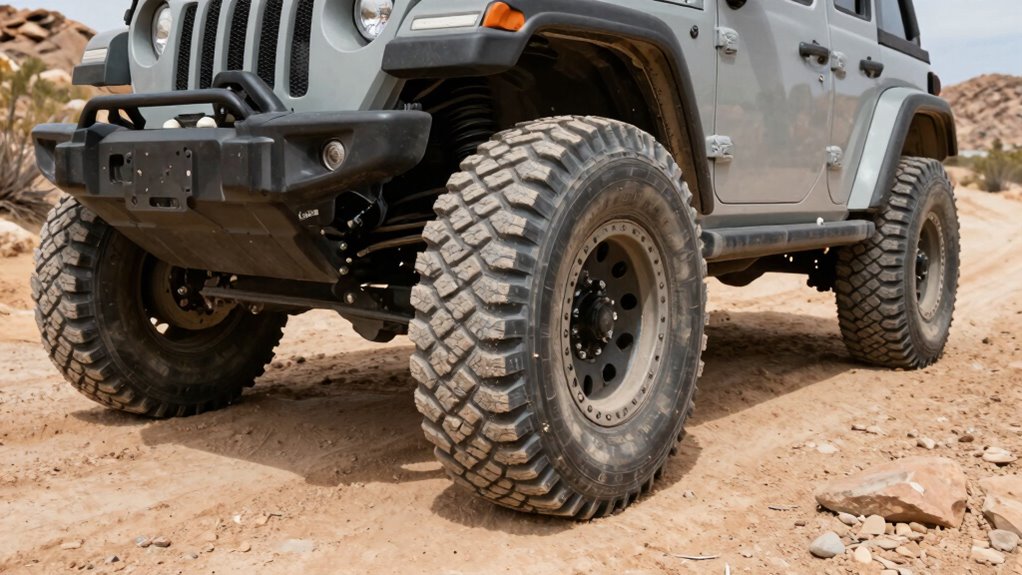
To air down effectively, adjust your tire pressure based on terrain. For sand and soft soil, lower your PSI to around 12-15, sometimes even less with beadlocks. Muddy trails need about 8-20 PSI for grip, while rocky terrain calls for 6-15 PSI to maximize contact and control. On gravel roads, aim for 20-36 PSI, and for on-road driving, 30-35 PSI keeps your ride smooth and efficient. Keep your pressure in check for safety, performance, and longer tire life—more tips await if you keep exploring.
Key Takeaways
- Adjust tire pressure based on terrain: lower for sand, mud, and rocky trails, higher for gravel roads and on-road driving.
- For soft soil and sand, aim for 12-15 PSI; mud typically requires 15-20 PSI.
- Use 6-10 PSI for beadlock tires on soft terrains; 10-15 PSI for non-beadlock tires on rocky trails.
- On gravel and paved roads, maintain 25-36 PSI depending on surface hardness and conditions.
- Regularly monitor tire performance and adjust pressure gradually to optimize traction and prevent damage.

GUTA Trailer Tire Pressure Monitoring System, RV TPMS with 10 Sensors, 6 Alert Modes, Signal Booster, Power Saving Display, Long Sensing Distance, for 3 Trailers (T1/T2/T3), for Camper, Motor Homes
[Real Time Monitoring & High Fuel Economy]: GUTA TPMS has a large screen for displaying up to 10...
As an affiliate, we earn on qualifying purchases.
Mastering Tire Pressure for Sand and Soft Soil
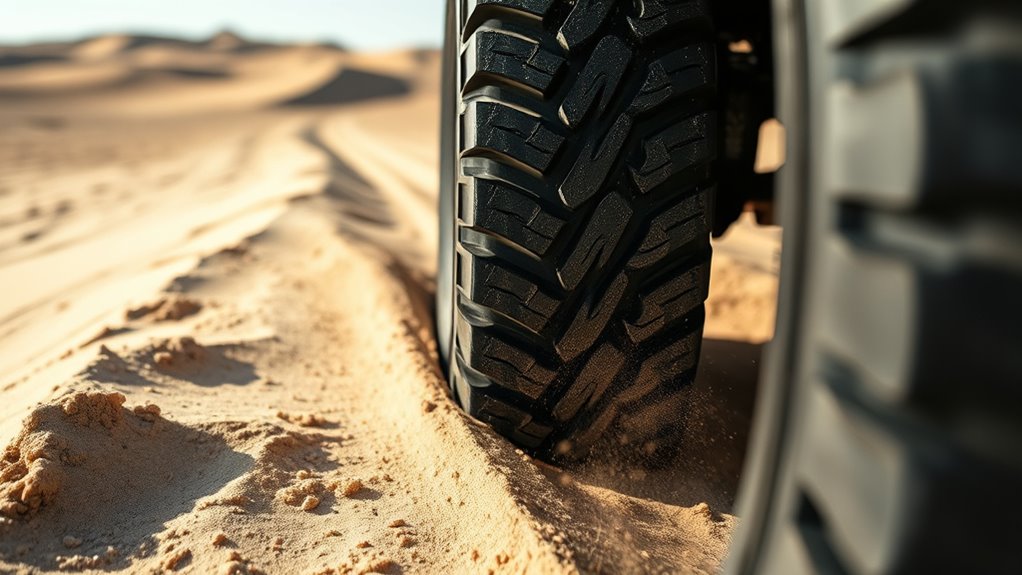
When driving on sand or soft soil, adjusting your tire pressure is key to maximizing flotation and preventing sinking. Lowering your PSI helps spread the vehicle’s weight over a larger surface area, reducing ground pressure. For sand, aim for 12-15 PSI with non-beadlock tires, or 18-26 PSI on soft soil for better floatation. Beadlock tires can handle even lower pressures, around 6-10 PSI, to maximize contact. Start by reducing your pressure gradually, monitoring how the tires perform. Too low, and you risk tire bead disengagement or rim damage; too high, and you’ll sink or get stuck. Properly deflated tires give you increased stability and floatation, making it easier to traverse challenging sandy or soft terrain. Adjusting tire pressure correctly is essential for safe and effective off-road driving in these conditions. Additionally, understanding the specific terrain type can help you fine-tune your tire pressure guidelines for optimal performance and safety, especially considering how terrain influences ground contact area and traction. Developing a good understanding of vehicle weight distribution can further improve your ability to adjust pressure appropriately for different terrains. Recognizing the importance of craftsmanship in high-end tire manufacturing can also influence your choice of durable and reliable tires for different terrains.

Tymate TM8 Tire Pressure Monitoring System, Wireless Solar TPMS with 4 External Sensors & 6 Alarm Modes, Colorful Display, Easy to Intall on Windshield, Ideal for RV Sedan SUV MPV Truck (0-87 PSI)
[Real-Time Monitoring & Multi-Alert System for Enhanced Tire Safety]: The Tymate TM8 TPMS provides accurate real-time monitoring of...
As an affiliate, we earn on qualifying purchases.
Optimizing Traction on Muddy Trails

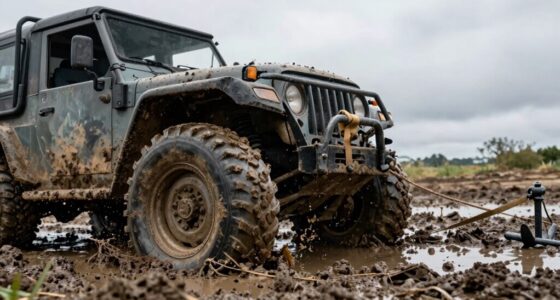
To improve traction on muddy trails, adjusting your tire pressure plays a vital role. Lowering your PSI helps tires conform to uneven surfaces, increasing grip and preventing your vehicle from slipping. For muddy terrain, aim for 15-20 PSI if you’re using non-beadlock tires, which strikes a balance between flotation and control. If you have beadlock tires, reducing pressure to 8-12 PSI maximizes contact with the mud, offering better traction. Be cautious not to go too low, as excessively soft tires can cause sidewall damage or bead unseating. Keep an eye on how your tires feel and perform as you navigate the mud. Adjust your PSI accordingly, ensuring you maintain enough sidewall support while maximizing grip for better control and safer passage through muddy trails. For optimal performance, consider pool features & accessories that can assist with vehicle recovery in challenging terrains. Additionally, understanding tire pressure guidelines can help you make informed adjustments for various terrains and conditions. Proper air pressure management is essential to prevent tire damage and ensure optimal traction, especially when considering tire technology that influences performance in off-road environments. Being aware of terrain-specific adjustments can further improve your off-road experience.

Tymate TM7 Tire Pressure Monitoring System, Wireless TPMS with 4 External Sensors & 6 Alarm Modes, Colorful Display, Real-time Tire Pressure Monitor System, Ideal for RV SUV MPV Truck Sedan(0-144 PSI)
[Accurate Real-time Monitoring & Multi-Alert System]: Tymate TM7 tpms sensor can be used to monitor your tires’ pressure...
As an affiliate, we earn on qualifying purchases.
Navigating Rocky Terrain With the Right PSI
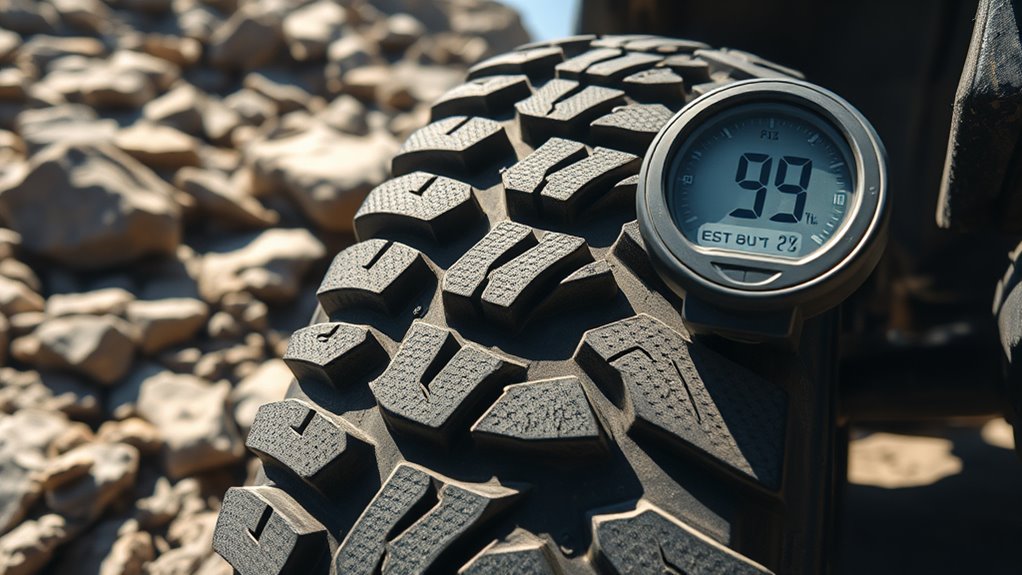
Finding your way through rocky terrain demands precise tire pressure adjustments to maximize traction and protect your tires. Lowering PSI to around 12-15 for non-beadlock tires helps tires flex and grip uneven surfaces. This increased contact patch improves stability on boulders and loose rocks. For softer rocky trails, dropping PSI to 10-12 enhances tire conformity, absorbing impacts and reducing sidewall stress. Beadlock tires perform best at 6-8 PSI, providing maximum contact and preventing slipping. However, avoid going too low, as underinflation can cause tire damage or bead separation. Regularly monitoring and maintaining proper tire pressure is essential for safety and performance. Understanding crucial tire adjustments can help you adapt to changing trail conditions effectively. Proper PSI ensures better control and tire longevity while conquering rugged rocky paths, and keeping track of yarn for scarves can help with gear organization if you’re planning long outdoor adventures. Additionally, understanding the importance of correct tire pressure can greatly influence your vehicle’s handling and fuel efficiency. Moreover, adjusting tire pressure appropriately plays a vital role in preventing tire blowouts on rough terrains.

Masoll Tire Pressure Monitoring System, RV/Trailler TPMS with Solar Charging & Auto Calibration, M13 LCD Display tpms 4 sensors (0-87PSI)
【Wide Application】The Masoll M13 Tyre Pressure Monitoring System commonly used on the vehicles with 4 tires include but...
As an affiliate, we earn on qualifying purchases.
Smoothing Out Gravel Roads and Tracks
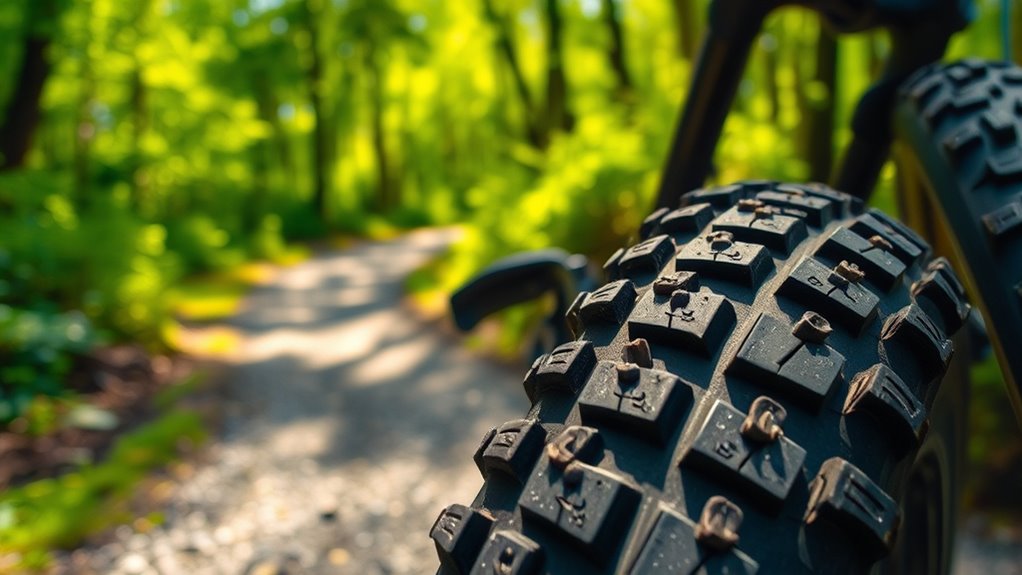
Smoothening out gravel roads and tracks hinges on setting the right tire pressure to improve stability and comfort. For hard-packed gravel, maintaining 25-28 PSI keeps your vehicle stable and reduces vibrations. If the gravel is rougher or loose, increasing PSI to 28-36 helps maintain control and prevents tire slippage. On smoother gravel roads, 32-36 PSI provides a firm, stable ride. For loose gravel tracks, lower PSI around 20-25 PSI softens the ride and enhances traction. This allows your tires to conform better to uneven surfaces, reducing bounce and improving grip. Adjusting tire pressure based on the terrain guarantees a smoother experience, minimizes tire wear, and boosts confidence when steering through gravel terrain. Proper tire pressure maintenance ensures optimal traction and safety across diverse gravel surfaces, especially when considering terrain-specific tire adjustments. Additionally, regularly checking and adjusting your tire pressure helps prevent premature tire damage and ensures consistent performance, which is crucial for vehicle safety on challenging gravel routes. Maintaining the correct tire pressure can also extend the lifespan of your tires and improve overall riding efficiency.
Adjusting for On-Road and Highway Efficiency
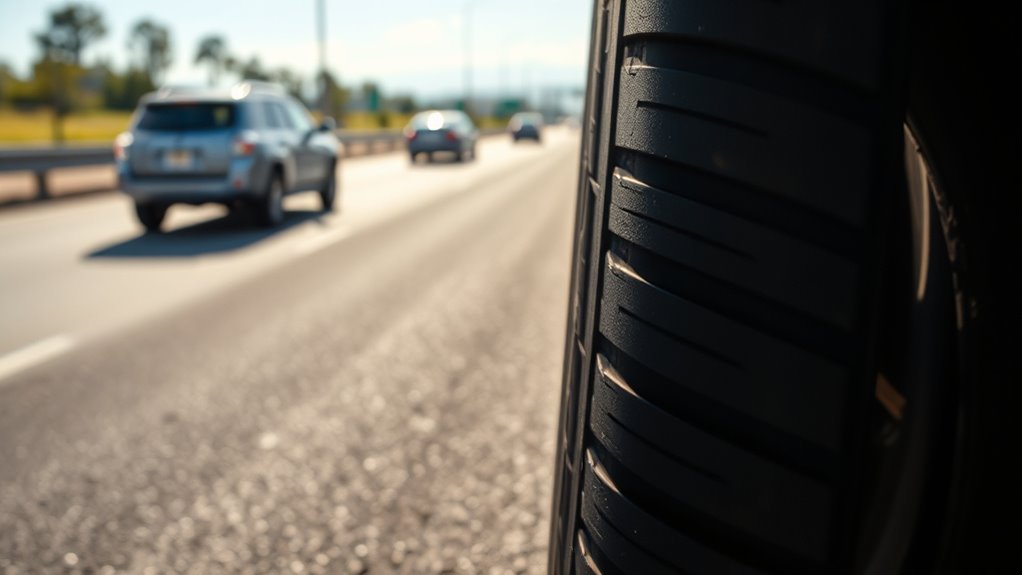
When driving on on-road or highway surfaces, adjusting your tire pressure to the recommended levels enhances fuel efficiency and minimizes tire wear. For sealed roads and highways, inflate your tires to 30-35 PSI, or follow your vehicle’s placard. Higher pressures reduce rolling resistance, helping you conserve fuel and prevent heat buildup. This also promotes even tire wear and improves handling. Avoid under-inflating, which can cause excessive heat and uneven tread wear, or over-inflating, which may lead to a harsher ride and reduced traction. Regularly check your tire pressure, especially after off-road adventures, to ensure it stays within the ideal range. Proper inflation keeps your tires performing efficiently, saving you money and improving your driving experience on paved surfaces. Additionally, safety considerations in maintaining correct tire pressure are crucial to prevent blowouts and ensure optimal control. Being aware of tire pressure monitoring systems can help you maintain optimal inflation levels effortlessly. Keep in mind that improper tire pressure can also affect your vehicle’s overall fuel economy, so maintaining proper inflation is essential for cost-effective driving.
Frequently Asked Questions
How Often Should I Check and Adjust Tire Pressure During Off-Road Trips?
You should check and adjust your tire pressure at least once every hour during off-road trips, especially if terrain varies. Keep an eye on your tires for any signs of deflation or damage, and use a reliable gauge to maintain the recommended PSI for each terrain type. Regular checks help prevent flats, improve traction, and guarantee safety, so don’t skip this vital step for a smooth, confident ride.
Can Over-Inflating Tires Damage Them on Rough Terrains?
Imagine your tires as delicate shoes on a rocky trail—over-inflate, and they become stiff, risking blowouts or sidewall damage. When you over-inflate on rough terrain, you reduce cushioning, making impacts harsher and increasing the chance of punctures. Keep your tires properly inflated to absorb shocks and protect their structure. Regularly check your pressure, especially after bumps, to prevent damage and keep your ride smooth and safe.
What’s the Best Way to Measure Tire Pressure Accurately on the Trail?
To measure tire pressure accurately on the trail, always carry a reliable digital or dial gauge. Before you start, make sure the gauge is calibrated properly. Remove the valve cap, press the gauge firmly onto the valve stem, and get a steady reading. Check multiple tires for consistency, and adjust the pressure as needed. Doing this keeps your tires properly inflated, improves traction, and prevents damage.
How Does Temperature Affect Tire Pressure Adjustments for Different Terrains?
Temperature considerably impacts your tire pressure; as it drops, pressure decreases, and as it rises, pressure increases. When adjusting for different terrains, you should check your tires in the morning or after a break to account for temperature changes. If you’re in cold conditions, add a few PSI to compensate for the drop, and release some air in hot weather to prevent overinflation. Always recheck pressure after temperature shifts.
Are There Specific Tire Pressure Recommendations for Different Vehicle Types?
Sure, because every vehicle magically needs the same tire pressure, right? In reality, you should tailor your psi to your vehicle type—whether it’s a small SUV, a heavy-duty truck, or a lightweight ATV. Heavier vehicles often require higher pressures to support weight, while lighter ones benefit from lower psi for better grip. Always check your manufacturer’s recommendations to guarantee peak performance and safety across different terrains.
Conclusion
Think of your tires as the soles of your adventure shoes—adjust them like a seasoned hiker, tailoring your grip to the terrain. Just as a climber loosens or tightens their laces for stability, lowering or raising your tire pressure guarantees a smoother ride through sand, mud, or rocky paths. When you master this balance, you navigate with confidence, turning every trip into a journey where your vehicle becomes an extension of your own skillful hands.