
Stop neglecting proper surface preparation, equipment maintenance, and safety protocols during tire repairs. Failing to clean surfaces thoroughly or rushing repairs causes poor adhesion and short-lasting results. Using worn tools or ignoring safety guidelines increases the risk of accidents and subpar fixes. Consistent inspections and correct procedures are key for durable, safe repairs. Keep these mistakes in mind, and you’ll avoid costly failures—there’s more to discover that can help you improve every step of your repair process.

Get business pricing on garage and car supplies
- Business-only prices and quantity discounts
- Tax-exempt purchasing
- Multiple users, one account, clear invoices
Key Takeaways
- Stop neglecting proper surface cleaning before sealing or patching tires.
- Avoid using worn, damaged, or uncalibrated tools that compromise repair quality.
- Never skip safety protocols or avoid personal protective equipment during repairs.
- Refrain from rushing repairs without ensuring a clean, smooth surface for adhesion.
- Do not overlook regular equipment and surface maintenance to ensure long-lasting, effective repairs.
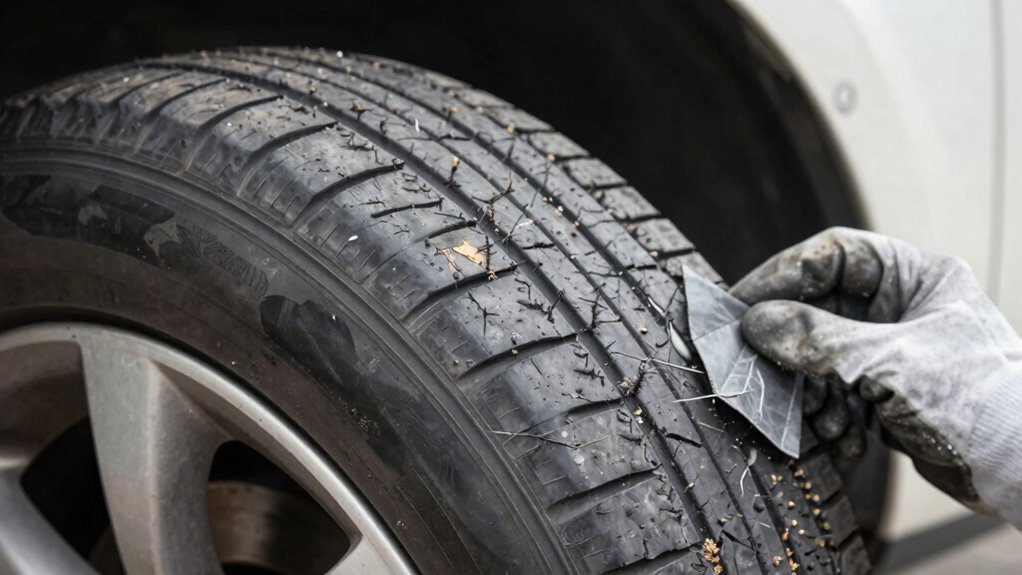
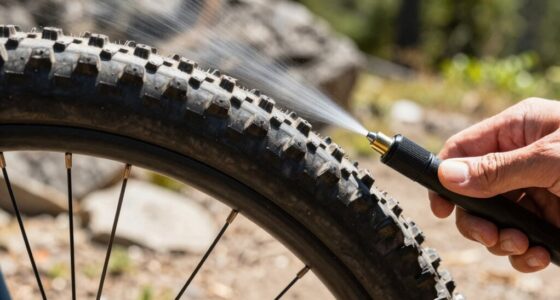
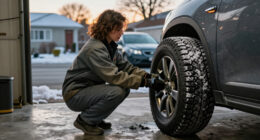
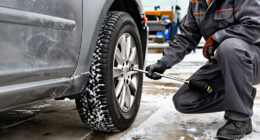
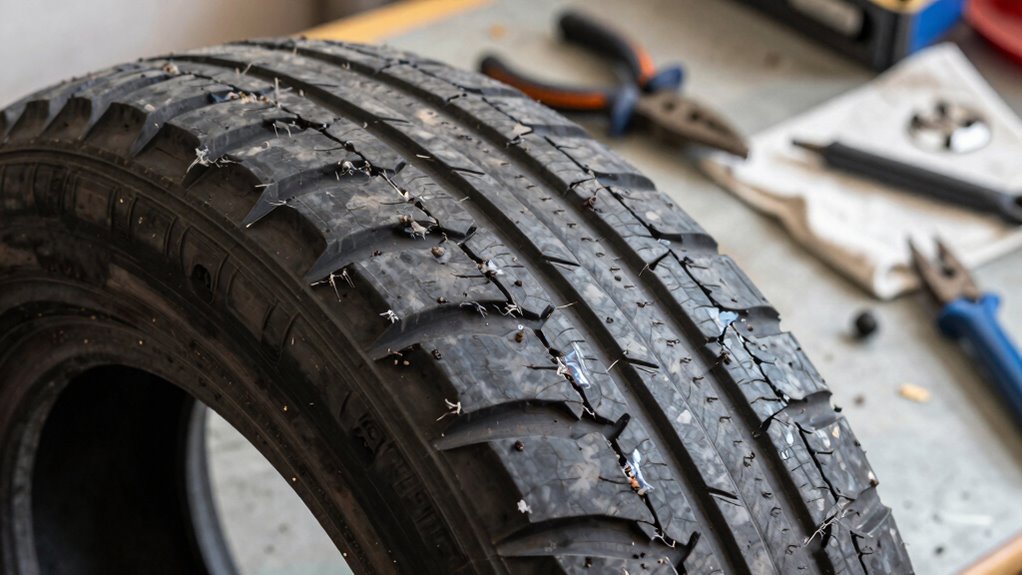
Many tire repair failures stem from a common mistake that technicians often overlook: neglecting proper surface preparation before sealing or patching. When you rush into the repair process without guaranteeing the tire’s surface is clean, smooth, and free of debris, you’re setting yourself up for failure. Dirt, grease, or remnants of old patches can prevent the sealant from adhering properly, leading to leaks or complete repair failure. Taking the time to thoroughly clean the damaged area with appropriate tools and cleaning agents is essential. Proper surface preparation is the foundation of a durable, long-lasting repair, and neglecting it is a mistake that can compromise safety and customer satisfaction. Additionally, understanding the importance of equipment maintenance ensures tools remain effective and reliable. Safety protocols are just as vital as technical procedures when performing tire repairs. You need to follow established safety guidelines to protect yourself and your customers. Always wear appropriate personal protective equipment, such as gloves and eye protection, to shield against potential injuries from high-pressure air or debris. Additionally, guarantee the tire is securely mounted and stabilized before starting repairs. Improper handling or rushed procedures can lead to accidents, which could have serious consequences. Incorporating safety protocols into your routine not only minimizes risks but also fosters a professional environment where quality work is prioritized. Regularly inspecting your tools and machinery and keeping them in optimal condition is critical for maintaining repair quality. Well-maintained tools and machinery contribute to efficient, safe, and precise repairs. Regularly inspect your inflation pumps, patching tools, and cleaning devices to ensure they’re functioning correctly. Worn or damaged equipment can compromise the integrity of your work, leading to inconsistent repairs or accidents. Clean and calibrate your tools routinely, and replace worn parts promptly. When your equipment is in top condition, you reduce the chance of mistakes that stem from malfunctioning tools, ultimately improving the quality of your repairs. Remember, surface cleaning is a crucial step that often gets overlooked but significantly impacts repair success. Paying attention to surface preparation not only helps in achieving a proper seal but also extends the lifespan of the repair. Properly maintaining your tools also ensures consistent performance and reduces downtime.
tire repair surface cleaning tools
As an affiliate, we earn on qualifying purchases.
As an affiliate, we earn on qualifying purchases.
Frequently Asked Questions
What Are the Most Overlooked Safety Precautions During Tire Repair?
You often overlook safety protocols like securing the vehicle and wearing protective gear, which are vital during tire repair. You might forget to set the parking brake or use wheel chocks, risking movement. Always wear gloves, eye protection, and sturdy clothing to prevent injuries from debris or sudden tire bursts. Prioritizing these safety precautions keeps you safe and guarantees a smooth, injury-free repair process.
How Do I Identify a Failed Patch or Plug?
You can identify a failed patch or plug by inspecting the repaired area for bubbles, cracks, or peeling. During tire patching, guarantee the patch is flush and well-adhered; any lifting indicates poor repair. To assess repair longevity, check for consistent pressure retention and look for signs of air leakage. A failed patch often shows signs of detachment or air loss, compromising safety and making repair ineffective.
What Tools Are Essential for Professional Tire Repairs?
You need essential tools like a tire bead sealer, plug insertion tools, and a tread depth gauge for professional repairs. Remember, Tire repair myths often lead to common repair mistakes, like using the wrong tools or rushing the process. By using proper equipment and avoiding shortcuts, you guarantee a safe, durable fix. Always double-check your tools and techniques to prevent failures and provide quality service.
How Often Should Tires Be Inspected for Damage?
Did you know that the average driver should inspect their tires every 4,000 to 8,000 miles? You should regularly check your tires for damage, especially during routine maintenance like tire rotation and alignment check. These inspections help identify issues early, preventing costly repairs and unsafe driving conditions. Make a habit of visually inspecting for cuts, bulges, or punctures, and don’t forget to check tread depth for maximum safety.
Are There Specific Tire Brands More Prone to Repair Failures?
Some tire brands are more prone to repair failures due to lower brand durability and inconsistent manufacturing standards. You’ll notice that certain budget brands tend to have lower repair success rates because their materials may not withstand repairs as well. To minimize issues, choose reputable brands known for higher durability, and always inspect tires thoroughly before repairing. This approach helps guarantee you’re less likely to face unexpected failures later.
tire patch kit with proper tools
As an affiliate, we earn on qualifying purchases.
As an affiliate, we earn on qualifying purchases.
Conclusion
Avoid repeating common mistakes in tire repair like a leaky faucet that never stops dripping. Staying vigilant and learning from these errors keeps your work smooth and reliable. Think of it as fixing a watch—each tiny part matters, and missing one causes the whole thing to fall apart. By recognizing and stopping these failures, you’ll keep your skills sharp and your repairs lasting, like a well-oiled machine that runs seamlessly day after day.
personal protective equipment for tire repair
As an affiliate, we earn on qualifying purchases.
As an affiliate, we earn on qualifying purchases.
tire repair equipment maintenance tools
As an affiliate, we earn on qualifying purchases.
As an affiliate, we earn on qualifying purchases.
Halloween Picks
halloween
As an affiliate, we earn on qualifying purchases.