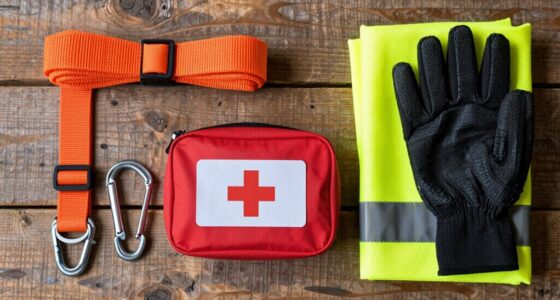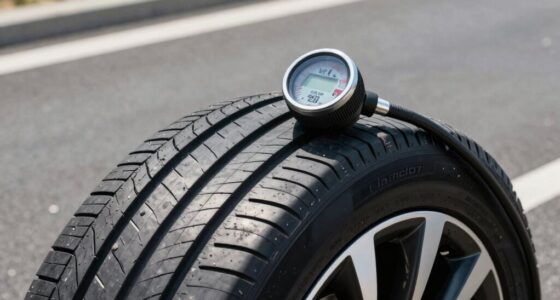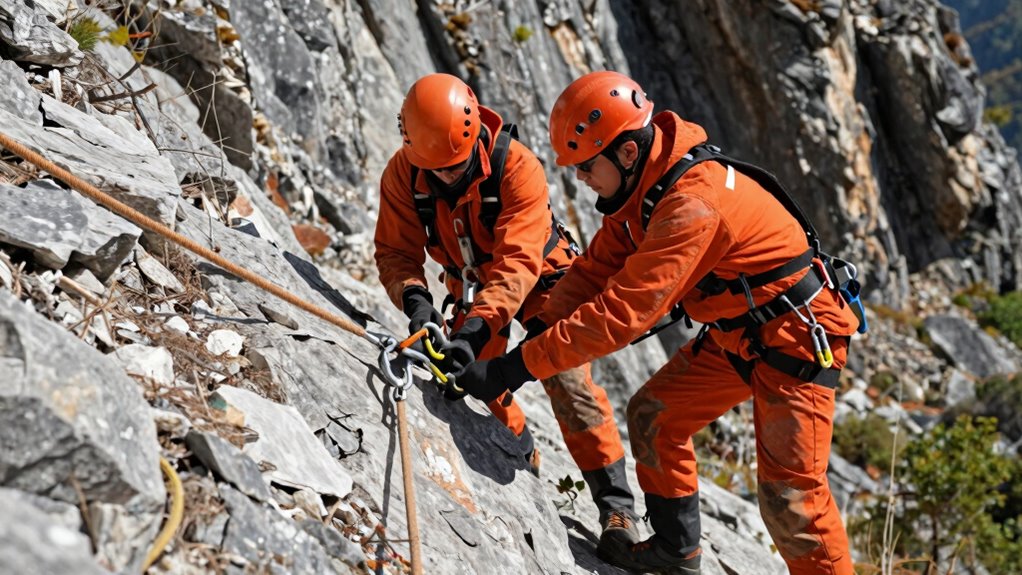

To guarantee recovery gear is safe for real-world use, you should conduct rigorous testing that mimics actual rescue conditions. Inspect your gear thoroughly for wear, fraying, or corrosion, and test its load capacity regularly. Using your gear in simulated scenarios helps identify hidden weaknesses and confirms it performs under pressure. Keep up with regular maintenance and storage practices to extend its lifespan. Learn more about effective safety tests to boost confidence and rescue success.

Get business pricing on garage and car supplies
- Business-only prices and quantity discounts
- Tax-exempt purchasing
- Multiple users, one account, clear invoices
Key Takeaways
- Conduct simulated rescue scenarios to evaluate gear performance under realistic stress and environmental conditions.
- Inspect gear thoroughly after each use or training session for signs of wear, damage, or degradation.
- Regularly test load capacity to ensure gear can handle actual rescue weight and forces.
- Verify gear functionality during active use, checking for proper operation of knots, carabiners, and harnesses.
- Incorporate routine maintenance, cleaning, and storage practices to preserve gear reliability and safety.
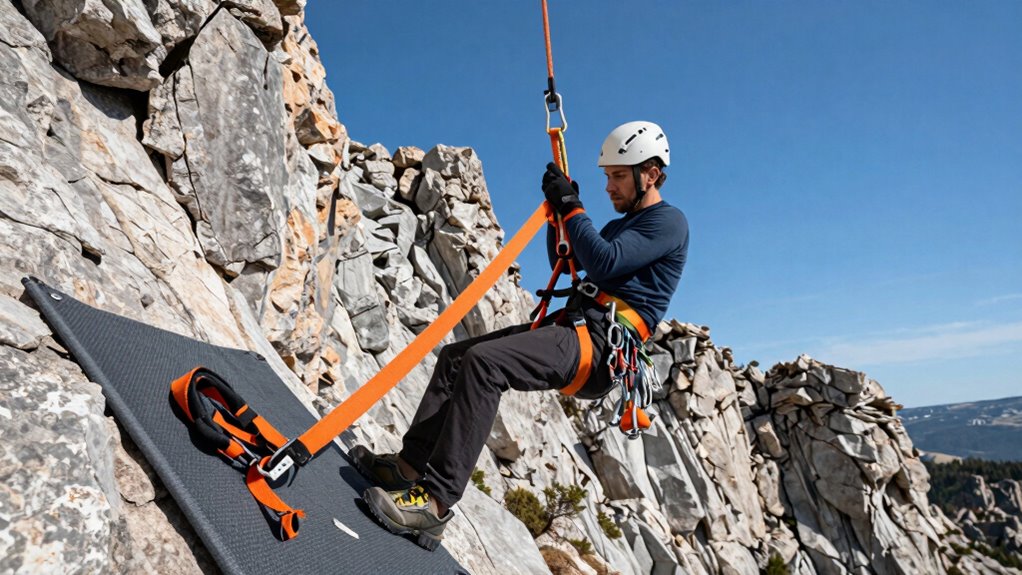
Before relying on recovery gear in critical situations, it’s essential to verify it’s safe and functioning properly. This means you need to perform thorough inspections and understand how your gear responds under real-world conditions. Rescue training plays a vital role here because it helps you recognize potential issues before they become emergencies. Practicing with your gear regularly ensures you’re familiar with its performance, and it highlights any weaknesses that might compromise safety. When you participate in rescue training exercises, you get the chance to simulate actual rescue scenarios, which can reveal problems you might not notice during routine gear maintenance. These drills also help you develop the skills needed to handle unexpected situations confidently, ensuring your gear performs reliably under stress. Embracing biodiversity and sustainable living principles can also promote a holistic approach to outdoor safety, emphasizing environmental stewardship alongside personal preparedness.
Regular rescue training and thorough gear inspections ensure safety and reliability in critical rescue situations.
Gear maintenance isn’t just about cleaning or storing your equipment; it’s about ensuring every component functions as intended. After each use or training session, inspect your recovery gear meticulously. Look for signs of wear, fraying, corrosion, or any damage that could impact its strength and reliability. Regularly testing your gear’s load capacity can further ensure that it remains safe for use in demanding situations. Incorporating proper storage techniques can also prevent deterioration caused by environmental factors. Additionally, understanding the materials used in recovery gear can help you make informed decisions about repairs or replacements. Proper gear maintenance extends the lifespan of your equipment and guarantees its integrity when you need it most. It’s also important to check the labels and manufacturers’ instructions regularly to follow recommended inspection intervals and procedures. Being aware of material properties can help you identify early signs of degradation that might otherwise go unnoticed.
In real-world scenarios, the effectiveness of your recovery gear depends on its ability to perform under pressure. That’s why incorporating rescue training into your routine isn’t optional—it’s essential. During these sessions, you’ll test your gear’s limits, ensuring it can withstand the forces involved in actual rescues. You’ll also learn how to spot issues like compromised knots, worn harnesses, or faulty carabiners, which might not be obvious during a casual visual check. By combining hands-on rescue training with diligent gear maintenance, you create a comprehensive safety net. This approach reduces the risk of gear failure during critical moments, giving you confidence that your equipment will support you when it truly matters.
Ultimately, a proactive attitude toward gear safety—rooted in regular rescue training and meticulous gear maintenance—can make the difference between a successful rescue and a dangerous failure. Always verify your gear’s condition before use, and never cut corners on inspections or practice. When you prioritize these steps, you’re better prepared to face emergencies head-on, knowing your recovery gear will perform as expected when it counts most.
rescue gear load capacity tester
As an affiliate, we earn on qualifying purchases.
As an affiliate, we earn on qualifying purchases.
Frequently Asked Questions
How Often Should Recovery Gear Be Inspected for Safety?
You should inspect your recovery gear at least once every three to six months, or more frequently if used often. Check for material durability issues like fraying, corrosion, or wear and tear. Also, consider storage conditions—keep gear in a cool, dry place away from sunlight and chemicals to prevent damage. Regular inspections guarantee your gear remains safe and reliable during emergencies, giving you peace of mind when you need it most.
What Are Common Signs of Gear Fatigue or Damage?
Ever wonder how you’ll know if your recovery gear is still reliable? Look for signs of material degradation, such as frayed edges, discoloration, or stiffness. Visible wear like cuts, abrasions, or broken stitching also indicates damage. These signs suggest the gear may no longer withstand the stresses of recovery efforts. Regular inspections help you catch these issues early, ensuring your safety during critical moments. Don’t ignore these warning signs—your safety depends on it.
Can Recovery Gear Be Repaired After a Failure?
Yes, recovery gear can often be repaired if it fails, but it depends on the gear material and the type of damage. Use appropriate repair techniques, such as replacing worn-out parts or sewing tears with strong, compatible materials. Always inspect the gear thoroughly after repairs and verify it meets safety standards before reuse. When in doubt, consult the manufacturer or a professional to guarantee the repair’s effectiveness and safety.
What Certifications Ensure Recovery Gear Meets Safety Standards?
Did you know over 90% of recovery gear products pass rigorous safety tests? Certification standards like CE, UIAA, and ANSI guarantee your gear meets strict safety compliance requirements. These certifications verify that gear has undergone thorough testing for strength, durability, and reliability. Choosing gear with recognized certifications gives you peace of mind, knowing it’s designed to perform safely under real-world conditions, helping prevent accidents and ensuring your safety during critical moments.
How Does Weather Impact Recovery Gear Performance?
Weather conditions considerably impact recovery gear performance by affecting gear durability and reliability. Extreme cold can weaken materials, making ropes brittle and harnesses less flexible, while excessive heat may cause wear and tear. Rain and moisture can lead to slipping or corrosion. You should regularly inspect your gear after exposure to harsh weather, ensuring it remains strong and safe to use. Proper maintenance helps you stay prepared for all weather scenarios.
As an affiliate, we earn on qualifying purchases.
Conclusion
Now that you’ve seen how vital real-world tests are, don’t underestimate the power of proper recovery gear. A single failure can turn your adventure into a nightmare faster than you can blink. Always prioritize safety, double-check your equipment, and trust only tested gear. Remember, the safety of your journey depends on it—your life could hinge on a tiny piece of gear. Gear up wisely and stay safe out there!
As an affiliate, we earn on qualifying purchases.
carabiner and knot testing tools
As an affiliate, we earn on qualifying purchases.
As an affiliate, we earn on qualifying purchases.
Columbus Day / Indigenous Peoples' Day Picks
long weekend sales
As an affiliate, we earn on qualifying purchases.