📊 Full opportunity report: Could Toyota, Nissan, And Honda Lower Expenses With Common Parts? on IdeaNavigator AI — validation score, market gap, and execution plan.

Get business pricing on garage and car supplies
- Business-only prices and quantity discounts
- Tax-exempt purchasing
- Multiple users, one account, clear invoices
TL;DR

A business-monitoring brief has flagged the idea that Toyota, Nissan and Honda could standardize parts to lower costs. The brief does not provide evidence that the automakers have agreed to do so, identify parts or models involved, or give a timeline, so the proposed cost savings remain unconfirmed.
A monitoring brief has flagged a possible effort by Toyota, Nissan and Honda to standardize some parts to reduce costs, but it does not establish that the automakers have agreed to a joint plan. The brief gives no details on which components, vehicles or markets might be affected, leaving the reported development unconfirmed and difficult for dealerships and repair shops to act on.
The item appears in an automotive retail signal-monitoring proposal from IdeaNavigator AI, which describes the Toyota-Nissan-Honda parts idea as an example of a development that an independent dealership or auto shop might want to catch early. It does not cite an announcement by any of the three companies, name a document or spokesperson, or provide supporting reporting. The material therefore supports saying the topic has been flagged for monitoring, not that a parts-sharing agreement has been reached.
The brief also offers no figures for projected savings, production volumes or implementation costs. It does not specify whether standardization would apply to shared components, replacement parts, vehicle platforms or manufacturing processes. Without those details, the expected effect on vehicle prices, repair bills, parts availability or dealer operations cannot be assessed.
Its main proposal is a role-filtered news monitor for independent dealership owners, sales leads and auto-shop operators. The suggested service would follow vehicle launches, recalls and regulation across feeds such as Hacker News and turn relevant items into short summaries of what changed, why it matters and what a business might do. The brief says the idea received an 88/100 signal on Hacker News, but gives no scoring method or comparison baseline; the figure is a raw rating, not evidence of industry interest or commercial demand.
Could automakers share parts? The savings remain unconfirmed
A monitoring brief flags possible parts standardization by Toyota, Nissan and Honda. It provides no evidence of an agreement, affected parts or projected savings.
What is known
The brief flags a topic to monitor; it does not confirm a deal.
- Toyota, Nissan and Honda may standardize some parts.
- Lower costs are the stated possibility.
- No company confirmation or named source.
- No parts, models, markets or timeline identified.
What businesses need to know
Any operational effect depends on details the brief does not provide.
Purchasing plans
There is no confirmed change to factor into inventory or forecasts.
Parts and service
Supply, compatibility and pricing would shape any effect on repairs.
Costs unknown
No savings estimate or effect on vehicle prices or repair bills is given.
The monitoring service is also untested
IdeaNavigator AI proposes a role-focused feed for independent dealerships and auto shops.
The proposal is to deliver this brief and two other automotive developments to five target users.
Measure whether recipients change a decision or forward a brief. No test results are reported.
Potential Effects on Repair and Sales
If the automakers eventually confirm a parts-standardization program, shared components could affect manufacturing costs and how parts are sourced. The practical results would depend on the components selected, the number of models covered and whether the change extends across regions. No savings estimate or operational effect is established in the monitoring brief.
For independent shops and dealerships, a confirmed change could matter to parts ordering, inventory planning, repair procedures and customer conversations. Common components might make some replacements easier to source, but that outcome cannot be assumed: suppliers, vehicle compatibility, service documentation and pricing would all shape the impact. Until the companies publish details, operators have no confirmed change to incorporate into forecasts or purchasing decisions.
The broader business angle in the brief is the speed and relevance of industry news. A recall, new vehicle launch or regulatory change can have direct consequences for a local business, while a general automotive headline may not. The proposal is that filtering updates for a specific role could help operators decide which developments merit attention. That is a product hypothesis, not a demonstrated benefit: no evidence is provided that the proposed monitor has changed a business decision or saved a user time.
Products Worth Considering

Autel MaxiCOM MK808S Bidirectional Automotive Diagnostic Scanner
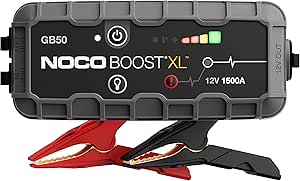
NOCO Boost GB50 1500A UltraSafe 12V Lithium Jump Starter

DEWALT 20V MAX XR Cordless 1/2-Inch Impact Wrench Kit (DCF900P1)
As an affiliate, we earn on qualifying purchases.
The Monitoring Proposal Behind the Claim
The material frames the parts-standardization headline as one example in a proposed automotive retail signal monitor, aimed at owners and sales leads at independent dealerships and auto shops. It describes a problem for those businesses: relevant developments are scattered among news sites, forums and filings, making it harder to identify which changes affect their work. The brief does not provide a separate report about the automakers or a timeline for the underlying development.
To test the business idea, the brief proposes hand-delivering summaries of this item and two other automotive developments to five people matching its target customer profile. It suggests measuring whether a recipient changes a decision or forwards a brief to a colleague. That is a proposed validation exercise, not a completed test: no participants, responses, subscriptions or results are reported.
Agreement and Component Details Unverified
The central uncertainty is whether Toyota, Nissan and Honda have actually agreed to standardize parts. The monitoring brief supplies no company statements, named sources, filing or other evidence that confirms a deal. It also does not say when the alleged development occurred or whether the three companies are discussing a proposal rather than implementing a plan.
Other unanswered questions include which parts or vehicle lines might be covered, whether standardization would apply across all three manufacturers, what markets would be involved and when changes could reach production. No cost target or consumer-price effect is given. The brief’s 88/100 score is not accompanied by its methodology, and its proposed five-person customer test has no reported outcome. These gaps mean both the automotive claim and the proposed monitoring product’s business case remain unverified.
Await Company Confirmation and Details
The next reporting step is to seek confirmation from Toyota, Nissan and Honda and establish whether any formal agreement, discussion or production plan exists. Any follow-up should identify the parts and models involved, the geographic scope, the schedule and how the companies calculate anticipated savings. Until such details are available, the idea should be treated as an unconfirmed development rather than a change to current parts or service operations.
Separately, IdeaNavigator AI’s proposed next step is to test its monitor with five independent dealership or auto-shop decision-makers by sharing this brief and two other automotive updates. The proposal calls for tracking whether recipients change a decision or pass the information to a colleague. No test results or launch plans are included, so it remains unclear whether the service will proceed or attract paying customers.
Source: IdeaNavigator AI
Key Questions
Have Toyota, Nissan and Honda confirmed a parts-standardization agreement?
No confirmation is provided in the monitoring brief. It does not cite statements from the automakers or describe a signed agreement.
Which parts would the automakers standardize?
The brief does not identify any parts, vehicle models or production processes. The scope of the reported idea is unknown.
Would shared parts lower repair costs for customers?
That cannot be determined from the available details. No savings estimate or effect on repair pricing is given, and any result would depend on parts selection, supply and pricing decisions.
What is the automotive signal monitor?
It is a proposed service for independent dealerships and auto shops that would filter vehicle launches, recalls and regulatory updates and summarize their possible business relevance. The brief describes a proposed test, not a launched service with reported customers.
Source: IdeaNavigator AI