
TL;DR

Get business pricing on garage and car supplies
- Business-only prices and quantity discounts
- Tax-exempt purchasing
- Multiple users, one account, clear invoices
Leno’s Law has been approved by legislative authorities, providing new legal protections and regulations for classic car owners. This development could significantly affect ownership, restoration, and registration processes.
The legislative bill known as ‘Leno’s Law’ has officially been approved, granting new legal protections and simplified regulations for classic car owners. This development is expected to impact registration, restoration, and ownership rights, making it a significant milestone for automotive enthusiasts and the industry alike.
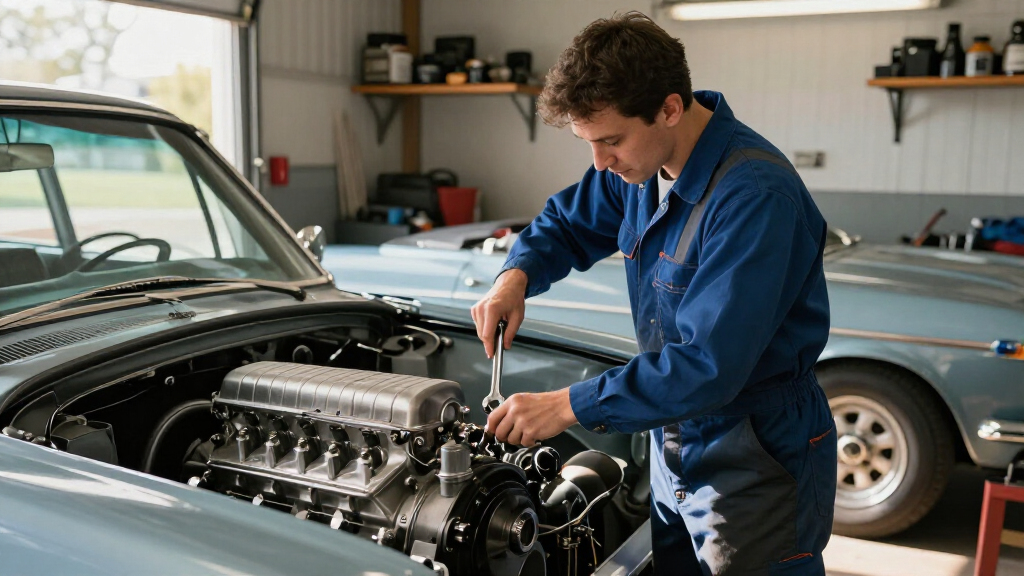
‘Leno’s Law’ was passed during the recent legislative session after months of advocacy by car collector groups and automotive historians. The law aims to provide legal clarity around the ownership and modification of classic vehicles, defined as cars over 25 years old. According to official sources, it reduces bureaucratic hurdles related to registration and emphasizes the preservation of vintage vehicles.
While the law’s passage is confirmed, details about its specific provisions vary by state, as automotive regulation remains a state-level issue. The law also introduces protections against certain restrictions that previously limited modifications, such as engine swaps or body alterations, for vehicles classified as classics. The legislation is expected to take effect within the next 60 days.
Automotive advocacy groups have called the law a win for collectors and restorers, highlighting that it could lead to increased preservation efforts and potentially boost the classic car market. However, some legal experts caution that enforcement and interpretation may vary, and certain restrictions may still apply depending on local jurisdictions.
Legal and Market Implications for Classic Car Owners
The passage of ‘Leno’s Law’ marks a pivotal change in the legal landscape for classic car owners, offering greater protections and fewer bureaucratic barriers. This could lead to an increase in vehicle preservation, restoration projects, and market value. It also signals a shift toward recognizing the cultural and historical importance of vintage vehicles, potentially influencing future legislation at the state and federal levels. However, the law’s impact will depend on how individual jurisdictions implement and enforce its provisions, and some restrictions may persist. Overall, the law is seen as a positive step toward supporting automotive heritage but leaves some questions about specific regulatory changes still unanswered.As an affiliate, we earn on qualifying purchases.
Background and Legislative Journey of ‘Leno’s Law’
The concept of ‘Leno’s Law’ originated from advocacy efforts by classic car enthusiasts and preservation groups, aiming to simplify ownership and modification regulations. The bill gained traction after high-profile campaigns and testimonies from industry figures, including well-known collectors. Its name pays homage to a prominent figure in automotive circles, though the specifics of the legislation are not officially linked to any individual.
Prior to its passage, owners faced complex, often inconsistent regulations across states, with restrictions on engine modifications, emissions, and registration processes that could hinder restoration efforts and ownership rights. Interest in the law surged recently amid rising values in the classic car market and increased public awareness of vintage vehicle preservation.
The legislative process involved multiple committees, public hearings, and amendments, with support from both automotive groups and some lawmakers advocating for cultural preservation. Its passage reflects a broader trend toward recognizing the importance of automotive heritage and easing regulatory burdens on enthusiasts.
As an affiliate, we earn on qualifying purchases.
Remaining Questions About Enforcement and State Variations
It is not yet clear how individual states will implement ‘Leno’s Law’ or how enforcement will be handled. Some jurisdictions may adopt stricter interpretations, and the specifics of certain protections remain to be clarified through subsequent regulations or legal challenges. Additionally, the law’s impact on existing vehicles and ongoing restoration projects is still being assessed.As an affiliate, we earn on qualifying purchases.
Next Steps for Classic Car Owners and Regulators
Within the coming weeks, states are expected to publish detailed regulations and guidance on implementing ‘Leno’s Law.’ Owners should review local laws to understand new rights and restrictions. Advocacy groups plan to monitor enforcement and may push for further clarifications or amendments if needed. The law’s full impact on the market and preservation efforts will unfold over the next year, as legal and industry stakeholders evaluate its effectiveness.As an affiliate, we earn on qualifying purchases.
Key Questions
What exactly does ‘Leno’s Law’ change for classic car owners?
The law simplifies registration processes, clarifies ownership rights, and provides protections against certain restrictions on modifications like engine swaps or body alterations for vehicles over 25 years old.
Will ‘Leno’s Law’ apply in all states immediately?
No. The law has been passed at the federal level or in a specific state, but each state will need to implement its own regulations, which may vary in timing and scope.
Does this law affect ongoing restoration projects?
It could, especially if it eases restrictions on modifications and registration, but the specifics depend on local implementation and existing regulations.
Are there any restrictions still in place after the law’s passage?
Yes. Certain restrictions, especially related to emissions and safety standards, may still apply depending on jurisdiction. The law primarily addresses ownership rights and modification protections.
What should owners do now to prepare for the law’s implementation?
Owners should stay informed about their state’s regulations, consult local authorities, and consider legal advice if planning modifications or restorations to ensure compliance.
Source: rss
Columbus Day / Indigenous Peoples' Day Picks
long weekend sales
As an affiliate, we earn on qualifying purchases.