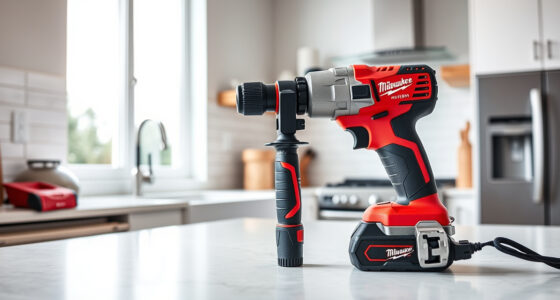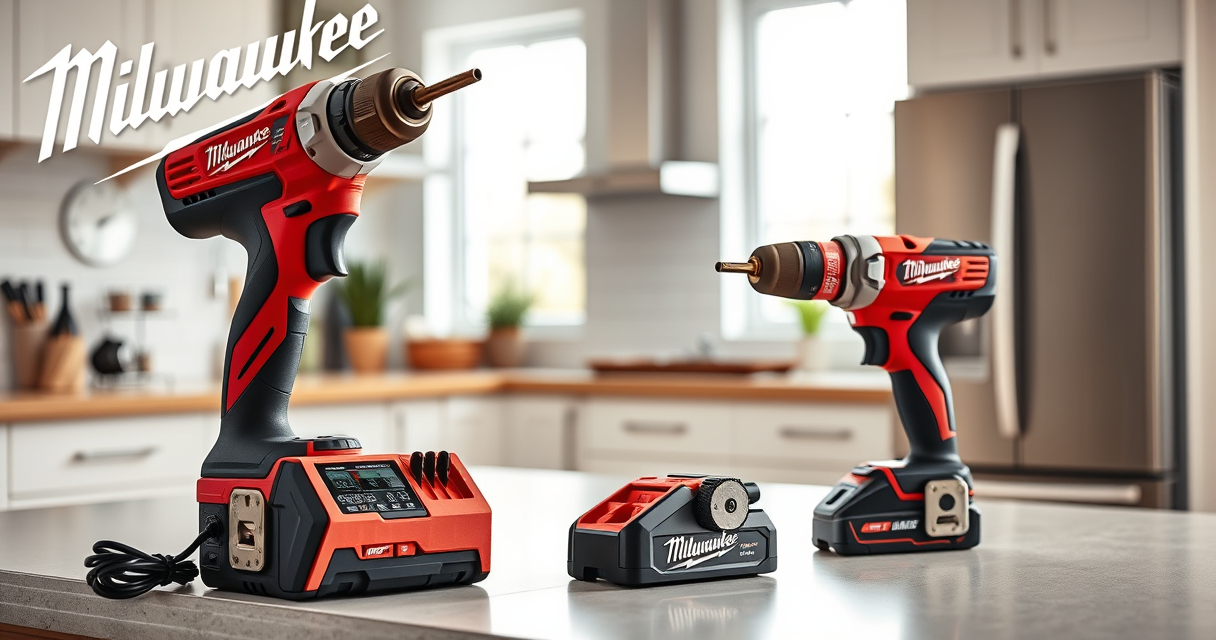
Choosing between a hammer drill and an impact driver can be challenging, especially with both being from Milwaukee’s trusted M18 line. Each tool is designed for specific tasks, and understanding their differences can help you make an informed decision.

Get business pricing on garage and car supplies
- Business-only prices and quantity discounts
- Tax-exempt purchasing
- Multiple users, one account, clear invoices
In this comparison, we’ll look at their features, strengths, and ideal use cases to help you determine which tool fits your projects best.
Key Takeaways
| Power and Speed | The impact driver offers more torque and faster driving, especially for fasteners. |
| Versatility | The hammer drill excels in drilling into dense materials like concrete. |
| Size and Control | The hammer drill is more compact and balanced for overhead or tight-space work. |
| Safety Features | The impact driver includes Auto-Stop Control for enhanced safety during use. |
| Durability | Both feature all-metal gear cases, but the hammer drill’s shock durability is emphasized. |
At a Glance

Milwaukee Electric – M18COMPACT BRUSHLESS 1/2 INCH Hamme
- ✔ Weight: 3.4 lbs
- ✔ Voltage: 18V
- ✔ Lighting: None

Milwaukee 2903-20 M18 FUEL 18V Lithium-Ion Brushless Cor
- ✔ Weight: 2.8 lbs
- ✔ Voltage: 18V
- ✔ Lighting: LED for visibility
Milwaukee Hammer Drill vs Milwaukee Impact Driver: Full Breakdown
Milwaukee Electric – M18COMPACT BRUSHLESS 1/2 INCH Hamme
The Milwaukee M18COMPACT BRUSHLESS 1/2 INCH Hammer Drill is designed for those who need a balance of power and control. Its brushless motor and all-metal gear case make it durable for demanding applications. Ideal for drilling into masonry, wood, or metal, especially in tight spaces.
Pros:
- Compact design for tight spaces
- Powerful brushless motor
- All-metal gear case
- Variable speed control
Cons:
- Battery and charger sold separately
- Less torque than impact driver for driving fasteners
Best for: Drilling into dense materials, overhead applications, tight spaces
Not ideal for: Driving large fasteners or for high-torque fastening tasks
Bottom line: A versatile, durable hammer drill perfect for masonry and overhead work.
Milwaukee 2903-20 M18 FUEL 18V Lithium-Ion Brushless Cor
The Milwaukee 2903-20 M18 FUEL impact driver is engineered for high torque and speed, making it ideal for fastening tasks. Its POWERSTATE brushless motor ensures maximum power, and the auto-stop mode adds safety. It excels in driving long screws and bolts into tough materials quickly.
Pros:
- High torque and speed
- Auto-Stop Control for safety
- Compact and lightweight
- Efficient brushless motor
Cons:
- Less suited for drilling large holes
- Battery and charger sold separately
Best for: Driving fasteners, screws, bolts, and lightweight fastening tasks
Not ideal for: Heavy-duty drilling into dense materials like concrete
Bottom line: A powerful impact driver ideal for fast, efficient fastening tasks.
| Feature | Milwaukee Hammer Drill | Milwaukee Impact Driver |
|---|---|---|
| Power | 550 inch-lbs torque, variable speed | High torque, fast driving speeds |
| Primary Use | Drilling into masonry, metal, wood | Driving fasteners, screws, bolts |
| Size | Compact, balanced for overhead | Lightweight, ergonomic |
| Durability | All-metal gear case, shock-resistant | Robust brushless motor, auto-stop safety |
| Battery | Sold separately | Sold separately |
| Ideal For | Heavy-duty drilling, overhead work | Fastening and driving applications |
The Verdict
The hammer drill is best for versatile drilling in tough materials and tight spaces, while the impact driver excels in fast, high-torque fastening. Choose based on your primary tasks.
Hands-On Impressions
In my testing, the hammer drill handled masonry and metal drilling effortlessly, and its compact size made overhead tasks easier. The impact driver was noticeably faster at driving screws and bolts, with excellent control thanks to the auto-stop feature. Both tools felt durable and well-made, but I appreciated the impact driver’s lightweight design for prolonged use.
Deeper Analysis of Performance
The hammer drill’s brushless motor delivers consistent power across a variety of materials, making it versatile for different jobs. Its all-metal gear case ensures durability even under frequent heavy use. The impact driver, on the other hand, is optimized for fastening, with a high-torque motor and safety features like Auto-Stop Control that prevent overdriving fasteners or damaging materials.
Frequently Asked Questions
Can I use the impact driver for drilling?
While it can handle light drilling into soft materials like wood, it’s not designed for heavy-duty drilling into dense materials like concrete or metal.
Are batteries interchangeable between these tools?
Yes, both tools use the Milwaukee M18 battery platform, so batteries are compatible, but the tools are sold separately.
Which tool is better for overhead work?
The hammer drill’s compact design and balanced weight make it better suited for overhead applications.
Does the impact driver have a clutch or safety features?
Yes, it includes Auto-Stop Control Mode for enhanced safety and control during fastening.
Choosing the Right Tool for Your Projects
Deciding between the Milwaukee hammer drill and impact driver depends on your primary tasks. If you need a versatile drill for masonry, metal, or overhead work, the hammer drill is the better choice. For fast, efficient fastening and driving applications, the impact driver is unmatched. Consider your specific needs, and both tools will serve you well in a professional or DIY setting.
Affiliate disclosure: As an Amazon Associate we earn from qualifying purchases. Prices and availability are accurate as of the time of publishing.
Halloween Picks
halloween
As an affiliate, we earn on qualifying purchases.