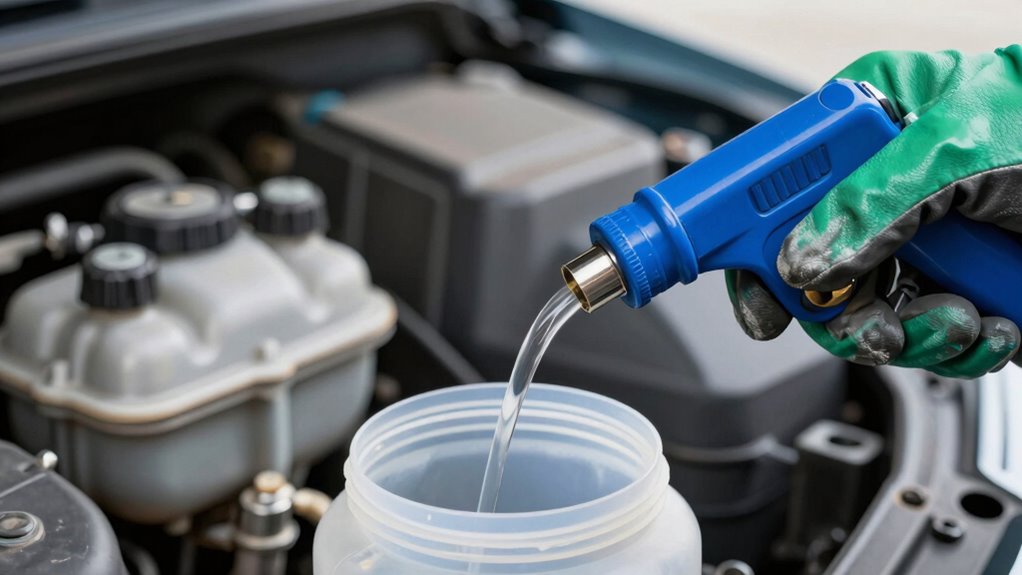
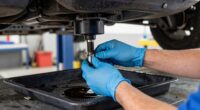
To change fluids without a mess, set up your extractor on a stable surface and pre-fill it to reduce air pockets. Secure all connections and use secondary containment like trays or absorbent pads under your equipment. Tilt reservoirs slowly during transfer, and keep caps tightly closed when moving. Wear proper PPE, monitor pressure, and install filters to catch debris. For more tips, you’ll discover how to prevent spills, maintain equipment, and handle emergencies effectively.
Key Takeaways
- Use secondary containment like trays or spill mats under the extractor to catch leaks and drips.
- Secure all fittings and connections tightly to prevent leaks during fluid transfer.
- Tilt reservoirs slowly and close caps immediately after extraction to control flow and avoid splashes.
- Install inline filters to catch debris and reduce the risk of leaks caused by blockages.
- Wear appropriate PPE and ensure proper grounding and bonding to prevent static buildup and spills.

FOUR UNCLES 200cc Fluid Extractor & Fill Pump for Automotive Use – Oil Syringe with a 23" Hose & Two 12" Extension Tubes for Easy Oil Change
LONGER TUBES: The fluid transfer pump includes two extension hoses that can be connected for a reach of…
As an affiliate, we earn on qualifying purchases.
As an affiliate, we earn on qualifying purchases.
Preparing Your Fluid Extractor for a Clean Operation

To guarantee a clean and efficient fluid extraction, start by placing your extractor on a stable, level surface to prevent tipping or spills during operation. Next, inspect hoses, valves, and seals for cracks or wear, replacing any damaged parts. Pre-fill the extractor with clean fluid to prime the pump and reduce air pockets, making certain smoother operation. Attach the extractor securely to the reservoir using quick-connect fittings to prevent leaks. Also, verify that the extractor’s capacity matches the fluid volume to avoid overfilling. These steps ensure your extractor functions properly and minimizes messes. Proper preparation helps you avoid spills and delays, making the fluid extraction process safer, cleaner, and more efficient from the start. Additionally, understanding your power needs can help you select the right equipment to support your maintenance tasks effectively, especially as modern smart appliances may require specific power configurations. Being aware of hydraulic principles can further optimize your setup by ensuring proper flow and pressure during extraction. Regularly checking for wear and tear on components can extend the lifespan of your extractor and prevent unexpected failures. Moreover, understanding the fluid properties involved can help you choose the best extraction method for different liquids, reducing potential hazards.

Modular 2 Drum Spill Pallet, 48x24x4 Inch, 2000 lbs Capacity, Heavy-Duty Forkliftable Containment Tray for Industrial Oil & Chemical
INDUSTRIAL-GRADE STRENGTH & CAPACITY: Engineered with high-density polyethylene, this heavy-duty spill containment tray reliably supports a static load…
As an affiliate, we earn on qualifying purchases.
As an affiliate, we earn on qualifying purchases.
Essential Spill Prevention Measures to Implement
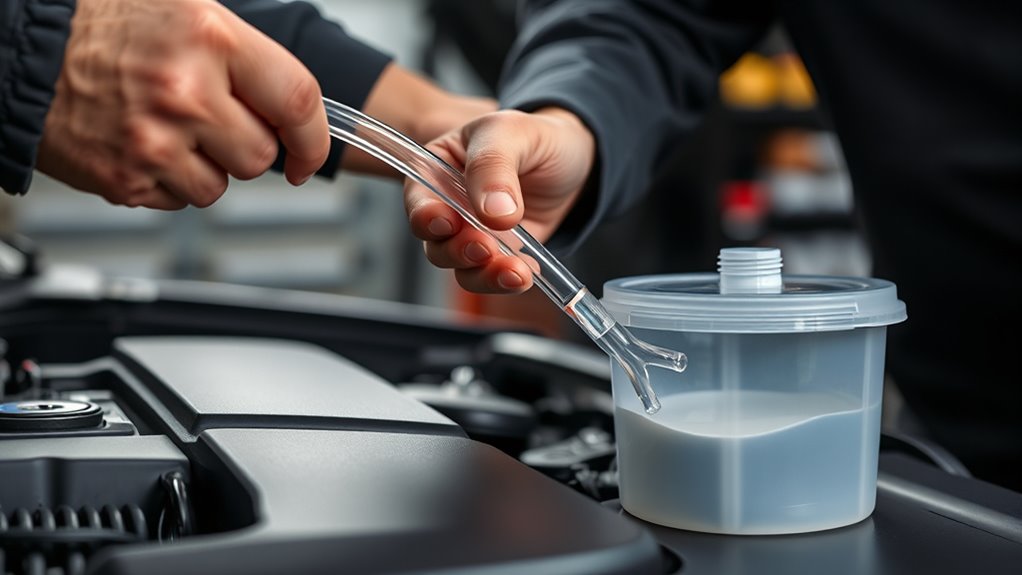
Implementing spill prevention starts with using secondary containment strategies like trays or absorbent pads to catch leaks. Make sure you’re using spill-resistant equipment, such as secure fittings and pressure indicators, to minimize accidental releases. Additionally, selecting equipment that is designed for free floating applications can help reduce the risk of spills and improve safety. Employing liquid containment solutions further minimizes environmental impact and cleanup efforts. Using properly rated spill-resistant containers is also essential to prevent accidental leaks during handling and transportation. Incorporating proper equipment selection ensures compatibility and reduces the likelihood of spills. By combining these measures, you create a safer work environment and reduce cleanup time.
Secondary Containment Strategies
Secondary containment strategies are essential for preventing spills from spreading and causing environmental or safety hazards. You should place spill containment trays or catch basins under your fluid extractor to capture drips and leaks. Using absorbent pads or spill mats around your work area adds an extra layer of protection. Verify all reservoirs are equipped with secure, tight-fitting caps to minimize accidental releases. When working near sensitive environments, position your extractor on a raised, non-porous surface to contain potential spills. Install barriers or berms around your setup if possible, to contain larger leaks. Regularly inspect containment devices for damage or wear, and keep spill kits nearby for quick response. Incorporating proper containment techniques can further enhance spill prevention and environmental safety. Ensuring your workspace adheres to spill prevention best practices helps reduce environmental impact and maintain safety standards. Additionally, documenting contingency plans ensures preparedness for any unexpected incidents. Incorporating environmentally responsible practices into your spill prevention measures can also contribute to long-term safety and compliance efforts. Utilizing local regulations and guidelines can help ensure your spill prevention measures meet legal requirements and industry standards.
Spill-Resistant Equipment Use
Are you using spill-resistant equipment to prevent leaks during fluid extraction? You should always choose equipment designed to contain spills effectively. For example, use secondary containment trays beneath your extractor to catch drips, ensuring no fluid escapes onto surfaces. Place absorbent pads or drip pans around the work area to quickly soak up accidental leaks. Always keep reservoir caps tightly closed after extracting fluid to prevent spills when moving or storing equipment. Additionally, tilt reservoirs slowly and carefully during fluid transfer to control flow and avoid sudden leaks. Using inline filters can also prevent debris buildup that might cause clogging or leaks. Incorporating nanotechnology-enhanced materials into fluid extraction equipment can further improve leak prevention and durability. Proper equipment maintenance is essential to sustain leak-proof performance over time. Regular inspections and timely replacements of worn parts help prevent equipment failure, which can lead to spills. Maintaining spill prevention measures is crucial for minimizing messes and creating a safer, cleaner work environment. Furthermore, selecting equipment with advanced sealing technologies can significantly reduce the risk of leaks during operation.
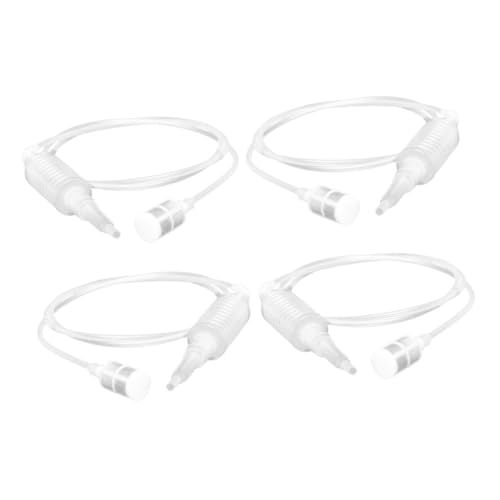
COOLHIYA 4pcs Blocking Filter for Garage Shop Fluid Extraction Tube Suction Pump Hand Pump Emergency Gas Transfer
Fuel pump–this siphon pump for not for use on salt water or copper chemicals,oil pump
As an affiliate, we earn on qualifying purchases.
As an affiliate, we earn on qualifying purchases.
Step-by-Step Guide to Efficient Fluid Extraction
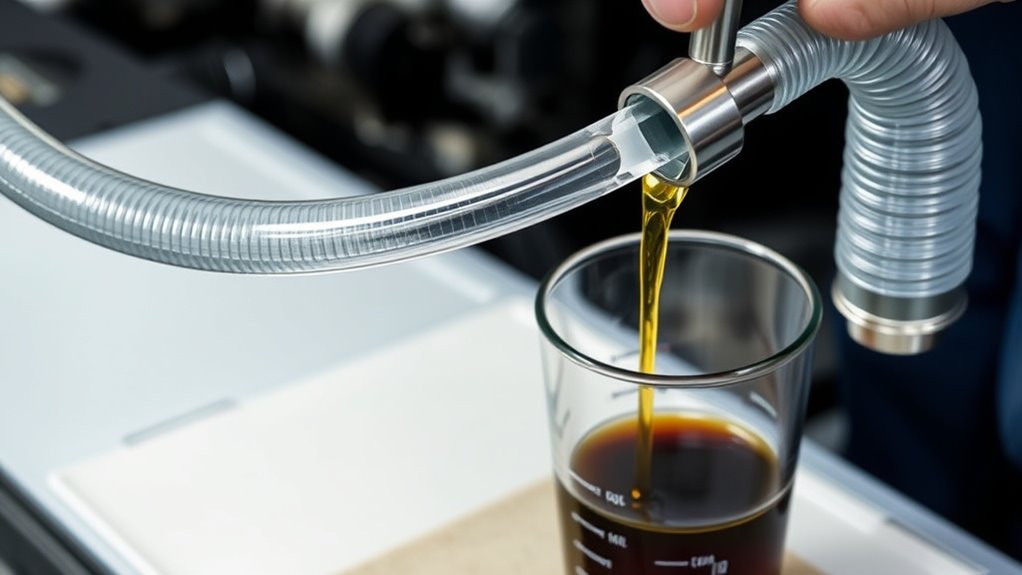
To extract fluid efficiently, start by preparing your equipment properly, ensuring hoses and seals are in good condition and the extractor is primed. Next, focus on minimizing spills by using secondary containment and controlling flow during transfer. Proper fluid management techniques make the process safer and more effective. Additionally, maintaining your equipment with regular cleaning and maintenance ensures optimal performance and reduces the risk of leaks. Regularly inspecting for contamination and wear can further enhance the longevity and safety of your extraction system. Ensuring proper airflow around the unit can also improve the extraction process and prevent overheating. Proper network hardware and connections can help prevent disruptions and maintain a steady workflow. Finally, follow safe extraction steps carefully to maintain smooth operation and prevent accidents.
Prepare Equipment Properly
Properly preparing your equipment is essential for a smooth and safe fluid extraction process. Before you start, guarantee your setup is stable and secure. Check hoses, valves, and seals for cracks or wear to prevent leaks. Pre-fill the extractor with clean fluid to prime the pump and reduce air pockets, which can cause interruptions. Attach the extractor tightly to the reservoir using quick-connect fittings to create a secure seal. Verify that the extractor’s capacity matches the fluid volume to avoid overfilling, which can lead to spills.
- Position the extractor on a stable, level surface
- Inspect hoses, valves, and seals for damage
- Pre-fill with clean fluid to prime the system
Minimize Spills Effectively
Effective spill prevention starts with careful planning and proper handling techniques. First, position your extractor on a stable, level surface to prevent tipping. Use secondary containment trays or absorbent pads around the work area to catch drips or leaks. Always close reservoir caps immediately after extraction to avoid accidental spills. When tilting reservoirs, do so slowly to control the flow and prevent splashes. Installing inline filters can catch debris that might cause leaks. During operation, monitor fluid flow closely and pause if you notice any irregularities. Keep spill kits nearby with absorbents and neutralizers ready for quick response. By taking these steps, you minimize spill risks, keeping your workspace clean, safe, and efficient.
Follow Safe Extraction Steps
Following safe extraction steps guarantees you remove fluids efficiently while minimizing risks. Begin by priming the pump with a few handle cycles to ensure smooth operation. Insert the probe fully into the reservoir’s bottom for complete fluid removal. Extract in short bursts, keeping an eye on the fluid clarity and volume to prevent overfilling. Pause periodically to shake the reservoir gently, suspending sediment for easier removal. Transfer the extracted fluid directly into sealed containers to avoid spills. Always double-check that hoses are securely connected and leak-free before starting. Use protective gear like gloves and safety glasses. Maintain constant awareness of the process, sticking to these steps to keep your extraction safe, clean, and efficient.
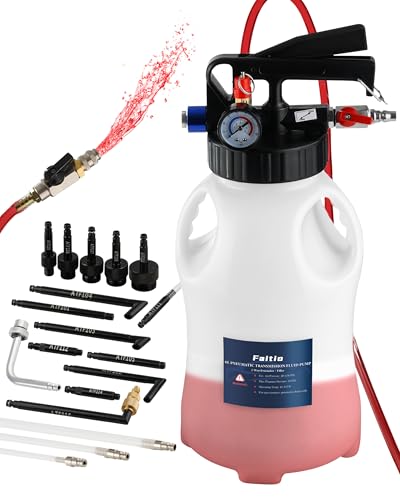
6L Transmission Fluid Transfer Pump w/ 15 ATF Adapters & 3 Suction Hoses, 2-Way Pneumatic Fluid Extractor/Dispenser for Transmission, Differential, Transfer Case & Gearbox, Transmission Filler Pump
All-in-One 2-Way Tool: Extract and refill with one switch—no need to swap tools. Works with ATF, DSG, CVT,…
As an affiliate, we earn on qualifying purchases.
As an affiliate, we earn on qualifying purchases.
Safety Gear and Precautions for a Safe Process
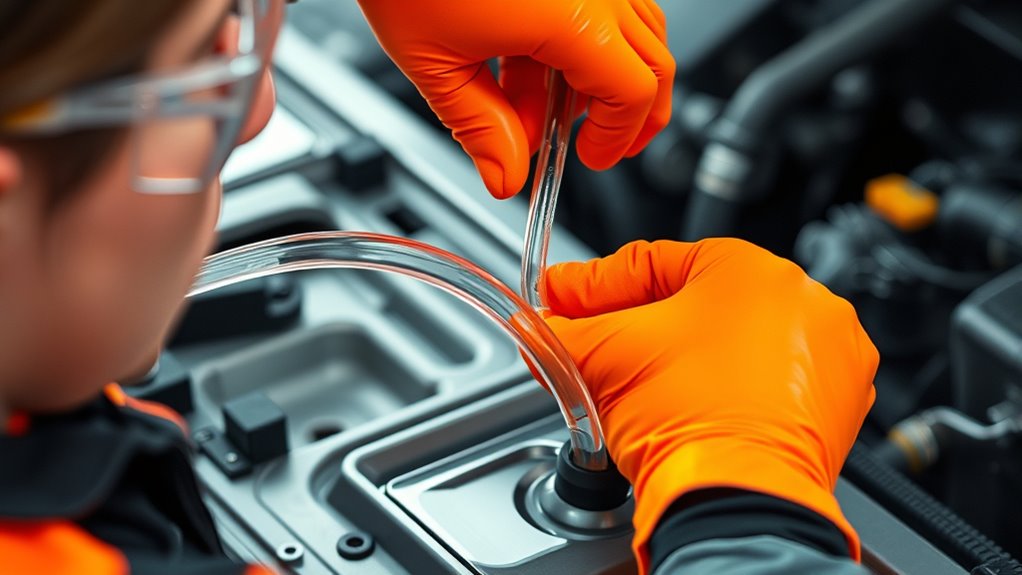
Ensuring safety when operating a fluid extractor starts with wearing the right protective gear. You should always wear impermeable gloves to prevent chemical contact and protect your skin. Use flame-resistant clothing if handling flammable fluids to minimize fire risks. Don respiratory protection in enclosed or poorly ventilated areas to avoid inhaling harmful vapors. Long sleeves and anti-slip shoes help shield your skin and maintain stability during operation. Multi-gas monitors are essential to detect dangerous hydrocarbon vapors early. Always check your safety gear before starting, and never bypass safety equipment. Staying alert to your surroundings and understanding the hazards involved guarantees you reduce risks, prevents accidents, and maintains a safe environment throughout the fluid extraction process.
Engineering Controls to Minimize Risks and Spills
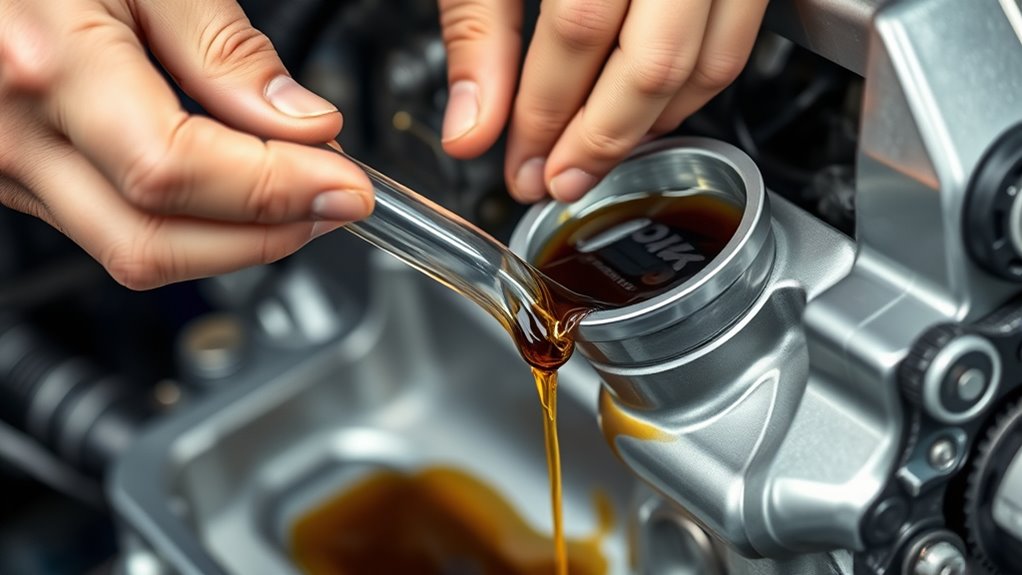
To minimize risks and spills during fluid extraction, you should implement engineering controls that actively prevent accidents. These measures help contain fluids, reduce static sparks, and monitor system pressure. For example, bonding and grounding hoses prevent static electricity buildup that could ignite vapors. Using conductive hoses ensures safe fluid transfer, especially with flammable liquids. Installing pressure indicators on reservoirs allows you to monitor pressure levels and prevent over-pressurization. Additionally, vapor recovery units or upwind positioning help manage vapors effectively. Proper venting through atmospheric stack valves ensures safe pressure release, reducing the chance of leaks. These controls work together to create a safer, more controlled environment, minimizing spill risks and enhancing overall safety during fluid extraction operations.
Emergency Response Strategies for Fluid Handling Incidents
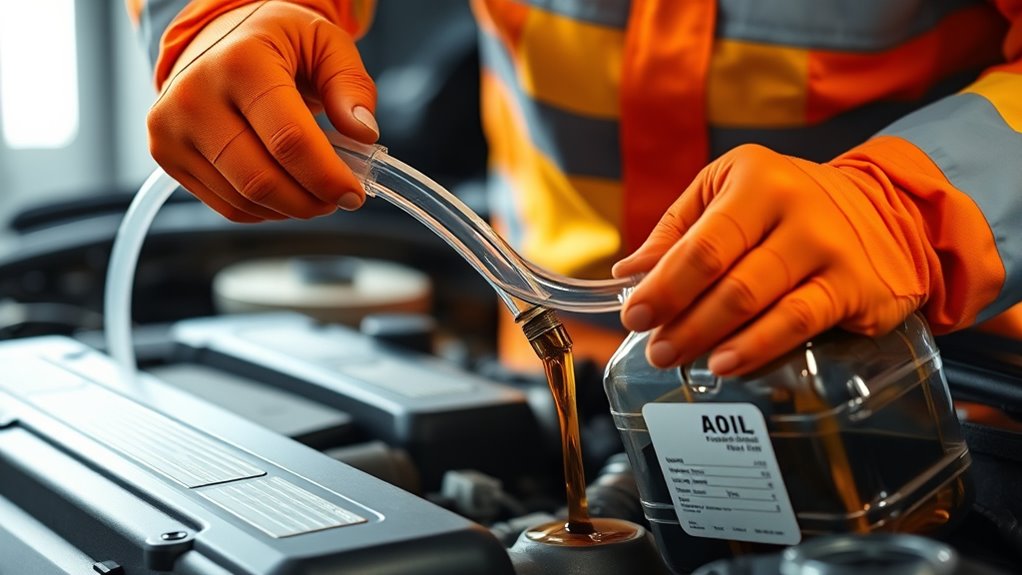
When a fluid handling incident occurs, quick and effective response is crucial to minimize harm and environmental impact. First, assess the situation immediately. If a spill happens, activate your spill kit with absorbents and neutralizers. Use the table below to guide your actions:
| Situation | Response |
|---|---|
| Fluid spill on surface | Cover with absorbent pads, contain, and clean up. |
| Exposure to chemicals | Rinse affected skin with water and seek medical help. |
| Vapor release or leak | Evacuate area, ventilate, and alert emergency services. |
| Container breach or rupture | Shut off fluid source, contain spill, and secure area. |
Stay calm, follow safety protocols, and ensure all personnel are aware of their roles. Proper preparation minimizes risks and damage.
Tips for Transferring and Storing Fluids Without a Mess
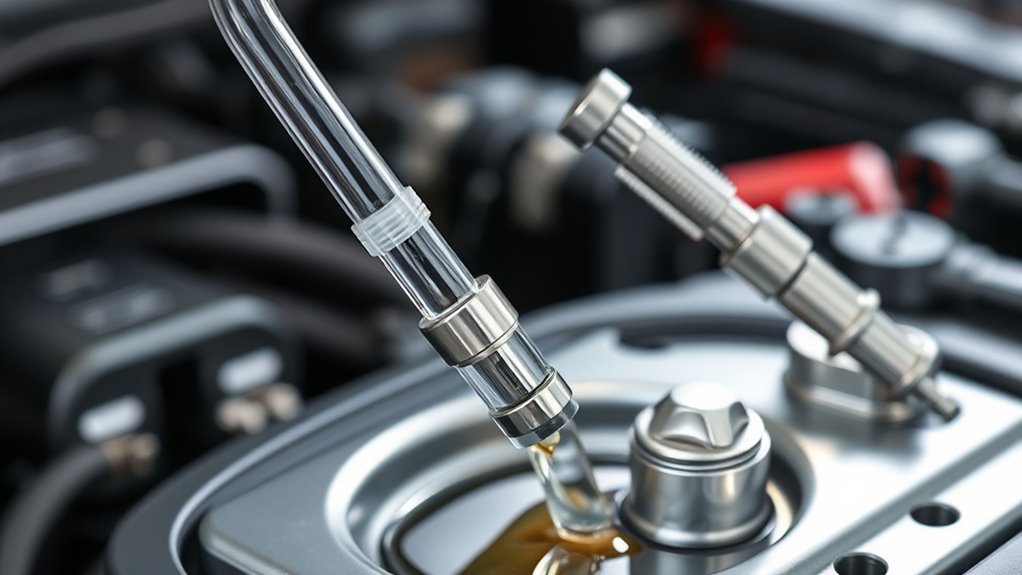
Transferring and storing fluids without creating a mess requires careful planning and proper technique. First, always position your containers on a stable, level surface to prevent spills. Use flexible, conductive hoses to control flow and reduce splashes. When transferring, keep containers close to the outlet to minimize drips, and slow down the flow as you near full capacity. Immediately seal reservoirs and storage cans after use to prevent leaks. To make cleanup easier, place absorbent pads or drip pans underneath connection points. Additionally, pre-measure fluids into smaller, clearly labeled containers for easy handling and identification. With these steps, you’ll maintain a clean workspace, prevent accidents, and guarantee safe, efficient fluid management.
Frequently Asked Questions
How Can I Prevent Static Buildup During Fluid Transfer?
To prevent static buildup during fluid transfer, you should ground and bond all hoses and equipment. Use conductive hoses and attach them securely to grounded points, ensuring a continuous electrical path. Avoid transferring fluids in dry or insulated environments, and keep transfer lines in contact with grounded surfaces. Regularly inspect grounding connections for corrosion or damage, and always follow safety protocols to minimize static risk.
What Are the Signs of Worn Hoses or Seals to Watch For?
You should watch for cracks, tears, or bulges in hoses, which indicate wear. Also, listen for leaks or drips around seals and fittings. If you notice fluid bypassing seals or difficulty maintaining pressure, those seals might be worn out. Discoloration, stiffness, or a rubbery smell are signs of deterioration. Regular inspection helps catch these issues early, preventing leaks and ensuring safe, efficient fluid extraction.
How Do I Safely Vent Vapors During Extraction?
You should guarantee proper venting by using atmospheric stack valves or vapor recovery units to safely release vapors during extraction. Keep the vent open to prevent pressure buildup, and position the extractor upwind to avoid inhaling fumes. Always wear respiratory protection and use multi-gas monitors to detect vapors. Regularly check vent connections for leaks, and follow safety protocols to prevent accidental releases or hazardous exposure.
What Should I Do if a Spill Occurs Despite Precautions?
Did you know that quick action can reduce spill cleanup time by up to 50%? If a spill occurs despite precautions, immediately contain it with spill kits and absorbent pads. Shut off the extractor to prevent further leaking. Wear your protective gear, and carefully clean the area with neutralizers. Properly dispose of contaminated materials, and review safety procedures to prevent future spills. Quick response keeps everyone safe and minimizes environmental impact.
How Often Should I Inspect and Maintain My Extractor Equipment?
You should inspect and maintain your extractor equipment weekly, or more often if you use it frequently. Check hoses, valves, and seals for cracks or wear, and clean filters regularly. Confirm connections are secure and capacity is accurate. Keep the extractor clean and store it properly after each use. Regular maintenance helps prevent leaks, equipment failure, and safety hazards, keeping your fluid extraction smooth and mess-free.
Conclusion
Remember, a clean fluid extraction starts with preparation and care. By following the right steps and safety measures, you can prevent messes and handle fluids confidently. Keep safety gear on, work methodically, and don’t rush—after all, “a stitch in time saves nine.” With these tips, you’ll master fluid extraction smoothly and safely, turning a potentially messy job into a hassle-free task every time.