

TL;DR
Automating your lead qualification saves hours, improves consistency, and boosts your sales pipeline. Use structured forms, scoring, and smart routing to qualify leads while you sleep.
Imagine waking up to a fresh list of hot leads, fully scored and sorted — no manual work needed. That’s the promise of a lead qualification system that runs while you sleep. It’s not just a tech trend; it’s a game-changer for anyone tired of wasting hours on unqualified prospects.
If your current process involves endless email chains, missed follow-ups, and inconsistent judgments, you’re missing out. Building an automated system means your best prospects get prioritized, your team works smarter, and your pipeline fills faster. Ready to see how? Let’s break down exactly how to create a qualification process that scales effortlessly.
Key Takeaways
- Define clear criteria and use proven frameworks like BANT or CHAMP to guide your scoring.
- Build multi-step forms that mimic sales conversations, assigning scores based on answers.
- Set thresholds for hot, warm, and cold leads to automate routing and prioritization.
- Regularly analyze data to refine questions, scoring, and thresholds—your system should evolve with your market.
- Leverage AI and behavioral signals to make qualification smarter and more dynamic over time.

AI Schedule Automation & AI Estimator for Service Providers: Build a Fully Automated Lead Qualification, Pricing, and Booking System
As an affiliate, we earn on qualifying purchases.
As an affiliate, we earn on qualifying purchases.
Why Manual Qualification Is Holding Your Sales Back
Manual qualification sounds simple — a quick chat, a few questions. But in reality, it’s slow, inconsistent, and drains your top talent. When a lead fills out a form at midnight, a team member might not see it until days later. That delay can mean lost opportunities, especially since 35% of sales go to the vendor who responds first.[7]
Plus, relying on humans to judge leads creates wild variability. One person might chase down every promising lead, while another ignores the same signals. Over time, this inconsistency kills your pipeline’s reliability. And let’s face it — your best reps should be closing deals, not filtering spam.
Without data, you also miss patterns. Maybe 80% of your unqualified leads come from one traffic source or tend to mention certain keywords. Manual processes hide these trends, leaving money on the table.
By not automating, you risk missing critical insights that could optimize your sales approach. Human judgment, while valuable, is limited by bias, fatigue, and inconsistency. This means your qualification process might overlook high-potential leads or waste time on low-value prospects. The tradeoff is clear: manual methods may seem flexible but often lead to slower, less reliable results that hinder growth.
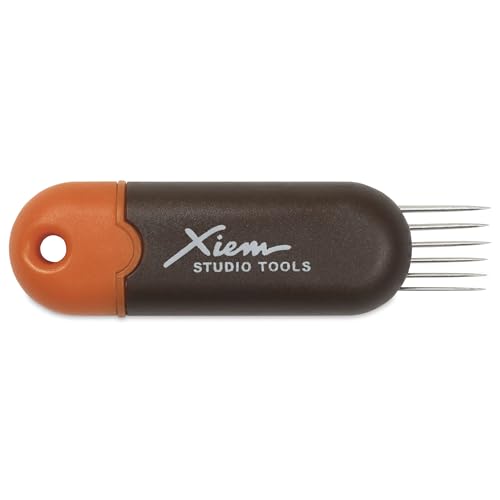
Xiem Tools Retractable Scoring Tool for Pottery and Ceramics
The Xiem retractable scoring tool provides an ergonomic solution to scoring and storing.
As an affiliate, we earn on qualifying purchases.
As an affiliate, we earn on qualifying purchases.
How an Automated Qualification System Turns Leads Into Money While You Sleep
Automation uses smart forms, scoring, and routing to handle leads instantly. Instead of a generic contact form, you build a multi-step quiz that mimics your sales call. It asks about budget, authority, needs, and timeline — then scores answers based on your ideal customer profile.
For example, a marketing agency might ask about monthly ad spend or industry. A business coach might focus on company size and growth stage. The responses get points, and the total score determines the lead’s quality.
High scorers are immediately booked for calls or pushed into your CRM as hot prospects. Medium scores get nurtured with helpful resources, while low scores get politely shown the door. All this happens automatically, 24/7, freeing your team for real selling.
This automated approach is crucial because it ensures every lead is evaluated consistently and promptly, regardless of the time or the individual handling it. The implication is that your pipeline becomes more reliable, and your sales team can focus on closing rather than qualifying. The tradeoff is that initial setup requires thoughtful design to ensure scoring accurately reflects true lead quality, balancing sensitivity and specificity to avoid missing valuable prospects or wasting resources on poor fits.

Adams Bill of Sale Forms Pack, Includes 2 Motor Vehicle and 2 General Bills of Sale, 8.5 x 11 Inches, White (ALFP111)
Bill of sale forms
As an affiliate, we earn on qualifying purchases.
As an affiliate, we earn on qualifying purchases.
Step-by-Step: Building Your Own Lead Scoring Funnel
- Design Your Questions: Focus on criteria that predict conversion — budget, decision-maker status, urgency, and fit. The key is to choose questions that yield actionable data, enabling the system to differentiate high-quality leads from less promising ones. Poorly chosen questions can lead to inaccurate scoring, which might either miss valuable prospects or waste resources on unlikely buyers.
- Assign Point Values: Create a scoring table. For example, a monthly budget over $15,000 might score 15 points, while under $1,000 scores 0. Properly calibrated points ensure your scoring reflects the true potential of each lead. Over- or under-weighting certain criteria can distort your prioritization, so it’s vital to test and adjust based on real results.
- Set Thresholds: Decide what total score qualifies as hot, warm, or cold. For instance, 35+ points could be hot, 15-34 warm, below 15 cold. These thresholds determine how leads are routed and prioritized. Setting them too high might exclude good leads, while too low could overwhelm your sales team with less qualified prospects. Finding the right balance is essential for efficiency and effectiveness.
- Automate Routing: Connect your form to your CRM or email system. Leads scoring above 35 get immediate follow-up. Others get nurtured or shown alternative resources. This step ensures your sales team is always working on the most promising prospects, reducing response time and increasing conversion opportunities. The tradeoff involves maintaining accurate data flows and ensuring your routing logic aligns with your sales process.
- Track & Refine: Monitor where leads drop off or score unexpectedly. Adjust questions, scoring, or thresholds based on real data. Continuous refinement is crucial because market conditions, customer behavior, and your offerings evolve. Failing to adapt your system can lead to decreased accuracy and missed opportunities, so regular review and iteration are necessary for sustained success.
For example, a SaaS company might find that leads mentioning “enterprise” score higher because they’re more likely to buy. Using this process, you constantly improve your system—making it smarter and more aligned with reality, which is vital for maintaining a competitive edge.

FOUND MONEY: How AI-Powered Revenue Operations (RevOps) Uncovers Growth Hacks Hiding in Plain Sight (The Artificial Intelligence (AI) Strategy Book Series 4)
As an affiliate, we earn on qualifying purchases.
As an affiliate, we earn on qualifying purchases.
Comparison: Manual vs. Automated Qualification — Which Wins?
| Feature | Manual Qualification | Automated Qualification |
|---|---|---|
| Speed | Hours to days delay | Instant, 24/7 |
| Consistency | Variable, depends on person | Standardized, data-driven |
| Scalability | Limited, time-consuming | Unlimited, efficient |
| Data Insights | Hard to track patterns | Clear analytics & trends |
| Reputation | Variable response quality | Consistent, professional |
Automation isn’t just faster; it’s smarter. It filters out the noise, so your team focuses on closing deals, not chasing cold leads or sorting spam. The key implication is that automation enhances overall efficiency, reduces human error, and provides richer data for strategic decisions. The tradeoff is that initial investment and setup complexity can be higher, but the long-term gains outweigh these costs.
What You Need to Make Your Qualification System Fail-Proof
Start with clear, proven criteria like BANT or CHAMP. Use data to set scoring thresholds that match your sales cycle. Integrate your forms with your CRM and analytics tools for real-time updates. And don’t forget to regularly review your results.
For example, if your high-scoring leads are not converting, maybe your thresholds are too high or your questions aren’t catching the right signals. Regular audits keep your system sharp and aligned with your goals. This ongoing process is vital because market dynamics and customer behaviors evolve, and your qualification system must adapt accordingly. Ignoring this can lead to misclassification, wasted resources, and missed revenue opportunities.
Recent advances in AI mean you can also incorporate behavioral signals — like page visits or content downloads — to refine scoring dynamically. This integration allows your system to learn from new data, making it more accurate over time. The tradeoff is that implementing these advanced features requires a solid understanding of both your data and the technology, but the payoff is a more resilient and precise qualification process that stays ahead of market changes.
What the Future of Lead Qualification Looks Like in 2025-2026
AI-driven platforms now analyze not just static data but also behavioral signals — like how long a prospect spends on your pricing page or whether they attend a webinar. This real-time insight boosts qualification accuracy by over 50%.[2]
Automation tools are blending ICP fit with digital body language, creating a dynamic scoring system. Companies that leverage these tools see nearly double the qualification success rate, turning raw traffic into revenue faster.[5]
But beware of pitfalls: rushing automation without proper setup can lead to misclassification. A phased approach—starting small, then expanding—ensures your system remains reliable and adaptable.[4]
Looking ahead, the integration of AI and behavioral analytics will enable hyper-personalized qualification, allowing sales teams to focus on prospects with the highest likelihood of conversion. However, this technological evolution also demands that teams develop new skills and strategies to interpret and act on complex data streams, emphasizing the importance of ongoing training and system optimization.
Frequently Asked Questions
How do I customize the scoring thresholds for my business?
Begin by analyzing your historical conversion rates at different score levels. Use those insights to set realistic thresholds, then test and refine over time. Regular review ensures your system stays aligned with your evolving sales cycle.
Which tools best automate lead scoring and routing?
Platforms like HubSpot, Salesforce Pardot, and ActiveCampaign offer built-in scoring and routing features. For advanced AI-driven scoring, tools like SynthFlow or Highspot integrate behavioral analytics and real-time data for smarter qualification.
How often should I review and update my qualification criteria?
At least quarterly. Monitor your conversion data, drop-off points, and market changes. Regular tweaks prevent your system from becoming outdated and keep your pipeline healthy and predictable.
What are common pitfalls to avoid when building an automated system?
Avoid setting thresholds too high or low without testing, neglecting to integrate analytics, and skipping regular reviews. Rushing automation without proper setup risks misclassification and wasted resources.
Conclusion
Automating your lead qualification isn’t just about saving time — it’s about working smarter. When your system filters out the noise and highlights your best prospects, you free up your team to do what they do best: close deals.
Imagine a pipeline that sorts itself, responds instantly, and learns from every lead. That’s the future of sales. Start small, iterate fast, and watch your pipeline grow while you focus on closing.