
To spot torque-to-yield (TTY) bolts, look for specific markings, manufacturer specs, or built-in indicators showing they are designed to undergo plastic deformation. These bolts are made from high-strength alloys and require tightening in a precise sequence, often with an over-torque or angle torque method. Proper handling is vital to avoid failure or insufficient clamping. Keep in mind, understanding their installation process will help you guarantee safety and performance—there’s more to know ahead.

Get business pricing on garage and car supplies
- Business-only prices and quantity discounts
- Tax-exempt purchasing
- Multiple users, one account, clear invoices
Key Takeaways
- Look for specific markings or manufacturer specifications indicating TTY or stretch bolts.
- TTY bolts undergo controlled plastic deformation, often visible through witness marks or deformation indicators.
- Proper installation involves tightening in a specific sequence and using angle torque or over-torque methods.
- Confirm the bolt material and markings to ensure it is a TTY bolt before installation.
- Over-tightening or improper handling risks bolt failure; follow manufacturer guidelines for torque and sequence.
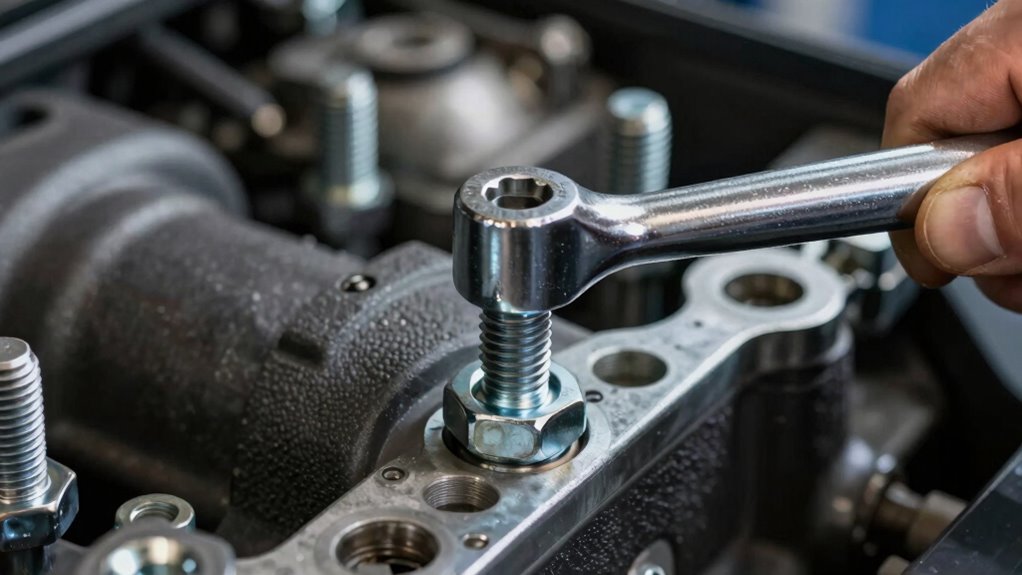
Torque-to-yield (TTY) bolts are specialized fasteners designed to provide a reliable clamping force by plastically stretching during installation. Unlike traditional bolts that are tightened to a specific torque and then remain static, TTY bolts are meant to undergo a controlled amount of plastic deformation. This stretching ensures a more consistent clamp load and reduces the risk of bolt loosening over time. Recognizing TTY bolts in your work is essential because they require different handling compared to regular fasteners.
TTY bolts stretch plastically during installation to ensure consistent clamping force and reduce loosening risks.
One of the key indicators of a TTY bolt is the bolt material. These bolts are often made from high-strength alloys, such as alloy steel, which can withstand the plastic deformation without failing. Sometimes, they are coated or treated to improve durability and resistance to fatigue. If you’re inspecting or replacing bolts, check for markings or manufacturer specifications that specify a TTY type. These markings usually indicate the bolt’s intended use and whether it’s a TTY fastener.
The tightening sequence is equally important when working with TTY bolts. Since these bolts are designed to stretch plastically, they must be tightened in a specific pattern to evenly distribute stress and prevent uneven deformation. Typically, you start by tightening each bolt to a snug, preliminary torque, then follow a crisscross or specified pattern to gradually bring all bolts to their final torque setting. This procedure ensures the bolt stretch remains uniform and the gasket or component is evenly compressed. It’s essential you follow the manufacturer’s recommended tightening sequence and torque values meticulously.
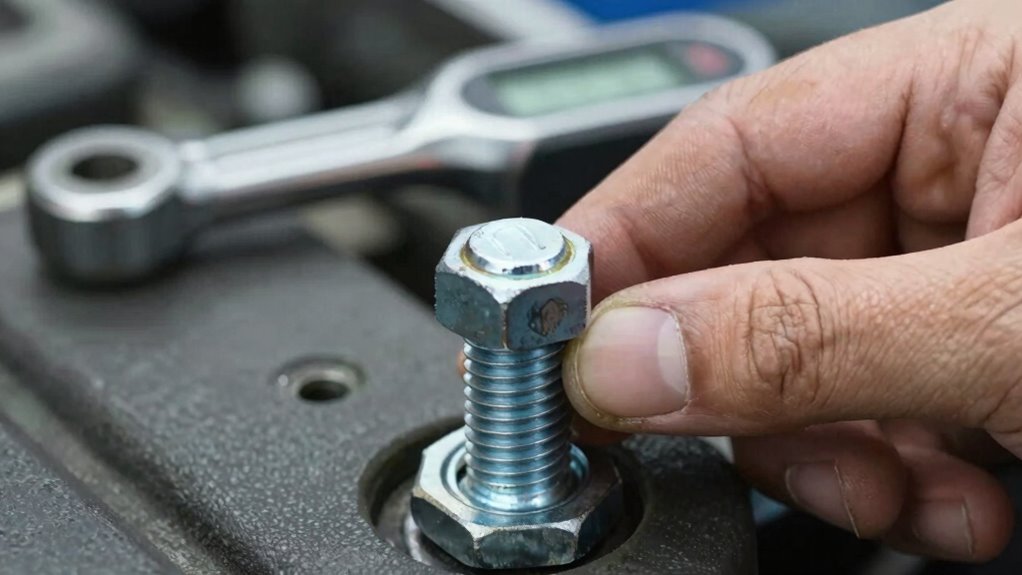
Another way to spot TTY bolts is by their installation procedure. They often require an angle torque or an over-torque method, meaning you tighten them beyond the initial torque value to induce plastic deformation. Some bolts come with a built-in witness mark or a specific indicator that shows when the bolt has been properly stretched. Always double-check the specifications before installation to confirm whether the bolt is TTY type, and don’t forget to reset your torque wrench to the precise value indicated by the manufacturer. Additionally, understanding the bolt material and its properties can help prevent installation errors and ensure the longevity of the fasteners.
Handling TTY bolts properly is critical because over-tightening or under-tightening can lead to failure or insufficient clamping force. Knowing the bolt material and following the correct tightening sequence are your best tools in guaranteeing proper installation. When you understand these key aspects, you’ll be better equipped to identify, install, and maintain TTY bolts effectively, ultimately safeguarding the safety and performance of the assembly.
As an affiliate, we earn on qualifying purchases.
Frequently Asked Questions
Are Torque-To-Yield Bolts Reusable After Removal?
You shouldn’t reuse torque-to-yield bolts after removal because their bolt material is designed for single use only. Reuse guidelines typically advise replacing them to guarantee proper tension and safety. These bolts stretch during installation, which weakens their integrity if reused. Always check manufacturer recommendations, but generally, replacing torque-to-yield bolts is the safest choice to prevent failure and maintain engine or component reliability.
How Can I Prevent Over-Tightening Torque-To-Yield Bolts?
To prevent over-tightening torque-to-yield bolts, always use proper tightening procedures and follow the manufacturer’s specifications. Apply the correct lubrication techniques, such as using the recommended lubricant or anti-seize compound, to guarantee consistent torque application. Use a calibrated torque wrench, tighten bolts gradually in stages, and avoid excessive force. These steps help you maintain proper tightening and prevent damage or overstressing the bolts.
Do All Vehicles Use Torque-To-Yield Bolts for Critical Components?
Think of vehicles as a diverse garden—some plants thrive with delicate touch, others need sturdy support. Not all vehicles use torque-to-yield bolts for critical components; material differences and specific torque specifications guide that choice. High-stress parts often require these special bolts for maximum safety and performance, while less critical areas might use standard fasteners. Always follow the manufacturer’s torque specifications and material recommendations to guarantee proper tightening and longevity.
What Are the Signs of a Failing Torque-To-Yield Bolt?
You’ll notice signs of a failing torque-to-yield bolt through bolt corrosion or thread damage. If the bolt becomes visibly rusted or shows signs of corrosion, it’s a red flag. Thread damage, such as stripped or worn threads, also indicates failure. You might experience leaks, unusual noises, or a loss of component stability. Regular inspection and replacing these bolts at the first sign of damage help prevent engine or component failure.
Can Torque-To-Yield Bolts Be Identified Visually?
Approximately 30% of mechanic errors involve improper bolt identification. You can’t reliably identify torque-to-yield bolts through visual inspection alone, but you may notice specific markings, such as colored paint or stamps, indicating their type. Always check for these markings during inspection, and remember that proper torque specifications are essential. When in doubt, consult manufacturer guidelines, as visual cues don’t guarantee a bolt’s torque-to-yield status.
angle torque wrench for TTY bolts
As an affiliate, we earn on qualifying purchases.
As an affiliate, we earn on qualifying purchases.
Conclusion
Understanding torque-to-yield bolts helps you avoid costly mistakes and guarantees a secure, reliable fit. While some believe these bolts are a risk due to their stretchable design, recent studies suggest they actually offer superior clamping force when used correctly. By recognizing their unique characteristics and following proper procedures, you can confidently work with them, trusting that, when applied properly, they’re designed to provide a safer, longer-lasting connection—challenging the idea they’re inherently problematic.
As an affiliate, we earn on qualifying purchases.
As an affiliate, we earn on qualifying purchases.
Halloween Picks
halloween
As an affiliate, we earn on qualifying purchases.