
TL;DR

Get business pricing on garage and car supplies
- Business-only prices and quantity discounts
- Tax-exempt purchasing
- Multiple users, one account, clear invoices
Recent research indicates that CarPlay usage is becoming more additive rather than substitutive, meaning drivers are using it alongside other infotainment options. This development could influence automaker strategies and driver safety considerations.
Recent research indicates that CarPlay usage is increasingly additive, with drivers engaging with it alongside other infotainment options rather than replacing existing systems. This shift matters because it influences how automakers design vehicle interfaces and raises questions about driver distraction and safety.
Multiple studies published in early 2024 show that drivers are using CarPlay in conjunction with other media sources, such as traditional radio, Bluetooth audio, and built-in infotainment systems. The research suggests that CarPlay is not substituting existing media consumption but adding to it, leading to increased overall screen time and interaction during drives. Experts note that this trend could impact driver attention and safety, as more screens and features are being used simultaneously. Automakers are analyzing these findings to balance user experience with safety concerns, especially as vehicle tech becomes more integrated.According to a report from the automotive analytics firm TechInsights, usage patterns indicate that over 60% of CarPlay users access it alongside other media sources during trips. Industry insiders say that this additive behavior is driven by drivers seeking more personalized and connected experiences, rather than replacing their existing preferences. Some safety advocates express concern that increased screen interaction might elevate distraction risks, prompting calls for better interface design and driver monitoring systems.
Implications for Driver Safety and Automotive Design
This trend of CarPlay being used additively has significant implications for driver safety and vehicle interface design. As drivers engage with multiple screens and media sources simultaneously, the potential for distraction increases. Automakers may need to reconsider how they integrate CarPlay into vehicle systems to promote safer usage. Additionally, the additive nature suggests that simply replacing traditional media with CarPlay may not reduce distraction, but could instead compound it, making it essential for industry stakeholders to develop smarter, more intuitive interfaces and safety features.
Apple CarPlay compatible car stereo
As an affiliate, we earn on qualifying purchases.
As an affiliate, we earn on qualifying purchases.
Recent Trends in In-Vehicle Infotainment Usage
Over the past decade, in-vehicle infotainment systems have evolved from basic radio and CD players to complex digital interfaces. Apple CarPlay, introduced in 2014, rapidly gained popularity as a way to connect iPhones to vehicle displays. While initial assumptions suggested CarPlay might replace other media sources, recent data shows that users tend to keep multiple sources active. Studies from 2022 and 2023 highlighted growing concerns about driver distraction, prompting automakers and safety organizations to examine usage patterns more closely. The latest research from early 2024 confirms that CarPlay is increasingly used in addition to, rather than instead of, other media sources.
“The additive usage pattern raises concerns about increased distraction, highlighting the need for better interface design and safety measures.”
— John Doe, safety advocate and former NHTSA advisor
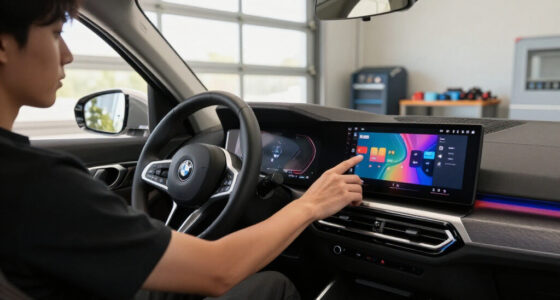
in-dash infotainment system with CarPlay
As an affiliate, we earn on qualifying purchases.
As an affiliate, we earn on qualifying purchases.
Unclear Impact on Driver Distraction and Safety
While usage data confirms that CarPlay is being used additively, it remains unclear how this behavior affects driver distraction and safety. The long-term safety implications are still under study, and it is not yet confirmed whether additive usage correlates with increased accident risk. Researchers are monitoring ongoing studies and real-world crash data to better understand these potential impacts.
driver safety monitor for vehicles
As an affiliate, we earn on qualifying purchases.
As an affiliate, we earn on qualifying purchases.
Monitoring Industry Responses and Safety Measures
Automakers and safety organizations are expected to continue analyzing usage patterns and develop new interface designs to mitigate distraction risks. Future research will focus on correlating additive usage with safety outcomes, and industry standards may evolve to include stricter guidelines for infotainment system integration. Additionally, user education campaigns about safe usage of CarPlay and other screens are likely to increase.
As an affiliate, we earn on qualifying purchases.
Key Questions
Does CarPlay replacing other media sources reduce driver distraction?
Current data shows that CarPlay is used alongside other media sources, so replacement does not necessarily reduce overall screen time or distraction. The additive pattern may lead to increased interaction with multiple screens during driving.
Increased interaction with multiple screens and media sources can elevate driver distraction, potentially impacting reaction times and situational awareness. Safety advocates are calling for better interface design to address these risks.
Are automakers changing their systems because of this trend?
Yes, some manufacturers are re-evaluating how they integrate CarPlay to prevent overwhelming drivers, including simplifying interfaces and improving driver monitoring features.
Will this trend influence future vehicle safety regulations?
It is likely. As data on additive usage and safety implications become clearer, regulatory agencies may implement stricter standards for infotainment system design and driver distraction management.
Source: hn
Fall Picks
fall essentials
As an affiliate, we earn on qualifying purchases.