TL;DR

Get business pricing on garage and car supplies
- Business-only prices and quantity discounts
- Tax-exempt purchasing
- Multiple users, one account, clear invoices
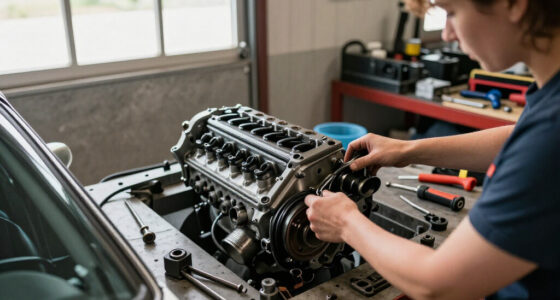
ZF has announced a push for repairing EV drive units rather than replacing them. This development reflects a potential shift toward more sustainable and cost-effective maintenance practices in the EV industry, though details remain preliminary.
ZF, a prominent automotive supplier, has publicly promoted the idea of repairing electric vehicle (EV) drive units instead of replacing them entirely, signaling a potential shift in EV maintenance practices. This initiative aims to reduce costs and environmental impact, and it comes amid increasing industry interest in sustainable repair solutions.
According to industry sources, ZF is advocating for a repair-centric approach to EV drive units, emphasizing that many faults can be addressed through repairs rather than full replacements. This approach could significantly lower maintenance costs for EV owners and fleet operators, as drive unit replacements are often expensive and time-consuming. The move is part of a broader trend toward sustainable automotive repair, which aims to extend vehicle lifespan and reduce waste. While specific technical details about ZF’s repair methods are not yet publicly available, the company has indicated that its repair solutions are designed to be efficient and scalable, suitable for both aftermarket service providers and authorized repair centers. The push for repair aligns with industry pressures to improve EV sustainability and reduce the environmental footprint associated with manufacturing and disposing of drive units. This initiative might also influence the repair standards and regulations in the automotive sector, encouraging more widespread adoption of repairable drive units.Potential Industry Shift Toward Sustainable EV Maintenance
The emphasis on repairing EV drive units by ZF could mark a significant change in how the automotive industry approaches EV maintenance. If adopted widely, this could lead to lower costs for consumers and fleet operators, reduce waste from discarded drive units, and promote a more sustainable lifecycle for electric vehicles. It also signals a move toward more repair-friendly vehicle designs, which could influence future EV manufacturing standards and repair regulations.
As an affiliate, we earn on qualifying purchases.
Growing Interest in EV Repair and Sustainability Practices
Interest in sustainable EV maintenance has been rising as the electric vehicle market expands rapidly worldwide. Traditionally, drive units are replaced when faults occur, often leading to high costs and environmental concerns related to manufacturing and disposal. Recent industry trends suggest a shift toward repairability, driven by both environmental pressures and economic incentives. The recent spike in coverage and search interest around ZF’s initiative indicates a broader industry and consumer focus on sustainable repair solutions. However, it remains unclear whether this is an isolated strategy or part of a wider movement among automotive suppliers and manufacturers.
electric vehicle motor repair tools
As an affiliate, we earn on qualifying purchases.
As an affiliate, we earn on qualifying purchases.
Extent and Industry Adoption of Repair Strategies Still Unclear
It is not yet clear how widely ZF’s repair approach will be adopted across the industry or whether other suppliers will follow suit. Details about the specific repair techniques, cost savings, and environmental benefits are still emerging, and it remains uncertain whether regulatory bodies will endorse or facilitate widespread repair practices for EV drive units.
As an affiliate, we earn on qualifying purchases.
Monitoring Industry Response and Regulatory Developments
Industry observers will be watching for official technical disclosures from ZF and other suppliers, as well as potential regulatory changes that could support or hinder repair-focused approaches. Further testing, pilot programs, and industry standards development are expected to follow, which will clarify the feasibility and impact of this shift. Consumers and fleet operators should stay informed about evolving repair options and regulations in the EV sector.
electric vehicle drive unit maintenance
As an affiliate, we earn on qualifying purchases.
As an affiliate, we earn on qualifying purchases.
Key Questions
What types of faults can be repaired in EV drive units?
Specific fault types are not yet detailed publicly, but common issues such as sensor failures, winding problems, and cooling system faults are typically repairable in EV drive units, depending on the design and extent of damage.
Will repairs be cheaper than replacements?
Industry experts suggest that repairs could be more cost-effective, especially for minor faults, but final costs will depend on the complexity of the repair and the availability of parts and service options.
Are repairable drive units available for all EV brands?
It is too early to confirm whether all EV manufacturers will adopt repair-friendly designs, but ZF’s initiative indicates a move toward more repairable drive units in the industry.
Could repair solutions extend the lifespan of EVs?
Potentially, yes. Repairing drive units instead of replacing them could help extend vehicle lifespans, reduce waste, and lower overall maintenance costs.
What regulations might affect the adoption of repair practices?
Regulatory frameworks around vehicle repair standards, environmental disposal, and warranty policies will influence how widely repair solutions are adopted in the industry.
Source: rss
Fall Picks
fall essentials
As an affiliate, we earn on qualifying purchases.