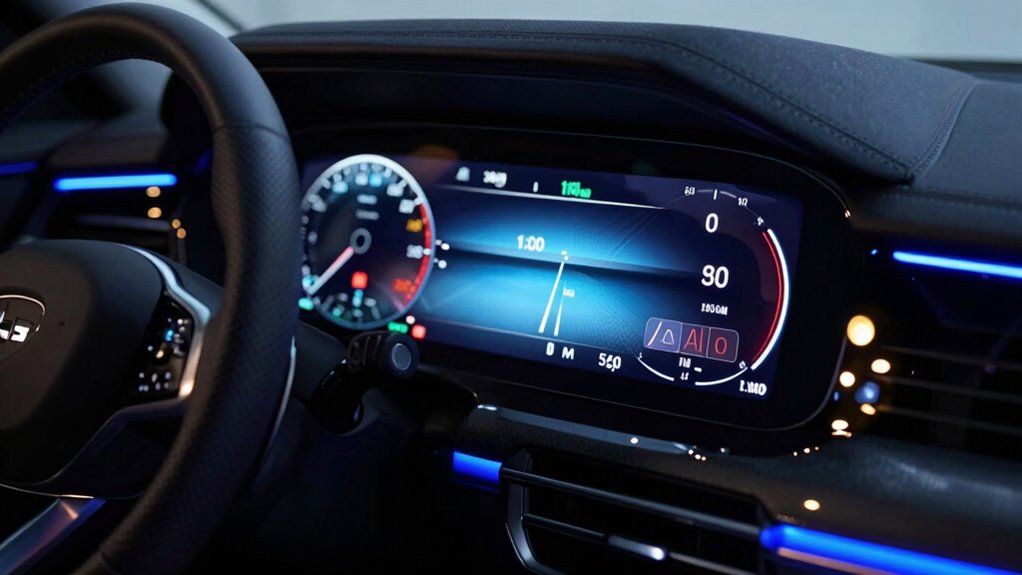

Driver feedback matters because it helps you become more aware of your driving habits, allowing you to spot risky patterns like sudden braking or rapid acceleration. It encourages behavioral changes that lead to safer driving and improves your skills over time. Feedback also boosts your motivation by recognizing progress and fosters a culture of responsibility. Plus, advanced technology like alerts and visual tools support safer decisions behind the wheel. Keep going to discover even more benefits.
Key Takeaways
- Feedback shapes drivers’ awareness of risky behaviors, promoting safer driving habits.
- It accelerates skill development for new and experienced drivers through targeted insights.
- Tracking progress with feedback boosts motivation and reinforces positive driving practices.
- Regular feedback fosters accountability, encouraging responsible driving and accident prevention.
- Advanced technology like high-quality visuals and alerts support better hazard recognition and decision-making.

Have you ever wondered how your driving habits are perceived by others on the road? Driver feedback plays a vital role in shaping your behavior behind the wheel, helping you become a safer and more confident driver. When you receive constructive comments or data about your driving, you gain insights that can lead to meaningful safety improvements. For example, noticing patterns like sudden braking or rapid acceleration can help you identify areas where you might be risking safety, allowing you to adjust your habits accordingly. This ongoing feedback loop isn’t just about avoiding accidents; it’s about refining your skills to navigate traffic more effectively and responsibly.
By paying attention to driver feedback, you also enhance the effectiveness of your training. Whether you’re a new driver or someone looking to improve specific skills, consistent feedback helps you understand what techniques work best for you. If a driving instructor or an in-car monitoring system highlights particular issues, you can focus on targeted training that addresses those weaknesses. As a result, you develop better control over your vehicle and make smarter decisions on the road. Over time, this tailored approach leads to quicker improvements, making your training more efficient and impactful.
Moreover, feedback isn’t solely about pointing out mistakes; it’s about recognizing your progress. When you see measurable improvements—like smoother turns, maintaining safer following distances, or reducing distractions—you feel motivated to continue practicing good habits. Feedback can come in many forms: verbal comments from instructors, digital reports from driving apps, or even real-time alerts from vehicle systems. All of these sources reinforce positive behaviors and help you internalize safe driving practices. As you become more aware of how your actions affect safety, you’re less likely to fall into risky habits, which ultimately benefits everyone sharing the road.
Another key benefit of driver feedback is its role in fostering a culture of accountability. When you’re aware that your driving is being monitored and evaluated, you tend to be more mindful of your actions. This sense of accountability encourages consistent safe driving, reducing the chance of reckless behaviors that could lead to accidents. It also promotes a proactive attitude toward safety improvements, prompting you to seek out additional training or resources when needed. The more engaged you are with feedback, the more you invest in becoming a responsible driver.
Additionally, incorporating high-quality projectors with accurate color reproduction and contrast ratios can greatly enhance the clarity of your viewing experience, making it easier to notice details and react accordingly in various driving simulations or entertainment content. Paying attention to vehicle systems and their alerts further supports your ability to respond quickly to potential hazards.
Frequently Asked Questions
How Does Driver Feedback Influence Vehicle Design Improvements?
Your driver feedback directly influences vehicle design improvements by highlighting ergonomic adjustments that enhance comfort and usability. When you share your experiences, manufacturers can prioritize features that matter most, making driving easier and safer. Your input helps designers focus on ergonomic adjustments and feature prioritization, ensuring the vehicle better meets your needs. This ongoing feedback loop leads to continuous improvements, creating a more intuitive and satisfying driving experience for you.
What Are the Privacy Concerns Regarding Driver Feedback Data?
You might worry about privacy concerns with driver feedback data, but companies often use data anonymity and strict consent protocols to safeguard your information. They anonymize data to prevent identifying individuals and ensure you’ve given clear consent before sharing any feedback. By adhering to these protocols, they aim to respect your privacy while gathering valuable insights. Still, it’s wise to review privacy policies to understand how your data is used and protected.
Can Driver Feedback Reduce Overall Accident Rates?
Yes, driver feedback can reduce overall accident rates. When you actively participate in driver engagement, you provide valuable insights that safety analytics can analyze to identify risky behaviors. This process helps develop targeted training and safety measures, encouraging safer driving habits. As a result, you contribute to creating a safer environment on the road, lowering accident risks for yourself and others, and improving overall fleet safety performance.
How Often Should Driver Feedback Be Collected for Optimal Results?
They say, “Practice makes perfect,” so collecting driver feedback regularly is key. For ideal results, you should gather feedback at consistent intervals—monthly or quarterly works well—depending on your fleet’s size and driving conditions. The right feedback frequency ensures you catch issues early, improve driver performance, and reduce accidents. Stay proactive by timing feedback sessions appropriately, keeping your drivers engaged and your safety standards high.
What Technologies Facilitate Effective Driver Feedback Collection?
You can facilitate effective driver feedback collection through technologies like sensor integration and data analytics. Sensors track driving behaviors in real-time, providing accurate data on acceleration, braking, and steering. Data analytics then processes this information, highlighting patterns and areas for improvement. By leveraging these tools, you guarantee timely, precise feedback that helps drivers improve safety and performance, making your fleet more efficient and reducing risks on the road.
Conclusion
Your feedback is the compass guiding improvements, steering the entire system toward smoother roads. Just like a lighthouse illuminates the way through darkness, your insights light the path for better roads, safer drives, and smarter technology. When you share your experiences, you’re not just speaking into the void—you’re shaping the journey for everyone ahead. So keep sharing, because your voice is the map that leads us to a better, brighter driving future.