
Active aerodynamics adjust your vehicle’s aerodynamic components in real time, helping you optimize grip, stability, and speed. By using adaptive flaps that react instantly to driving conditions like speed, turns, and airflow, the system increases downforce in corners and reduces drag on straights. This dynamic setup improves handling, efficiency, and control during high-performance driving. If you want to understand how these intelligent systems work and their benefits, keep exploring this innovative technology.

Get business pricing on garage and car supplies
- Business-only prices and quantity discounts
- Tax-exempt purchasing
- Multiple users, one account, clear invoices
Key Takeaways
- Active aerodynamics uses adjustable flaps to modify a vehicle’s aerodynamic profile in real time based on driving conditions.
- Sensors detect speed, steering, and airflow to automatically adjust flaps for optimal downforce and drag reduction.
- These systems improve vehicle stability, cornering grip, and efficiency by dynamically balancing aerodynamic forces.
- They replace static features with responsive components, enabling precise, on-the-fly aerodynamic tuning.
- The technology enhances vehicle handling, control, and performance, especially at high speeds and during sharp turns.
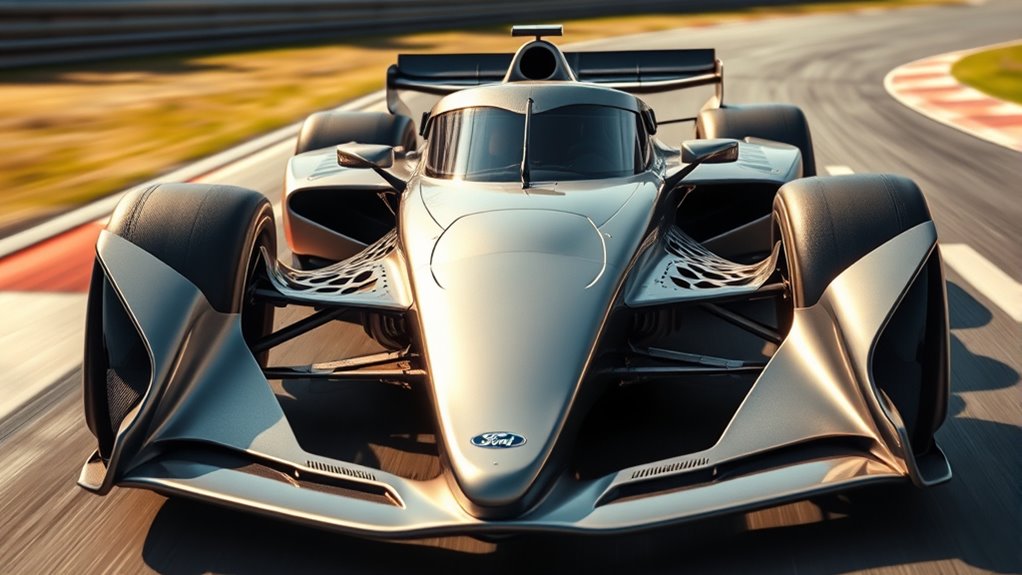
Have you ever wondered how race cars stay glued to the track at high speeds? It’s all thanks to advanced aerodynamic systems that adjust on the fly to enhance performance. One of the key components in active aerodynamics is adaptive flaps, which are designed to modify a vehicle’s aerodynamic profile in real time. These flaps can change their angle or position, allowing the car to adapt instantly to different driving conditions. When you’re pushing the limits on a race track, these adaptive flaps help increase downforce during cornering, giving you better grip and stability. Conversely, they can flatten out to reduce drag on straightaways, helping you achieve higher speeds and improved efficiency. This dynamic adjustment enhances overall aerodynamic efficiency, making the car more agile and responsive.
The beauty of adaptive flaps lies in their ability to react swiftly to changing conditions. Sensors detect variables like speed, steering input, and airflow, sending real-time data to electronic control units. These systems then adjust the flaps accordingly, either raising or lowering them to optimize airflow. By doing this, the car maintains an ideal balance between downforce and drag, which is vital for high-performance driving. Without such active systems, you’d be stuck with static aerodynamic features that can’t adapt to different parts of the track, limiting your potential. Active aerodynamics, through adaptive flaps, give you the ability to fine-tune your vehicle’s handling on the fly, ensuring that every lap is as efficient and fast as possible. Additionally, the costs associated with advanced vehicle systems can vary depending on the complexity and technology used, which is an important consideration for teams and manufacturers. Moreover, understanding the regulations governing vehicle modifications is crucial to ensure compliance and avoid penalties during competition.
Furthermore, understanding the tax implications of vehicle modifications can be important for budgeting and compliance, especially when investing in advanced aerodynamic systems. This technology isn’t just about speed; it’s about control. You can think of adaptive flaps as the car’s way of “breathing,” adjusting to maximize grip when needed and cut through the air more smoothly when it’s time to accelerate. This responsiveness makes the difference between a good lap and a great one. It also reduces the strain on mechanical parts, as the system can adjust to reduce unnecessary stress during different phases of a race. Moreover, the integration of sensors and electronic controls ensures precise adjustments that optimize vehicle performance. As a result, vehicles equipped with active aerodynamics tend to have better overall stability, faster cornering, and improved fuel efficiency. In essence, adaptive flaps transform the vehicle’s aerodynamics from a static design into a flexible, intelligent system that reacts instantly to your driving demands, ensuring you stay glued to the track and maintain maximum control at all times.
active aerodynamics system for cars
As an affiliate, we earn on qualifying purchases.
As an affiliate, we earn on qualifying purchases.
Frequently Asked Questions
How Do Active Aerodynamics Impact Vehicle Fuel Efficiency?
Active aerodynamics improve your vehicle’s fuel efficiency by reducing drag during high-speed driving. When the system adjusts spoilers, flaps, or vents, it minimizes air resistance, helping you save fuel. You’ll notice better fuel savings on highways or long trips because the aerodynamic components optimize airflow around your vehicle. These enhancements make your drive more economical by decreasing the effort your engine needs to maintain speed, ultimately lowering your fuel costs.
Are Active Aerodynamics Only Used in High-Performance Cars?
Sports car innovations often incorporate active aerodynamics, but they’re not limited to only high-performance cars. You’ll find aerodynamic research driving advancements in everyday vehicles too, aiming to improve efficiency and safety. These systems dynamically adjust to driving conditions, creating an enthralling combination of clever engineering and cutting-edge technology. Whether in luxury sedans or sporty models, active aerodynamics deliver benefits that go beyond just high-speed thrills, enhancing overall driving experience.
What Maintenance Is Required for Active Aerodynamic Systems?
You need to regularly perform sensor calibration and system diagnostics on your active aerodynamic systems to keep them functioning properly. Check for any sensor misalignments or errors, and make certain all components are clean and free of debris. Periodic software updates might also be necessary. By maintaining these systems well, you guarantee peak performance and safety, preventing unexpected malfunctions that could affect your vehicle’s handling and stability.
How Do Active Aerodynamics Affect Vehicle Handling in Different Conditions?
You’ll feel the thrill as active aerodynamics boost your vehicle’s stability and cornering performance in various conditions. When speeds increase or road surfaces change, these systems adapt instantly, enhancing grip and control. In rain or windy weather, they optimize airflow, preventing loss of traction. This real-time adjustment keeps you confident behind the wheel, making every turn safer and more precise, no matter what the driving environment throws your way.
Can Active Aerodynamics Be Customized for Individual Driving Preferences?
Yes, active aerodynamics can be tailored for your individual driving preferences through adaptive customization. You can adjust settings to enhance handling, stability, or fuel efficiency based on your style. Many vehicles offer configurable modes that let you tailor aerodynamic features like spoilers and vents to suit your needs. This personalized approach guarantees you get maximum performance and comfort, making your driving experience more enjoyable and aligned with your preferences.
As an affiliate, we earn on qualifying purchases.
Conclusion
Active aerodynamics revolutionize how your vehicle handles, improving stability and efficiency on the road. By adjusting components in real-time, these systems can reduce drag by up to 10%, saving fuel and enhancing performance. As technology advances, expect even smarter aerodynamic features that adapt seamlessly to your driving style. Embrace this innovation to experience safer, more efficient driving—it’s a game-changer worth watching.
vehicle downforce adjustment kit
As an affiliate, we earn on qualifying purchases.
As an affiliate, we earn on qualifying purchases.
high performance aerodynamic components
As an affiliate, we earn on qualifying purchases.
As an affiliate, we earn on qualifying purchases.
Halloween Picks
halloween
As an affiliate, we earn on qualifying purchases.