When your check engine light comes on, first assess safety by checking for odd smells, smoke, or rough engine behavior, and pull over if necessary. Turn off the engine, tighten the gas cap, and restart to see if the light clears. Use an OBD-II scanner to check codes and act accordingly—address simple issues first and avoid driving if the light flashes or there are severe symptoms. Staying calm and acting fast can save money; learn more to handle almost any situation confidently.
Key Takeaways
- Safely pull over and turn off the engine if you notice severe symptoms or flashing warning lights.
- Check and tighten the gas cap, then restart the engine to see if the light resets.
- Use an OBD-II scanner to retrieve trouble codes for quick diagnosis and severity assessment.
- Observe odors, smoke, or engine behavior to identify urgent issues before continuing to drive.
- Prioritize simple fixes first, like tightening connections or resetting the system, to save money and prevent further damage.
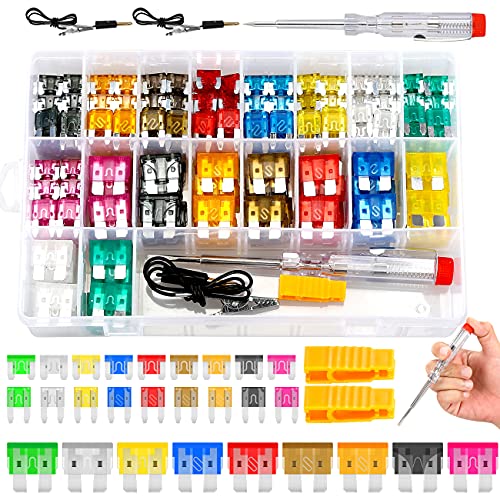
Fuse Assortment Kit,306pcs Car Boat Truck SUV Auto Automotive Assorted Replacement Blade Fuses Standard & Mini & Low Profile Mini-2A 5A 7.5A 10A 15A 20A 25A 30A 35A with Fuse Puller Circuit Tester
306PCS FUSES KIT: A full fuse set of 3 different sizes : Standard & Mini & Low Profile...
As an affiliate, we earn on qualifying purchases.
Immediate Safety Check and Observation

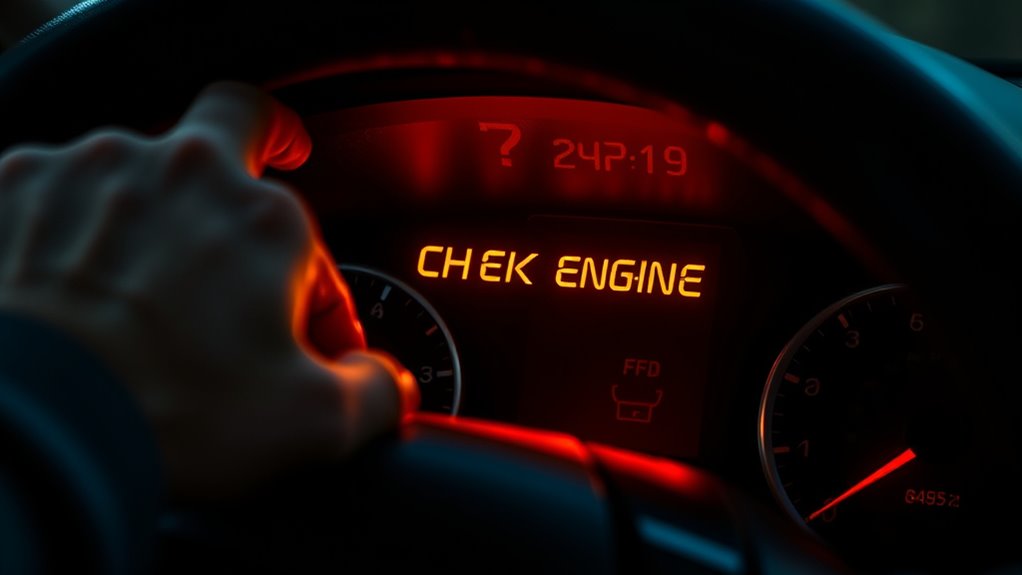
When you notice the check engine light come on, your first priority is to guarantee your safety. Begin by checking the dashboard: determine if the light is steady or flashing. A flashing CEL indicates an active misfire that can damage the catalytic converter, so act immediately. Observe the engine’s behavior—if it runs roughly, loses power, stalls, or makes abnormal noises, reduce your speed or stop driving. Smell for strong fuel, sulfur, or rotten-egg odors, and look for smoke from the exhaust, as these signals potential fuel system or converter issues. Assess drivability—if the vehicle feels abnormal, safely pull over and turn off the engine. Scan for other warning lights, like oil or temperature, to identify broader system failures that could pose safety risks. Recognizing early warning signs helps prevent costly repairs and ensures your safety during unexpected vehicle issues. Additionally, understanding vehicle system diagnostics can aid in quick troubleshooting and appropriate response. Being familiar with common warning indicators can further assist in determining the severity of the problem before professional help is needed. Recognizing precise sensor readings can also provide valuable insights into underlying issues that may not be immediately apparent. Knowing how to interpret these signals is crucial for effective problem diagnosis, especially in urgent situations.

Ansbell Car Circuit Tester Fuse Tester Automotive Current Tester Blade Fuse Max 48V, Circuit Measure AmpFuse Buddy, Automotive Blade Checker Fuses Box Current Test
Precision Measurement - The automobile current tester is engineered for high-accuracy electrical current measurements in automotive applications. Can...
As an affiliate, we earn on qualifying purchases.
Quick Driver Actions to Reduce Risk

After verifying safety and observing any abnormal signs, taking immediate driver actions can help prevent further damage and clarify the situation. First, tighten and recheck your gas cap; a loose cap is a common cause of the CEL and easy to fix. Next, cycle the ignition—turn the engine off, wait 30–60 seconds, then restart—to see if the light clears, especially for transient faults. Reduce load by turning off the HVAC, accessories, and cruise control, and drive conservatively to lessen engine stress. Avoid towing or high-load driving if you suspect catalytic converter issues or misfires, as this can cause overheating. To conclude, note any symptoms, driving conditions, or odors; this information helps you and your mechanic diagnose the problem accurately.

1/2" Digital Torque Adapter, (±1% Accuracy, 7.4-150Ft-lb) Digital Torque Wrench Adapter for Auto, with Upgrade Color Display, Versatile Meter - Smart Alert | Peak/Track | Preset | Store/Delete(203N.m)
Intuitive Display with Smart Alerts: 1.4-inch LCD color screen (long press "U" to switch between green, blue, red)...
As an affiliate, we earn on qualifying purchases.
Diagnostic Triage and Code Interpretation

When you read diagnostic codes, focus on understanding whether the issue is urgent or can wait. Prioritize flashing codes, especially misfire alerts, since they pose immediate risks to your catalytic converter and engine. Correct interpretation helps you make informed decisions about repairs and whether to seek professional help right away. Recognizing critical safety concerns in your diagnostic codes ensures you respond promptly to issues that could compromise your vehicle’s safety and longevity. Being aware of the impact of cookies and how they relate to privacy can also help you manage your online browsing when researching vehicle issues. Additionally, understanding hot roller features can assist you in styling your vehicle’s appearance if you’re exploring cosmetic repairs or enhancements. Knowing how to identify diagnostic trouble codes accurately can further streamline your troubleshooting process and reduce unnecessary repairs. Familiarity with glycolic acid benefits may also be useful if you’re considering skincare products to maintain your appearance during vehicle repairs.
Reading Diagnostic Codes
Reading diagnostic codes is the first step in pinpointing the cause of a check engine light. Using an OBD-II scanner, you can quickly retrieve trouble codes stored in your vehicle’s computer. These codes, like P0420 or P0171, hint at specific issues such as catalytic converter problems or fuel trim concerns. Pay attention to whether the codes are steady or flashing; flashing codes often signal urgent faults like misfires that threaten your engine. Cross-reference the codes with symptoms and common causes, such as a loose gas cap or faulty oxygen sensors. This targeted approach helps you assess whether you can handle minor fixes yourself or need professional help. Accurate code reading saves money by narrowing down repairs and preventing unnecessary part replacements.
Prioritizing Urgent Faults
Prioritizing urgent faults requires quick interpretation of diagnostic trouble codes (DTCs), especially distinguishing between steady and flashing signals. Flashing codes often indicate active misfires that can damage the catalytic converter, making them more critical. Steady codes usually point to less immediate issues but still need attention. Your goal is to identify what’s most pressing to prevent costly repairs.
- Focus on flashing codes that suggest misfires or catalytic converter risks, which demand immediate action.
- Cross-reference DTCs with symptoms like engine roughness, loss of power, or strange smells to assess urgency.
- Use quick estimates of repair costs for severe issues—like catalytic converter replacements—to decide if towing or professional help is needed.
- Additionally, understanding the contrast ratio of your vehicle’s diagnostic signals can help determine the severity and visibility of warning lights, aiding in prioritization.
- Recognizing the diagnostic signal characteristics can improve your ability to judge the urgency and prevent unnecessary service visits.
Klein Tools ET310 AC Circuit Breaker Finder, Electric and Voltage Tester with Integrated GFCI Outlet Tester
ACCURATE CIRCUIT BREAKER IDENTIFICATION: Quickly locate the correct breaker with precision using our circuit breaker finder, ensuring efficient...
As an affiliate, we earn on qualifying purchases.
Cost-Effective Troubleshooting Steps

Start with simple, low-cost fixes like tightening your gas cap or cycling the ignition to clear minor codes. Use diagnostic trouble codes to identify the likely causes before replacing expensive parts, avoiding unnecessary expenses. Remember, most problems can be fixed without jumping straight to costly repairs—so focus on targeted troubleshooting first. Additionally, understanding the net worth or background of your vehicle’s components can help in diagnosing issues more effectively. Knowing the basic functioning of your car’s systems can also streamline the troubleshooting process and prevent misdiagnosis. For example, being aware of the support breakfast options available can help you plan a nutritious start to your day, ensuring you’re energized and focused on resolving your vehicle issues efficiently. Recognizing the common repair procedures can further guide you in making informed decisions during troubleshooting. Familiarity with heat distribution and material properties can also assist in understanding how different components may affect performance and diagnostics.
Prioritize Low-Cost Fixes
When your check engine light comes on, tackling simple, low-cost fixes first can save you time and money. Start with easy steps that don’t require expensive tools or parts. For example, reseat or tighten the gas cap—this common cause often clears the light. Next, cycle the ignition by turning the engine off, waiting 30 seconds, then restarting to see if the light resets. Finally, reduce engine load by turning off unnecessary accessories and driving conservatively to prevent further damage.
- Tighten or replace the gas cap
- Reset the ECU by cycling ignition
- Drive cautiously and reduce load to lower stress
Use Diagnostic Codes
Using diagnostic trouble codes (DTCs) is a smart, cost-effective way to identify the root cause of a check engine light. With an OBD-II scanner, you can quickly retrieve these codes, which point directly to specific issues like a failing oxygen sensor or misfiring cylinder. Interpreting whether codes are steady or flashing helps prioritize urgency—flashing codes often signal severe problems like misfires that threaten your catalytic converter. Cross-referencing codes with symptoms narrows down potential causes, saving you from unnecessary part replacements. Quick online research or industry guides can provide estimated repair costs for each code. This targeted approach prevents costly guesswork, helping you decide whether to attempt repairs yourself, seek professional help, or plan a tow, ultimately saving time and money. Additionally, understanding herbal teas and their effects can help you stay relaxed and reduce stress during car troubles. Knowing the diagnostic process can further empower you to handle minor issues confidently before seeking professional assistance. Being familiar with automotive troubleshooting techniques allows you to approach car problems systematically, reducing the likelihood of overlooking simple solutions. Recognizing angel number patterns can also provide reassuring guidance during stressful situations like car breakdowns, offering emotional support and clarity. Developing a systematic troubleshooting method can enhance your efficiency in diagnosing and fixing issues, minimizing inconvenience.
Avoid Unnecessary Parts
Before replacing costly components, focus on targeted troubleshooting to confirm the actual fault. Jumping to parts replacement without proper diagnosis can lead to unnecessary expenses. Use your diagnostic trouble codes (DTCs) and symptoms to narrow down potential causes. Avoid swapping out parts based solely on assumptions; instead, verify with simple tests or inspections first. This approach prevents overspending on items like catalytic converters, oxygen sensors, or ignition coils that might still be functional. Additionally, inspecting for Free Floating issues can help identify unanticipated causes of the warning light. Knowing how to negotiate lease terms or understand vehicle warranties can also save you money if the problem is related to coverage or repairs covered under warranty.
Deciding When to Continue or Tow

Deciding whether to continue driving or to tow your vehicle hinges on evaluating the severity of the check engine light and associated symptoms. If the CEL is flashing or you’re experiencing power loss, rough running, or engine stalling, stop immediately and arrange a tow. These signs often indicate serious issues like misfires or catalytic converter damage that can lead to costly repairs if ignored. Conversely, if the light is steady and there are no noticeable symptoms—like strange odors, rough idle, or dashboard warnings—you might cautiously continue to a nearby repair shop. Use your judgment based on engine behavior, odors, and warning lights. When in doubt, prioritizing safety and avoiding further damage by towing is the best choice.
Prioritizing Low-Cost Fixes First
When you notice a check engine light, starting with low-cost fixes can save time and money. Many issues are simple and inexpensive to resolve, preventing unnecessary repairs. Begin by tightening or reseating the gas cap, as a loose cap is a common cause and easy fix. Next, clear any loose connectors or sensors that might trigger a false reading. If you have an OBD-II scanner, read the codes—many are straightforward and linked to minor problems like a faulty oxygen sensor or dirty mass airflow sensor. Addressing these small issues first reduces the risk of further damage and costly repairs down the line. Remember, tackling the cheapest fixes early keeps your expenses low and helps you decide whether professional help is needed.
Start with simple fixes like tightening the gas cap and checking sensors to prevent costly repairs.
- Tighten and reseat gas caps
- Clear loose connectors or sensors
- Use an OBD-II scanner to read codes
Recognizing Signs of Urgent Repairs

Certain warning signs indicate that your check engine light requires immediate attention. If you notice a flashing CEL, severe rough running, or loss of power, stop driving right away. Strong fuel or sulfur odors, smoke from the exhaust, or engine overheating are red flags signaling urgent repairs. Also, check for other warning lights, like oil or temperature alerts, which can point to serious issues needing quick action.
| Sign | Severity | Recommended Action |
|---|---|---|
| Flashing CEL | Critical, risk of catalyst damage | Pull over and stop immediately |
| Loss of power | Urgent, possible engine failure | Safely park and diagnose |
| Strong odors or smoke | High risk, potential fire hazard | Stop and inspect |
| Overheating engine | Serious, engine damage risk | Stop and let cool down |
Planning for Professional Service and Prevention
Proactively planning for professional service and implementing preventive measures can substantially reduce the likelihood of future check engine light issues. Regular maintenance and early diagnostics help catch problems before they escalate. You should:
Proactive maintenance and early diagnostics prevent future check engine light problems.
- Schedule routine inspections and adhere to manufacturer recommended service intervals, such as replacing spark plugs, filters, and sensors.
- Keep detailed records of repairs, diagnostics, and parts replaced to identify patterns and support warranty claims.
- Use quality parts and proper diagnostics to make certain repairs are effective and durable, reducing the chance of recurring problems.
Frequently Asked Questions
Can I Drive With a Steady Check Engine Light Safely?
You can usually drive with a steady check engine light safely for a short distance, but it depends on the symptoms. If your vehicle runs smoothly, no strange noises, and no other warning lights appear, it’s often okay to proceed cautiously. However, you should get it checked promptly using an OBD-II scanner or a mechanic’s diagnostic to prevent potential damage, especially if the light changes or you notice performance issues.
How Long Should I Wait After Turning off and Restarting the Engine?
You should wait at least 30 to 60 seconds after turning off your engine before restarting it. This pause allows the vehicle’s computer system to reset temporarily, helping you determine if the check engine light was caused by a transient fault. If the light stays off after restarting, you might be okay to continue driving cautiously. However, if it comes back on or flashes, stop immediately and consider professional diagnostics.
Is a Loose Gas Cap the Most Common Cause of a CEL?
A loose gas cap is indeed one of the most common causes of a check engine light. It’s simple to fix—just tighten the cap properly and wait for the system to reset. If the light stays on after a few drives, then other issues like sensors or emissions components could be the culprit. Always check the cap first, as it’s a low-cost fix that often clears the warning quickly.
What Are the Risks of Ignoring Intermittent Check Engine Lights?
Ignoring intermittent check engine lights is like ignoring warning signals from a trusted friend—eventually, you risk missing critical clues. These fluctuations can hide underlying issues like misfires or sensor problems that worsen over time. If left unchecked, they may lead to costly damage, reduced efficiency, or failing emissions tests. Stay alert, address these signals promptly, and prevent small issues from becoming overwhelming, much like tending a fragile balance before it tips.
When Is It Cost-Effective to Replace the Catalytic Converter Immediately?
You should replace the catalytic converter immediately if you have a persistent, flashing check engine light with severe drivability issues or engine overheating. If diagnostic codes point to a failing catalytic converter or if there’s strong smell, smoke, or engine damage signs, prioritize urgent replacement. Delaying can cause further damage and costly repairs, so consult a mechanic promptly to assess whether immediate replacement is necessary for your safety and to prevent expensive downstream repairs.
Conclusion
Staying calm during a check engine light is like steering a ship through fog—you need clear steps to navigate safely. By acting quickly, observing carefully, and tackling simple fixes first, you can save money and avoid unnecessary stress. Remember, not every warning means disaster, but ignoring it is like ignoring a warning bell in a storm. Trust your instincts, prioritize safety, and when in doubt, call in the pros to keep your journey smooth and worry-free.