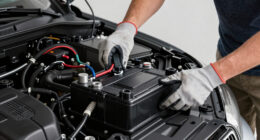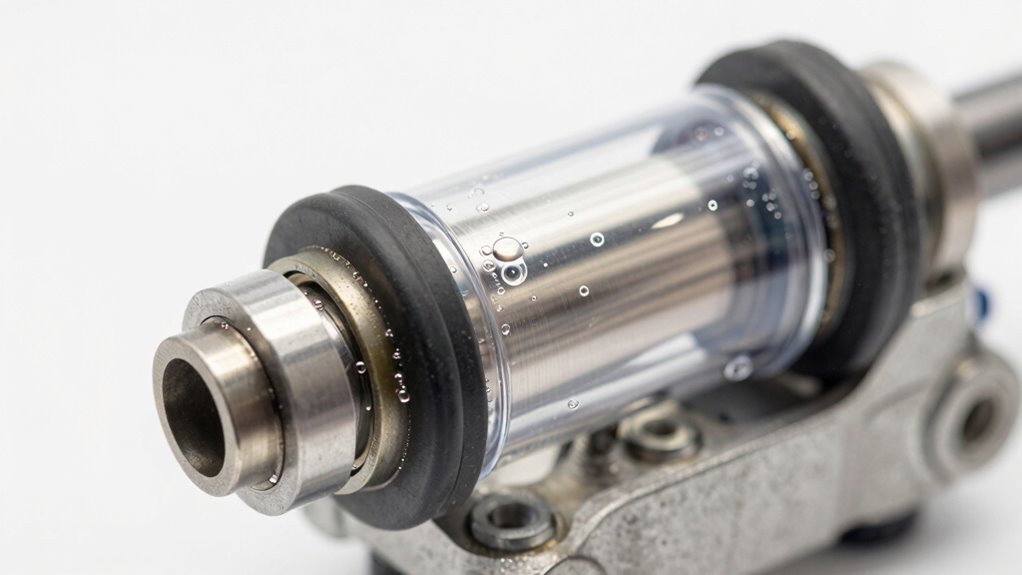
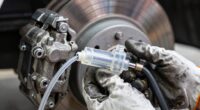
Vacuum bleeding uses a pump to create a negative pressure that pulls air and bubbles out of your brake system, helping to evacuate trapped air so the hydraulic fluid flows smoothly. While it doesn’t directly suck bubbles away, the vacuum encourages air to migrate toward the reservoir or out through the hose. Sometimes tiny pockets of air cling to internal surfaces, making bubble removal tricky. Keep exploring to understand how to improve your bleeding process.
Key Takeaways
- Vacuum bleeding uses a pump to create negative pressure, encouraging trapped air bubbles to move outward from brake lines.
- The process doesn’t directly extract bubbles but promotes their migration toward the reservoir or hose outlet.
- Visible bubbles in the clear hose indicate air is being pulled from the system during vacuum application.
- Tiny air pockets can cling to internal surfaces, making complete removal difficult even with vacuum bleeding.
- Maintaining clean, fresh hydraulic fluid enhances the effectiveness of bubble removal during vacuum bleeding.
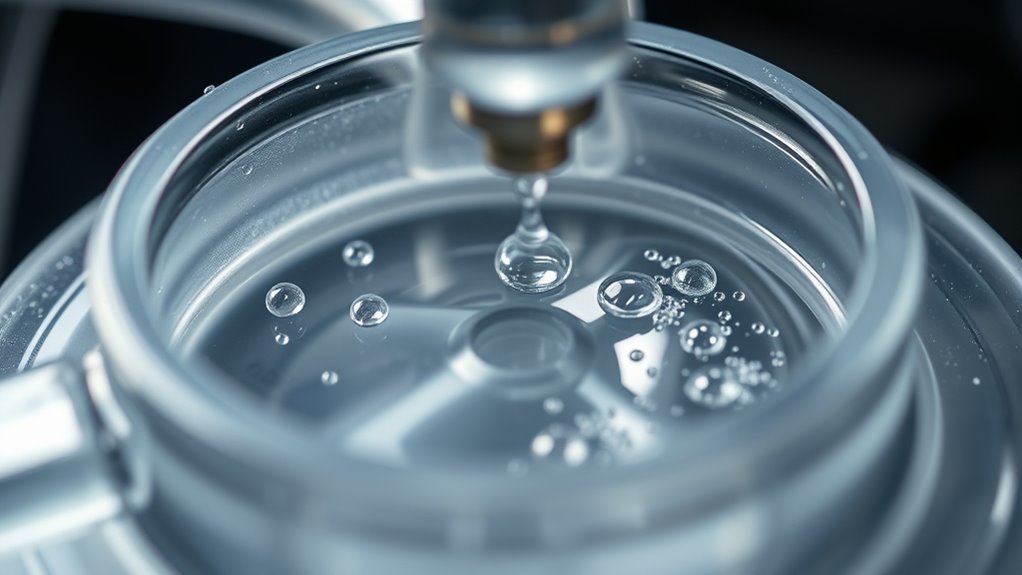
Vacuum bleeding is a straightforward process used to remove air from your vehicle’s brake system, ensuring peak performance and safety. When you’re working on your vehicle’s braking systems, you want to make sure the hydraulic fluid flows smoothly without air pockets that can compromise braking efficiency. Air in the system compresses under pressure, which makes your brake pedal feel soft or spongy, reducing your ability to stop quickly and safely. Vacuum bleeding helps eliminate these air bubbles, restoring the hydraulic fluid’s proper function and ensuring your brakes respond exactly as they should.
Vacuum bleeding removes air from brakes, restoring proper fluid flow and ensuring safe, responsive stopping power.
The process involves connecting a vacuum pump to the brake master cylinder or brake caliper, depending on the system’s design. As you activate the pump, it creates a vacuum that pulls the hydraulic fluid through the brake lines. Because the vacuum pulls in fluid from the master cylinder or calipers, it also pulls any trapped air along with it. This method is often preferred because it’s less messy than traditional gravity bleeding and can be more efficient, especially in hard-to-reach areas of the braking system.
You might notice that sometimes, during vacuum bleeding, you see bubbles in the clear hose connected to the pump. These bubbles are air trapped in the brake lines, and the vacuum pulls them toward the reservoir or out through the hose. With each cycle, you’ll observe fewer bubbles, indicating that most of the air has been removed. However, sometimes, the process can seem to “pull” bubbles even after most of the air is gone. This happens because tiny air pockets can cling to the internal surfaces of brake lines or components, making them difficult to dislodge completely. This is why understanding the fluid dynamics within the brake system can help explain why bubbles may persist during bleeding.
That’s why a common misconception is that vacuum bleeding pulls bubbles out of the system directly. In reality, it’s more about creating a pressure differential that encourages trapped air to migrate toward the outlet. As you continue the process, the hydraulic fluid becomes clearer and free of bubbles, signaling that the system is properly bled. Keep in mind that using fresh, clean hydraulic fluid during this process is vital because old or contaminated fluid can introduce new air or moisture, compromising brake performance.
Top picks for "vacuum bleed explain"
Open Amazon search results for this keyword.
As an affiliate, we earn on qualifying purchases.
Frequently Asked Questions
Can Vacuum Bleeding Be Used on All Brake Systems?
Vacuum bleeding can be used on most brake systems, but you should always check for brake fluid contamination and inspect the master cylinder first. Some systems, especially those with complex or sealed designs, may require alternative methods. Always follow manufacturer guidelines to guarantee proper bleeding. Using vacuum bleeding helps remove air bubbles efficiently, but inspecting the master cylinder prevents issues caused by contamination, ensuring your brake system remains safe and effective.
What Are Common Signs of Improper Vacuum Bleeding?
You’ll notice signs of improper vacuum bleeding if your brake pedal feels spongy or sinks slowly under pressure. Air pocket formation can cause this, leading to poor brake response. Additionally, brake fluid contamination might occur if bubbles persist or if you see debris in the fluid. These issues indicate that the vacuum bleeding process wasn’t fully effective, so you should re-bleed the system to guarantee safe, reliable braking performance.
How Long Does a Typical Vacuum Bleeding Process Take?
Typically, vacuum bleeding takes about 15 to 30 minutes, but it depends on your brake fluid properties and the bleeding sequence you follow. You should monitor the fluid for bubbles and guarantee the reservoir stays topped up. As you work through the sequence, the process speeds up once the air is cleared. Keep steady pressure on the vacuum, and you’ll have fresh, bubble-free brakes in no time.
Is Special Equipment Needed for Vacuum Bleeding?
You don’t need much special equipment for vacuum bleeding—just a proper vacuum pump, a clear hose, and brake fluid. The pump creates a vacuum that pulls brake fluid through the system, helping remove bubbles efficiently. Make sure to use fresh brake fluid and connect everything tightly to avoid leaks. While some kits come with everything included, you can also use a basic vacuum pump and hoses you already have.
Can Vacuum Bleeding Cause Damage to Brake Components?
You can avoid damage to brake components with proper vacuum pump maintenance, as mishandling can cause issues. While vacuum bleeding itself is safe, if you neglect contamination control, brake fluid can become contaminated, leading to corrosion or damage over time. Think of it as walking on thin ice—you need to be cautious. Using the right equipment and following procedures prevents harm, ensuring your brake system stays in top shape without risking damage.
Conclusion
Now that you know the secret behind vacuum bleeding, you’re practically a brake system wizard! This simple technique can save you from the chaos of endless air bubbles and brake failures—it’s like having a superpower. So, next time your brakes act up, remember: a little vacuum can fix even the worst bubble invasion. Master this trick, and you’ll be unstoppable on the road, turning brake nightmares into smooth, reliable stops every single time!