In your garage, mixing chemicals like bleach with acids or ammonia can release toxic gases such as chlorine or chloramine vapors, which are highly dangerous. Combining pool shock with organic materials or solvents can cause violent reactions, explosions, or toxic fumes. Never mix different drain cleaners or combine fuels and solvents with oxidizers, as these can lead to fires, explosions, or harmful fumes. To keep safe, learn about proper storage and how to handle spills properly—important details that you’ll want to know more about.
Key Takeaways
- Never mix acids like hydrochloric acid with caustic cleaners such as sodium hydroxide, as it releases heat and toxic chlorine gases.
- Avoid combining bleach with ammonia or acids to prevent the formation of deadly chloramine or chlorine gases.
- Do not mix pool shock (calcium hypochlorite) with organic materials or solvents, which can produce toxic gases and cause fires or explosions.
- Keep different drain cleaners separate, especially acids and caustics, to prevent violent, heat-generating reactions.
- Store fuels, solvents, and oxidizers separately to prevent dangerous reactions, fires, or explosions.

Universal Spill Kit OSHA Approved – Biohazard Clean up Kit for Oil, Water & Chemicals | 15 Absorbent Pads, 2 Socks, PPE, Biohazard Bags in Bright Orange Duffel Bag
Universal Spill Coverage – Industrial-grade universal absorbent system absorbs oil, water, coolants, solvents, and most non-aggressive fluids; ideal…
As an affiliate, we earn on qualifying purchases.
As an affiliate, we earn on qualifying purchases.
The Dangers of Mixing Bleach With Acids or Ammonia
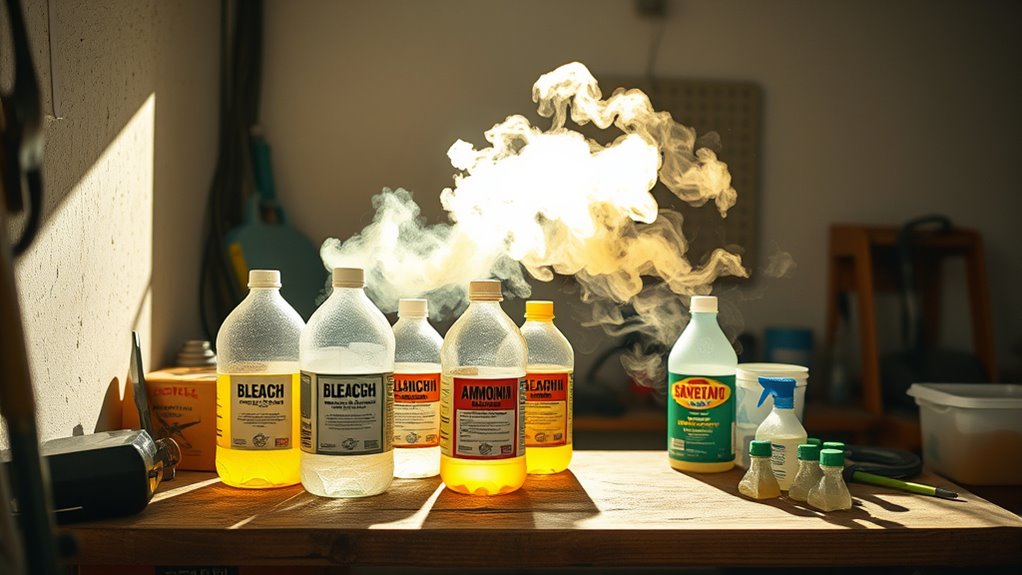
Mixing bleach with acids or ammonia can be extremely dangerous because it causes the release of toxic gases that can harm you instantly. When you combine bleach, which contains sodium hypochlorite, with acids like toilet bowl cleaners or vinegar, it produces chlorine gas—a highly irritating substance that can cause severe respiratory issues, chest pain, and even pulmonary edema. Similarly, mixing bleach with ammonia results in chloramine vapors, which can lead to coughing, shortness of breath, and eye irritation. These gases are not only irritating but also potentially deadly in high concentrations. Always keep bleach separate from acids and ammonia-based products. If accidental mixing occurs, evacuate immediately, get fresh air, and seek medical attention if you experience difficulty breathing or irritation.

Sterilite 4 Shelf Cabinet, Lockable Utility Storage w/ Adjustable Shelves, Gray – Plastic Shelving Unit for Organizing Garage, Pantry, Basement, Laundry Room or Mudroom
Dimensions & Size: Exterior measures 25 5/8" x 18 7/8" x 69 3/8", with interior shelf dimensions of…
As an affiliate, we earn on qualifying purchases.
As an affiliate, we earn on qualifying purchases.
The Risks of Combining Pool Shock With Organic Materials and Solvents

Did you know that combining pool shock chemicals with organic materials or solvents can cause dangerous reactions? Pool shock, often calcium hypochlorite, is a strong oxidizer that reacts violently with organic substances like fuels, grease, or solvents. When these come into contact, they can produce intense heat, releasing toxic gases or even sparking fires or explosions. The reaction can generate chlorine gas, which irritates your eyes, nose, and lungs, and poses serious health risks if inhaled. Additionally, the heat from the reaction could ignite nearby flammable materials, leading to fires. Proper storage practices are essential to prevent accidental mixing of incompatible chemicals and ensure a safe environment. Never mix pool shock with oil-based paints, solvents, or organic cleaners. Always store chemicals separately, and handle pool chemicals with caution to prevent hazardous reactions that could endanger your safety and property. Being aware of chemical reactivity can help you recognize and prevent dangerous situations before they occur. Understanding oxidizer hazards is crucial to maintaining a safe workspace and avoiding unintended chemical reactions. Awareness of material compatibility is also critical to prevent accidents caused by incompatible substances.
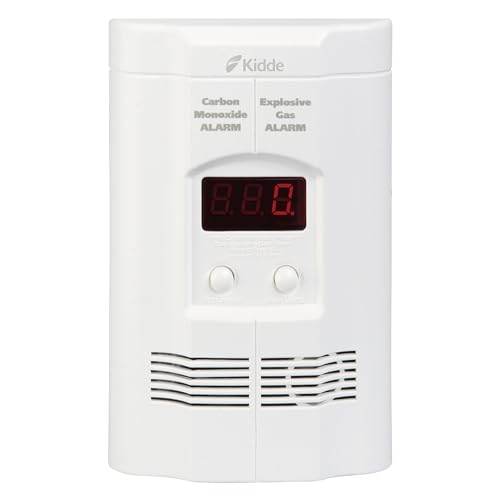
Kidde Carbon Monoxide + Explosive Gas, Natural Gas & Propane Alarm, Plug-in with 9V Battery Backup, Digital Display, 85 dB Alarm, LED Status Indicators, 3rd Edition
Easy Installation – simply plug-in to a standard, 120V outlet in your home
As an affiliate, we earn on qualifying purchases.
As an affiliate, we earn on qualifying purchases.
Why You Should Never Mix Different Drain Cleaners

Combining different drain cleaners can trigger dangerous chemical reactions that pose serious health and safety risks. Mixing acids with caustics creates violent exothermic reactions, releasing toxic fumes and splashes. For example, combining sulfuric acid-based cleaners with sodium hydroxide produces heat, steam, and potentially explosive bursts. To visualize the hazards:
| Acidic Cleaner | Caustic Cleaner | Resulting Reaction |
|---|---|---|
| Hydrochloric | Sodium hydroxide | Fumes, splashes, heat |
| Sulfuric | Potassium hydroxide | Violent bubbling, burns |
| Oxidizing agent | Organic solvent | Fire, toxic gas release |
These reactions can cause severe burns, respiratory issues, or explosions. Never mix drain cleaners, as the risks far outweigh any perceived benefit, and always follow label instructions for proper use. Understanding chemical reactions is essential to prevent accidents and protect your safety.

ThxToms Chemical Resistant Nitrile Gloves, Resist Household Acid, Alkali, Solvent and Oil, Latex Rubber Free, 1 Pair Medium
【Heavy-Duty Chemical Resistance】High-end nitrile gloves possess excellent chemical resistance, providing a tough barrier against harsh substances such as…
As an affiliate, we earn on qualifying purchases.
As an affiliate, we earn on qualifying purchases.
Hazards of Combining Fuels or Solvents With Strong Oxidizers
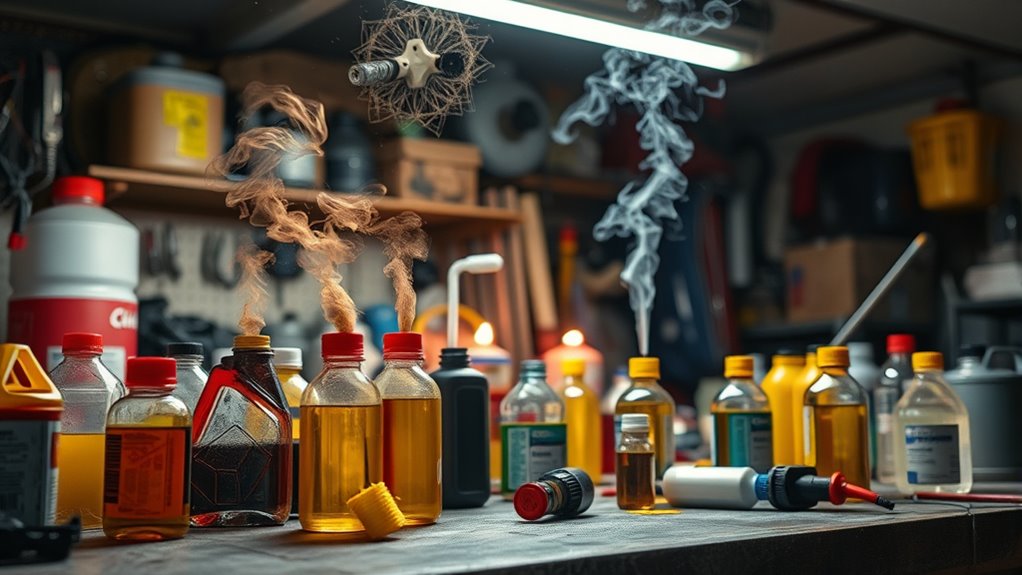
Mixing fuels or solvents with strong oxidizers can cause dangerous chemical reactions that lead to fires or explosions. These combinations often produce toxic gases and heat, increasing the risk of respiratory harm and serious injuries. Always keep these chemicals separate to prevent hazardous incidents in your garage. Proper storage of hazardous chemicals is essential to minimize risks associated with chemical reactions. Additionally, understanding thermal behavior can help prevent unintended reactions caused by temperature fluctuations.
Risk of Fire and Explosion
Fuels and solvents are highly flammable substances that pose a serious fire and explosion risk when exposed to strong oxidizers commonly found in garage chemicals. Mixing these creates a highly reactive environment, where even small sparks can ignite a blaze or cause an explosion. When fuels or solvents interact with oxidizers like calcium hypochlorite or sodium chlorite, they release heat, produce volatile gases, and can rapidly propagate flames. The table below illustrates potential chemical pairings and their dangerous outcomes:
| Fuel/Solvent | Oxidizer | Hazard |
|---|---|---|
| Gasoline, alcohols | Calcium hypochlorite | Fire or explosion |
| Paint thinners, acetone | Sodium chlorite | Flammable vapors ignite |
| Diesel, kerosene | Hydrogen peroxide | Violent reaction |
| Oil-based solvents | Potassium permanganate | Heat, fire, or explosion |
| Propane, LPG | Chlorine-based pool chemicals | Combustion, toxic gases |
Always store chemicals separately and avoid mixing to prevent catastrophic reactions. Understanding chemical reactivity is essential for safe handling and storage. Additionally, proper storage practices can help minimize the risk of accidental mixing and dangerous reactions. Recognizing chemical incompatibilities is crucial for preventing hazardous situations in your garage. Being aware of how reactive substances interact can further enhance safety measures and emergency preparedness. Proper knowledge of chemical safety protocols can also significantly reduce the chance of accidents.
Toxic Gas Generation
Have you considered the dangers of using fuels or solvents near strong oxidizers in your garage? Mixing these chemicals can produce toxic gases that pose serious health risks. When fuels or solvents contact oxidizers like pool chemicals or rust removers, they can ignite or explode, releasing harmful fumes. These fumes may include chlorine gas, nitrogen dioxide, or volatile organic compounds, which can cause respiratory issues, eye damage, or poisoning. Modern kitchen technology emphasizes the importance of safe handling, which applies equally to garage chemical safety to prevent accidental hazards. Additionally, understanding chemical incompatibility can help prevent dangerous reactions in your workspace.
Here are three key hazards to watch out for:
- Chlorine Gas Release: Mixing bleach with acids or oxidizers creates deadly chlorine gas, causing choking, coughing, and lung damage.
- Fire and Explosion: Fuels combined with oxidizers can ignite instantly, releasing toxic fumes and causing fires.
- Toxic Gas Formation: Organic solvents reacting with strong oxidizers produce hazardous vapors that can impair breathing or lead to poisoning.
Dangerous Chemical Reactions
Combining fuels or solvents with strong oxidizers can lead to violent reactions that pose serious safety risks. These reactions generate heat, release toxic gases, or even cause explosions. For example, mixing pool shock (calcium hypochlorite) with organic solvents can ignite or explode unexpectedly. Similarly, combining gasoline or paint thinners with oxidizers may trigger fires or release hazardous fumes. Always remember, incompatible chemicals can react quickly, often without warning, leading to severe injuries or property damage. Understanding chemical reactivity is essential for safe handling and storage of hazardous substances. Being aware of reaction hazards can help prevent dangerous accidents in your workspace. Recognizing chemical incompatibilities can significantly reduce the likelihood of accidental reactions and ensure a safer environment. Staying informed about proper storage techniques helps minimize the risk of unintended chemical interactions. Additionally, material compatibility testing is crucial before mixing or storing chemicals together to prevent unforeseen reactions.
Understanding the Chemical Reactions Between Acidic and Caustic Cleaners
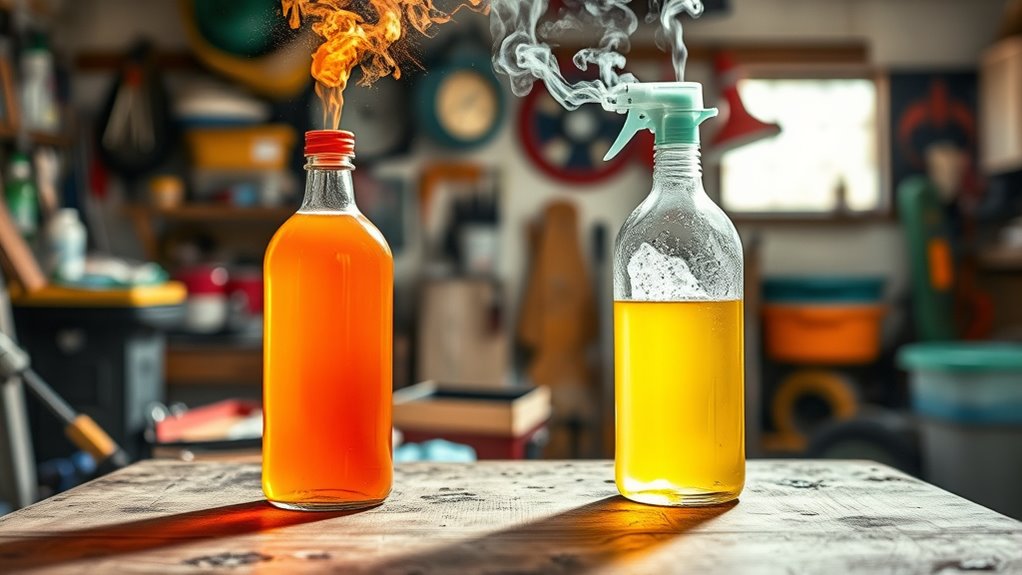
Understanding the chemical reactions between acidic and caustic cleaners is crucial for safe handling and storage. When these chemicals mix, they produce dangerous reactions that can release hazardous fumes, cause splashes, or even explosions. Here’s what you should remember:
- Exothermic reactions: Mixing acids like hydrochloric acid with caustics such as sodium hydroxide generates heat, which can cause containers to burst or splashes to occur.
- Release of toxic gases: Combining acids and caustics produces gases like chlorine or chloramine vapors, both of which irritate your respiratory system and can be deadly.
- Corrosive hazards: The resulting reactions can create highly corrosive substances that cause severe burns to skin, eyes, and mucous membranes if mishandled.
Always keep these chemicals separate and never mix unless specifically instructed.
The Importance of Proper Storage and Labeling to Prevent Accidents

Proper storage and labeling are essential to guarantee accidents and assure safety when handling garage chemicals. Clear labels help you identify each container’s contents, reducing the risk of dangerous mix-ups. Store chemicals in their original containers with tightly sealed lids, and use secondary containment to prevent spills. Keep incompatible substances separate: store oxidizers away from fuels and acids away from alkalines. Use lockable, ventilated cabinets for hazardous materials like pesticides and pool chemicals. Regularly check expiration dates and dispose of outdated products properly. Maintain an organized inventory to avoid accidental cross-contamination. Proper labeling and storage minimize the chances of accidental exposure, reactions, or fires. Understanding electrical concepts is crucial for safe storage of electrical chemicals and ensuring proper handling procedures. Additionally, conducting storage safety tests can help identify potential hazards before accidents occur. Implementing proper ventilation is also important to prevent the buildup of fumes and ensure a safe environment. Ensuring adequate training for everyone handling chemicals can further reduce the risk of mishandling or accidents in your garage. When everyone handles chemicals responsibly, you protect yourself, your family, and your garage environment from preventable accidents.
How to Respond Safely to Chemical Spills and Fume Incidents

When a chemical spill or fume incident occurs in your garage, your first priority is to guarantee safety by acting quickly and calmly. Stay calm and follow these steps:
- Evacuate the area immediately, especially if you suspect toxic fumes like carbon monoxide, chlorine, or VOCs. Get to fresh air and avoid inhaling fumes.
- Ventilate the space if it’s safe—open windows and doors to disperse hazardous vapors. Turn off any sources of ignition or electrical equipment.
- Contain and clean up if you’re trained and equipped with spill kits. Use absorbents and protective gear. For unknown or severe spills, contact emergency services or hazardous material responders.
Never attempt to neutralize chemicals or handle serious spills alone.
Frequently Asked Questions
What Are the Signs of Chemical Reactions in Mixed Garage Chemicals?
When chemicals react in your garage, you’ll notice signs like bubbling, fizzing, or foaming, which indicate a vigorous reaction. You might also see heat buildup, sparks, or even smoke and fumes. Sometimes, containers can swell or leak due to gas buildup. If you observe any of these signs, it’s essential to evacuate immediately, ventilate the area if safe, and call emergency services to handle the situation safely.
How Can I Identify Incompatible Chemicals in My Garage?
You can identify incompatible chemicals by checking their labels and Safety Data Sheets (SDS). Look for warnings about mixing, such as “danger,” “warning,” or specific hazard icons. Store chemicals separately based on their categories—oxidizers away from fuels, acids away from alkalines—and avoid combining products unless you’re certain they’re safe. Always follow manufacturer instructions and keep an updated inventory to prevent accidental dangerous mixes.
What Personal Protective Equipment Should I Use When Handling Chemicals?
You should always wear proper PPE when handling chemicals, even if you think it’s unnecessary. Use chemical-resistant gloves to prevent skin contact, goggles or a face shield to protect your eyes from splashes, and a respirator or mask when working with fumes or VOCs. Long sleeves and aprons provide extra protection. PPE keeps you safe from burns, inhalation risks, and chemical exposure, so never skip wearing it.
Are There Safe Alternative Products to Hazardous Garage Chemicals?
Yes, you can use safer alternatives for garage chemicals. Look for eco-friendly, low-VOC paints, cleaners, and solvents labeled as non-toxic or biodegradable. Use mechanical tools instead of chemical-based lubricants or degreasers when possible. Consider natural cleaning options like vinegar, baking soda, or citrus-based products. Always read labels to verify products are free from hazardous fumes, and store them properly to minimize risks and exposure.
How Often Should Garage Chemical Storage Areas Be Inspected?
You should inspect your garage chemical storage areas at least once every three to six months. Coincidentally, this aligns with seasonal changes when you might be using or replacing chemicals. During inspections, check for leaks, corrosion, expired products, and proper labeling. Confirm lids are secure, incompatible chemicals are segregated, and ventilation is adequate. Regular checks help prevent accidents, spills, and exposure to hazardous fumes, keeping your garage safe year-round.
Conclusion
Never underestimate the danger lurking in your garage fumes. Imagine fumes swirling like silent predators, ready to strike if you mix the wrong chemicals. By respecting proper storage, labeling, and safe handling, you create a barrier against unseen threats. Keep your garage a fortress—where chemical reactions stay contained and fumes stay silent. Your vigilance guarantees a safe space, free from the hidden hazards that threaten to turn everyday chores into dangerous chaos.