To prevent your gear from grinding itself to death, focus on dust management strategies like choosing campsites away from loose dirt and using tarps or waterproof bags to cover your equipment. Handle gear carefully, wipe it down regularly, and store everything in airtight containers when not in use. Keep tent vents closed during dusty conditions and set up windbreaks to minimize dust entry. For more expert tips on maintaining gear in dusty environments, keep exploring this topic.

Get business pricing on garage and car supplies
- Business-only prices and quantity discounts
- Tax-exempt purchasing
- Multiple users, one account, clear invoices
Key Takeaways
- Choose camp locations away from loose dirt and windy areas to minimize dust exposure.
- Cover gear with waterproof bags or tarps to protect against dust settling during setup and rest periods.
- Regularly clean and wipe down equipment to remove dust before it embeds into fabrics or mechanical parts.
- Store gear in airtight containers or plastic bags when not in use to prevent dust accumulation.
- Handle gear carefully during packing and movement to reduce kicking up dust and abrasive wear.

Have you ever noticed how dust can quickly become a problem in camp settings? It’s an issue that sneaks up on you, settling on your gear, making everything look grimy and worn out faster than you expected. Dust mitigation isn’t just about keeping things clean; it’s about protecting your investment in gear and ensuring it lasts through your trip. When dust gets into zippers, fabric, or mechanical parts, it accelerates wear and tear, leading to costly replacements or repairs. That’s why understanding effective dust management is essential to preserve your gear and keep it functioning at its best.
One of the simplest ways to improve dust mitigation is to be mindful of where you set up camp. Choosing a spot away from loose dirt, dry soil, or windy areas reduces the amount of dust that settles on your gear. Elevating your campsite, such as on a platform or using a tarp underneath, can also help prevent dirt from creeping in. Covering your gear with waterproof bags or tarps when not in use acts as an extra barrier, keeping dust from settling into cracks or zippers. Regularly inspecting and cleaning your gear minimizes the buildup of dust particles that can cause abrasion or clogging of moving parts. Using gear that is designed with dust resistance features can further enhance protection in dusty environments.
When you’re moving around, try to minimize kicking up dust by walking on established trails or softer terrain. If you’re packing up or setting down gear, be deliberate about how and where you place items. Use brush or cloth to wipe down equipment periodically, especially after exposure to dusty conditions. Not only does this keep your gear cleaner, but it also prevents dust from embedding itself into fabric fibers or mechanical components. Investing in protective gear like dust covers for your backpack, tent, or sleeping bag can greatly reduce dust infiltration, saving you time and effort during cleanup.
Good ventilation is also essential. When indoors or in a sheltered area, keep windows and vents closed during dusty conditions. If you’re using a tent, consider setting up in an area with some natural windbreaks, like trees or bushes, to reduce dust blowing inside. Proper storage is important; keep your gear sealed in airtight containers or plastic bags when not in use. This prevents dust from settling into delicate parts, which can cause issues later on.
Ultimately, consistent dust mitigation practices are about being proactive. Regularly cleaning and protecting your gear prolongs its lifespan, saving you money and hassle. By staying mindful of your environment and using simple protective measures, you can maintain your equipment’s integrity and focus on enjoying your camp experience without constantly battling dirt and dust. Remember, a little effort upfront goes a long way in preserving your gear and making sure it stays reliable trip after trip.
Products Worth Considering

Autel Home EV Charger up to 50A J1772 Hardwired Level 2 Charger with 25 ft Cable
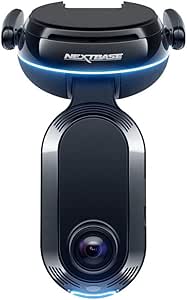
Nextbase iQ 4K Smart HD Dash Cam Pro with 64GB microSD Card – Front and Rear View, 1440p, Smart Sense Parking, Emergency SOS, Roadwatch AI
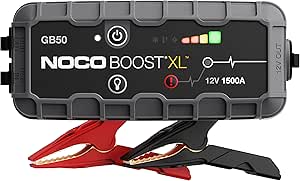
NOCO Boost GB50 1500A UltraSafe Jump Starter, 12V Lithium Battery Booster
As an affiliate, we earn on qualifying purchases.
Frequently Asked Questions
How Often Should Gear Be Cleaned to Prevent Dust Buildup?
You should clean your gear regularly, ideally after every few uses or when you notice dust accumulation. Frequent cleaning prevents dust buildup that can cause wear and damage. Use proper dust removal techniques like compressed air, soft brushes, or damp cloths to gently clear dust from surfaces and crevices. Staying consistent with cleaning frequency guarantees your gear stays in top shape and avoids grinding itself to death over time.
What Types of Dust Are Most Damaging to Camping Equipment?
Did you know fine dust can cause up to 70% of equipment wear? The most damaging dust includes fine particles and abrasive materials like sand and dirt, which can scratch surfaces and clog vents. These particles get into zippers, hinges, and fabric fibers, accelerating wear and tear. To protect your gear, avoid dusty environments, clean equipment regularly, and use covers or filters when possible.
Can Dust Exposure Affect the Longevity of Electronic Devices?
Dust exposure can definitely affect the longevity of your electronic devices. When dust accumulates, it can cause electronic corrosion by trapping moisture and dirt inside, damaging sensitive components. Additionally, dust insulation hampers heat dissipation, leading to overheating and potential failure. Regularly cleaning your devices and keeping dust away helps prevent these issues, ensuring your electronics stay functional longer during your camping adventures.
Are There Specific Storage Solutions to Minimize Dust Accumulation?
You can minimize dust buildup by storing your gear in sealed containers, which keep out airborne particles. Additionally, place your equipment on elevated shelving to prevent contact with dust settled on the ground. Combining these solutions guarantees your devices stay cleaner longer, reducing wear and tear. This simple setup not only preserves your gear’s lifespan but also keeps maintenance easier, especially in dusty environments where dust can quickly cause damage.
How Does Dust Impact the Functionality of Outdoor Cooking Gear?
Dust infiltration can seriously reduce your outdoor cooking gear’s functionality, causing clogs and corrosion over time. It wears down parts, hampers performance, and shortens durability. To protect your gear, keep it covered when not in use, clean it regularly, and store it in dust-proof containers. Doing so helps maintain cooking gear durability, ensures smooth operation, and keeps your camp setup running efficiently even in dusty environments.
Conclusion
By staying vigilant and practicing good dust management, you protect your gear like a shepherd guarding valuable sheep. Dust may seem harmless, but if left unchecked, it can slowly wear down your equipment’s life and performance. Think of your gear as a precious garden—regular tending keeps it flourishing. Keep dust at bay, and your gear will serve you well, standing strong and resilient through every adventure. Don’t let dust be the silent thief of your journey’s strength.