If your vehicle struggles to start after driving hot, heat soak could be the culprit. This happens when residual heat from your engine or exhaust raises the temperature of your starter and solenoid, increasing electrical resistance and reducing their ability to generate torque. You can perform simple checks like feeling the starter’s temperature or inspecting wiring for heat damage. Continue exploring to learn easy ways to prevent and diagnose heat soak effectively.

Get business pricing on garage and car supplies
- Business-only prices and quantity discounts
- Tax-exempt purchasing
- Multiple users, one account, clear invoices
Key Takeaways
- Heat soak occurs when residual engine and exhaust heat increase the starter’s temperature, impairing its function.
- Elevated starter temperatures raise electrical resistance, reducing current flow and causing sluggish or failed starts.
- Signs include difficulty starting after the engine is hot, which can be diagnosed with infrared temperature checks.
- Poor wiring, corroded connections, and lack of heat shields worsen heat soak effects on starter performance.
- Preventative measures include installing heat shields, relocating the starter, upgrading wiring, and inspecting connections regularly.
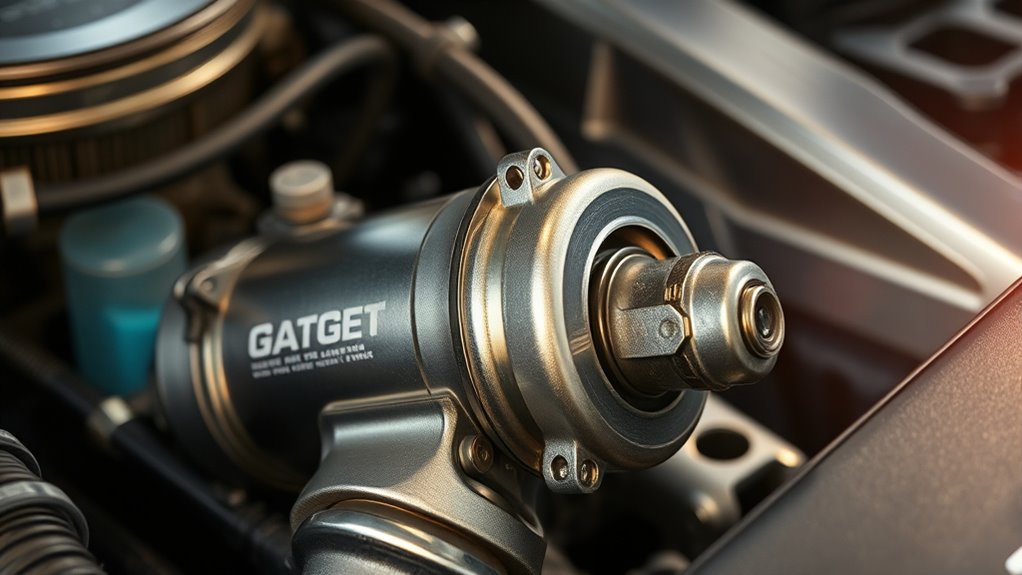
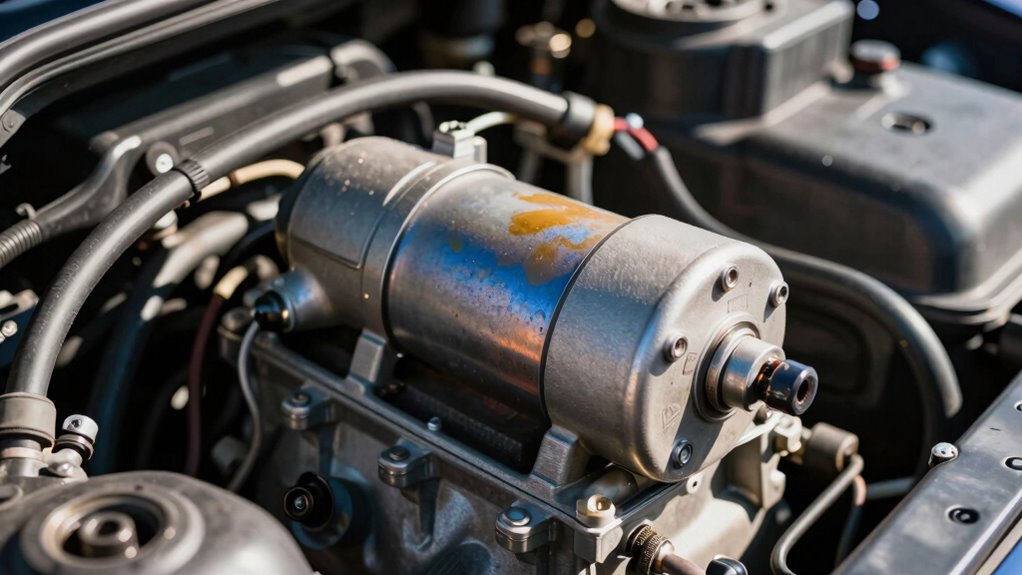
When your vehicle’s starter struggles to turn over after a hot start, heat soak might be the culprit. Heat soak occurs when residual heat from the engine or surrounding components affects the starter, making it less effective. To understand this, consider how thermal transfer plays a role: heat moves from the engine and exhaust parts into the starter motor and solenoid, raising their temperature. As these parts heat up, their ability to function properly diminishes. The increased temperature impacts the electrical resistance within the starter components, especially the solenoid and wiring. When electrical resistance rises, it hampers the flow of current necessary to engage the starter motor, resulting in a sluggish or failed start.
Heat soak increases electrical resistance, causing sluggish starts after engine heat buildup.
You might notice that after driving for a while or shutting off the engine and immediately restarting, the starter has trouble turning over. This is because the heat absorbed during operation causes the internal parts to heat up, increasing electrical resistance. The higher resistance reduces current flow, making it harder for the starter to generate the torque needed to crank the engine. This is a classic sign of heat soak, and understanding the thermal transfer process helps you see why the problem occurs. The heat doesn’t dissipate instantly; it lingers in the starter and nearby components, creating a temporary condition that hampers starting performance. Additionally, high-quality wiring can help reduce electrical resistance and improve current flow during hot conditions.
Diagnosing heat soak involves simple checks. First, observe if the problem only occurs when the engine is hot. If so, it suggests thermal issues. You can also use an infrared thermometer to measure the temperature of the starter and solenoid after a hot restart. Elevated temperatures indicate heat soak. Additionally, inspecting the wiring and connections for corrosion or damage is crucial because poor connections can exacerbate electrical resistance issues. When the starter’s internal resistance increases due to heat, a faulty or loose connection can further impede current flow, making the problem worse.
To prevent heat soak, consider modifications like installing heat shields around the starter or relocating it away from heat sources. Upgrading to high-quality wiring with better resistance properties can also help maintain proper current flow during hot conditions. Regular maintenance and inspections can catch early signs of increased electrical resistance, such as corrosion or frayed wires, before they cause starting issues. By understanding how thermal transfer raises electrical resistance and impairs starter function, you can better diagnose and address heat soak problems, ensuring your vehicle starts reliably, even after a hot engine shutdown.
Frequently Asked Questions
Can Heat Soak Affect Vehicles in Cold Weather?
Yes, heat soak can affect your vehicle in cold weather. When the starter insulation fails to protect against heat, residual heat from the engine can soak into the starter, making it harder to turn over. A compromised cooling system can worsen this issue, causing the starter to overheat even in cold conditions. Regularly inspecting the cooling system and ensuring proper insulation helps prevent heat soak, ensuring reliable starts regardless of temperature.
What Are Signs of a Heat-Soaked Starter?
Imagine your starter’s like a racing horse panting after a sprint—when heat soaks it, symptoms emerge. You’ll notice slow cranking, the engine struggling to turn over, or a clicking sound instead of a smooth start. Sometimes, the heat-soaked starter just refuses to fire up at all. These heat soak symptoms happen because excessive heat from the engine causes the starter to falter, making starting your vehicle a frustrating puzzle.
How Long Does Heat Soak Typically Last?
Heat soak usually lasts around 10 to 20 minutes, depending on thermal insulation and engine compartment temperatures. When your engine and starter get hot, heat can linger after driving or starting, causing the starter to struggle. To prevent this, improve thermal insulation around the starter and ensure proper ventilation. Monitoring engine compartment temperatures helps you understand when heat soak might occur and how long it typically persists.
Are Certain Car Models More Prone to Heat Soak?
You might find it ironic, but some car models with less effective starter insulation and poorer engine bay cooling are actually more prone to heat soak. Sports cars and compact vehicles often suffer more, especially under hot conditions. These designs trap heat around the starter, making hot start problems worse. So, if your ride has minimal insulation or inadequate cooling, expect it to be more susceptible to heat soak issues.
Can Aftermarket Starters Prevent Heat Soak Issues?
Yes, aftermarket starters can help prevent heat soak issues. They often use better starter materials that resist heat better, and some come with cooling modifications like heat shields or improved ventilation. These features keep the starter cooler, reducing the risk of heat soak and ensuring reliable starts, especially in hot conditions. Upgrading your starter with these options can markedly improve performance and longevity, making it a smart investment for your vehicle.
Conclusion
Don’t let starter heat soak leave you stranded. With quick diagnostics and understanding the signs, you can catch the problem early and save yourself from frustrating breakdowns. It’s easy to think it won’t happen to you, but the truth is, ignoring these issues can leave you stranded when you least expect it. Stay proactive, learn the signs, and keep your engine running smoothly—because peace of mind is worth every effort.
Fall Picks
fall essentials
As an affiliate, we earn on qualifying purchases.