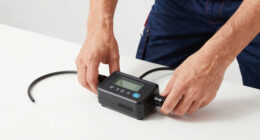
Inverter shutoffs happen when your system’s safety features detect that battery voltage drops below a safe threshold. This low-voltage trigger prevents damage to your batteries and inverter by automatically shutting down the system to avoid risks like over-discharge or electrical hazards. It’s a protective measure built into your setup to keep everything safe and functioning properly. If you want to understand how to manage or prevent these shutdowns, there’s more to explore below.
Key Takeaways
- The low-voltage trigger is a safety feature that activates shutdown to protect batteries and the inverter from damage.
- It detects when battery voltage drops below a set threshold, preventing deep discharge and extending system lifespan.
- Shutoffs occur to avoid malfunction, unstable power output, or potential fire hazards from operating at unsafe voltages.
- Proper battery management, regular monitoring, and maintenance help prevent unnecessary inverter shutdowns.
- Understanding this trigger ensures safer system operation and aids in troubleshooting low-voltage-related shutdowns.
Have you ever wondered why your inverter suddenly shuts off? It can be frustrating, especially when you’re in the middle of an important task. Often, the root cause lies in the inverter’s internal safeguards designed to protect both the device and your power system. One common reason is the low-voltage trigger, which automatically shuts the inverter down when the battery voltage drops below a certain level. This isn’t a random shutdown; it’s a critical safety feature rooted in proper battery management. When your batteries are depleting, the inverter detects the low voltage and responds accordingly to prevent damage to the batteries or the inverter itself.
Battery management plays a crucial role here. If you don’t keep an eye on your batteries’ state of charge, you risk pushing them into unsafe voltage levels. Over-discharge can cause irreversible damage, reducing their lifespan and compromising your entire power setup. When the inverter senses that the battery voltage has fallen too low, it initiates a shutoff to protect the batteries from deep discharge. This safety protocol ensures that your batteries remain healthy, but it can also be a source of confusion if you’re unaware of the low-voltage trigger mechanism. It’s important to understand your inverter’s voltage thresholds and how they relate to your battery’s capacity, so you can avoid unnecessary shutdowns.
Additionally, safety protocols embedded in your inverter are designed to prevent hazardous situations. Low-voltage shutdowns are a part of these safety measures, preventing the inverter from operating under unsafe electrical conditions. Running at low voltage can cause the inverter to malfunction or produce unstable power, which could damage connected devices or pose safety risks. By shutting off when voltage drops too low, the inverter acts as a safeguard, alerting you to check your battery system rather than risking catastrophic failure or fire hazards.
Understanding these triggers can help you manage your system better. Regularly monitoring your battery voltage and ensuring proper charge levels can reduce unexpected shutdowns. Incorporating high-quality components and efficient battery management practices can also improve system reliability. Incorporate a charging routine that keeps your batteries within safe operating limits, and follow the recommended safety protocols for your specific inverter model. If you notice frequent shutoffs, it might be time to review your battery management practices or upgrade your batteries. Proper maintenance and awareness of these safety features not only extend your system’s lifespan but also keep your environment safe. Remember, the low-voltage trigger isn’t just an inconvenience; it’s a essential safety feature designed to protect your equipment, your batteries, and your safety.
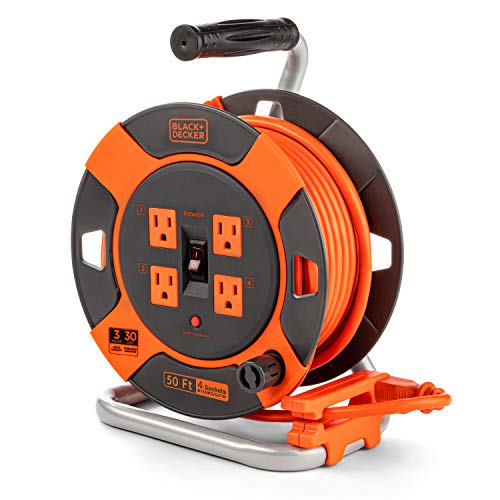
BLACK+DECKER 50 Ft. Retractable Extension Cord Reel With 4 Outlets, Multi-Plug Extension, Easy Handle Rewind & Heavy-Duty 14AWG SJTW Cable
Power Where You Need It: Make sure you have plenty of outlets while working outside with this Extension...
As an affiliate, we earn on qualifying purchases.
Frequently Asked Questions
Can Inverter Shutoffs Be Manually Overridden in Emergencies?
Yes, inverter shutoffs often have a manual override or emergency bypass option. This feature lets you temporarily bypass the automatic low-voltage shutoff in urgent situations, ensuring power remains available when needed most. However, you should use it cautiously and only during emergencies, as bypassing safety features can damage the inverter or connected devices. Always consult your inverter’s manual to understand the proper procedure for manual override or emergency bypass.
How Does Temperature Affect Low-Voltage Triggering?
Temperature affects low-voltage triggering through thermal effects that influence the inverter’s voltage stability. When it gets too hot, components may become less efficient, causing fluctuations in voltage levels. This instability can trigger the low-voltage shutoff to protect your system. Conversely, cooler temperatures help maintain voltage stability, reducing the chances of unnecessary shutdowns. Keep your inverter in a well-ventilated area to minimize thermal effects and guarantee reliable operation.
Are There Different Types of Low-Voltage Triggers for Various Inverters?
You’ll find different types of low-voltage triggers for various inverters, each with distinct voltage thresholds and trigger mechanisms. Some inverters use simple comparator circuits, while others rely on sophisticated sensors to detect voltage dips. These triggers activate shutdowns to protect your system, with thresholds varying to suit different needs. Understanding these differences helps you choose the right inverter, ensuring your setup stays safe and efficient under all conditions.
What Maintenance Is Required to Prevent Unwanted Shutoffs?
To prevent unwanted inverter shutoffs, you should regularly check your battery health and guarantee wiring integrity. Keep an eye on your batteries for signs of aging or corrosion, and replace them if needed. Inspect wiring connections for looseness or damage, tightening or repairing as necessary. Regular maintenance like these helps maintain proper voltage levels, reducing the risk of low-voltage triggers that cause inverter shutoffs.
How Do Inverter Shutoffs Impact Overall System Lifespan?
Inverter shutoffs, triggered by low voltage, protect your system and extend its lifespan by preventing battery damage. When these shutoffs occur, they help maintain proper voltage regulation, avoiding over-discharge that can shorten battery life. By ensuring your inverter only operates within safe voltage levels, you reduce wear and tear, ultimately prolonging system durability. Regular maintenance keeps these protections active, ensuring your system stays healthy and efficient over time.

Link2Home Cord Reel 25 ft. Extension Cord 4 Power Outlets – 16 AWG SJT Cable.
Tangle free cord management: Stay organized. Extension cord easily winds into reel keeping cords neat and tidy for...
As an affiliate, we earn on qualifying purchases.
Conclusion
Understanding inverter shutoffs and their low-voltage triggers helps you avoid unexpected power loss. By recognizing these safety features, you can better protect your equipment and ensure reliable operation. Don’t you want to stay one step ahead and prevent avoidable outages? Keeping an eye on voltage levels empowers you to make smarter decisions and maintain steady power, even in challenging conditions. After all, isn’t peace of mind worth knowing your inverter is working when you need it most?

Black + Decker 50 Ft. Reverse Retractable Extension Cord Reel 14AWG SJTW Power Cable, For Electric Tools - Outdoor Power Cord Reel W/Heavy-Duty Rewind Handle - Premium Cord Retractor for Garden
Power Where You Need It: Make sure you have a long enough cable while working outside with this...
As an affiliate, we earn on qualifying purchases.

Bayco KW-130 Cord Storage Reel with Center Spin Handle, 150-Feet
Electric cord reels made of high-quality impact-resistant plastic materials, lightweight and durable, and can be exposed to high-intensity...
As an affiliate, we earn on qualifying purchases.