TL;DR
Ford has issued a recall for around 20,000 Mustang vehicles in the US over safety concerns. The recall affects certain model years, with details still being clarified. This development could impact owners and the company’s safety reputation.
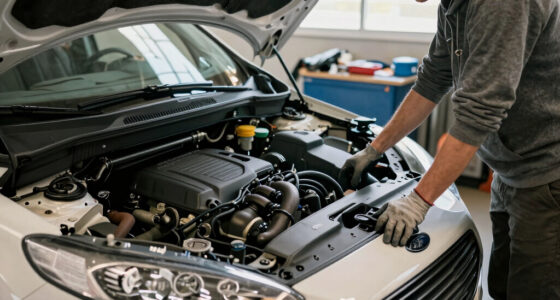
Ford has initiated a recall of approximately 20,000 Mustang vehicles in the United States due to potential safety issues related to a component defect. The recall was announced on March 15, 2024, and affects specific model years. This action is aimed at addressing safety concerns that could pose risks to drivers and passengers, making it a significant development for Mustang owners and the automotive industry.
The recall involves certain 2018 to 2022 Ford Mustang models, with Ford identifying a possible defect in the vehicle’s suspension system that could lead to a loss of control under specific conditions. Ford spokesperson Sarah Jenkins stated that the company is working closely with the National Highway Traffic Safety Administration (NHTSA) to ensure affected owners are notified and that repairs are carried out promptly. The company has not yet specified the exact number of vehicles affected within the broader recall scope but confirmed that the recall covers vehicles with VINs falling within certain ranges.
Owners of affected Mustangs will be contacted by Ford and instructed to bring their vehicles to authorized dealerships for free repairs. The company has advised owners to check their VINs on the NHTSA website or Ford’s recall portal to determine if their vehicle is included. No injuries or accidents related to this defect have been reported so far, according to Ford, but the potential safety risk has prompted the recall.
Why the Ford Mustang Recall Matters for Drivers and Industry
This recall highlights ongoing safety concerns within the automotive industry, especially for popular models like the Ford Mustang. It underscores the importance of manufacturer responsiveness to potential safety issues and the role of regulatory agencies like NHTSA in protecting consumers. For Mustang owners, the recall may lead to inconvenience but also reassures that safety measures are being taken. The development could influence future safety protocols and recalls for similar vehicles.
Ford Mustang suspension repair kit
As an affiliate, we earn on qualifying purchases.
As an affiliate, we earn on qualifying purchases.
Background on Ford Mustang Recalls and Safety Oversight
Ford has a history of issuing recalls for various models due to safety defects, with recent examples including issues with airbags and transmission systems. The Mustang, as one of Ford’s flagship models, has been subject to safety reviews especially following industry-wide concerns about vehicle stability and safety systems. The current recall follows a series of investigations into suspension reliability in high-performance vehicles, with the company emphasizing its commitment to safety and quality control. The timing aligns with increased regulatory scrutiny and consumer demand for transparency regarding vehicle safety.
“We are committed to the safety of our customers and are working diligently to address the issue through this recall. Owners will be contacted directly and advised on the next steps.”
— Sarah Jenkins, Ford spokesperson
As an affiliate, we earn on qualifying purchases.
Details Still Emerging on Affected Models and Defect Scope
It is not yet clear exactly which VIN ranges are affected or the specific nature of the suspension defect. Ford has not released detailed technical information, and the number of vehicles impacted within the 20,000-unit scope remains unspecified. Additionally, the timeline for the recall process and repair completion is still being finalized, leaving some uncertainty for owners and dealers.
As an affiliate, we earn on qualifying purchases.
Next Steps for Mustang Owners and Ford’s Recall Process
Ford will begin notifying owners of affected vehicles within the next few weeks. Owners are advised to check their VINs on the NHTSA website or Ford’s recall portal. Dealerships will perform free inspections and repairs once vehicles are brought in. Ford is also expected to provide updates on the scope and specific repair procedures as more information becomes available. The company has committed to transparent communication throughout the recall process.
automotive safety inspection tools
As an affiliate, we earn on qualifying purchases.
As an affiliate, we earn on qualifying purchases.
Key Questions
Which Ford Mustang models are affected by the recall?
Ford has not yet specified all affected model years, but the recall primarily targets 2018 to 2022 Mustang models, based on initial reports. Owners should verify their VINs on the NHTSA website or Ford’s recall portal for confirmation.
What specific safety issue is prompting the recall?
The recall concerns a potential defect in the suspension system that could lead to a loss of control. Ford has not disclosed detailed technical information publicly but emphasizes safety and risk mitigation.
Will owners need to pay for repairs?
No. Ford has stated that all repairs related to this recall will be performed free of charge at authorized dealerships.
How can I check if my vehicle is affected?
Owners should visit the NHTSA recall website or Ford’s official recall portal and enter their VIN to confirm if their vehicle is included in the recall.
When will the repairs begin?
Ford plans to start owner notifications within the next few weeks, with repairs scheduled to follow shortly thereafter. Exact dates depend on the dealership and region.
Source: google-trends