
The hidden detail that makes cold-weather starting work better is maintaining a fully charged, clean, and securely mounted battery. Cold temperatures slow chemical reactions and weaken weak or aging batteries, making starting harder. Regular checks, terminal cleaning, and ensuring a solid connection prevent issues before winter hits. When your battery is in top shape, your vehicle is more reliable during cold starts. Keep it maintained and discover more tips to stay ahead of winter’s challenges.
Key Takeaways
- Ensuring a fully charged and well-maintained battery improves cold-weather starting reliability.
- Using engine block heaters or pre-heating devices reduces engine and battery stress.
- Maintaining proper coolant antifreeze levels prevents freezing and aids easier engine start.
- Regular terminal cleaning and secure battery mounting prevent connection issues in low temperatures.
- Keeping tires properly inflated reduces engine effort needed to move the vehicle during cold starts.
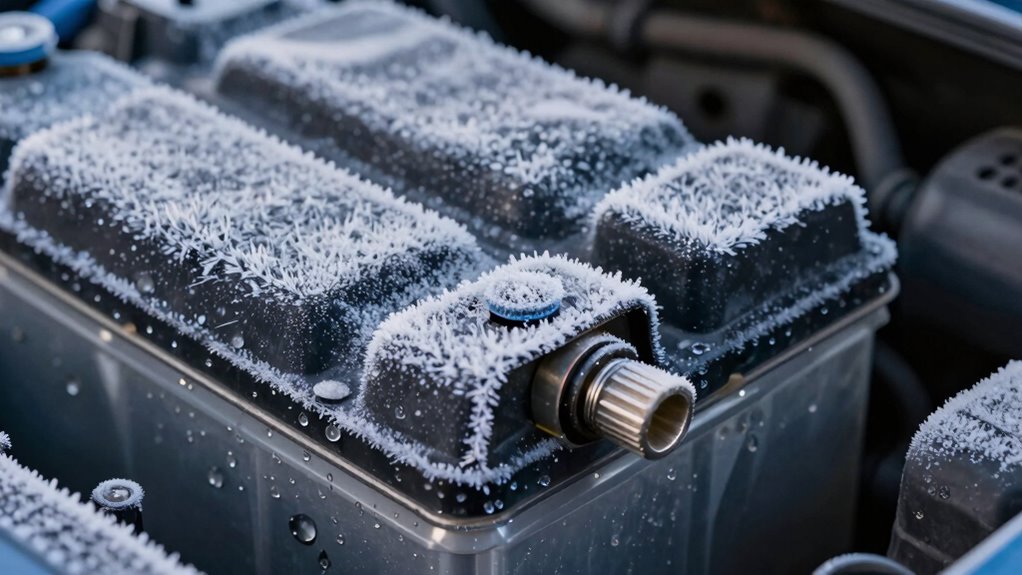
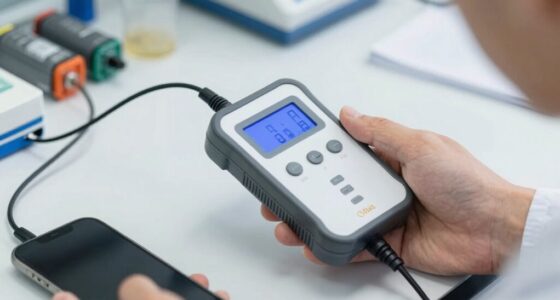
When temperatures drop, starting your vehicle can become a real challenge—unless you know the hidden detail that can make all the difference. One essential aspect often overlooked is battery maintenance. Cold weather greatly impacts your battery’s ability to deliver the power needed to turn over the engine. As temperatures fall, the chemical reactions inside your battery slow down, reducing its capacity to generate the necessary current. If your battery is already weak or aging, the cold can push it over the edge, making it almost impossible to start your vehicle. Regularly checking the battery’s health, cleaning corrosion from terminals, and ensuring it’s properly secured can boost its performance during winter. A well-maintained battery not only prevents inconvenient stalls but also prolongs its lifespan, saving you money and frustration. Additionally, investing in battery testing can help identify potential issues before they leave you stranded in the cold. Recognizing the importance of proper battery maintenance can be a game-changer in harsh winter conditions. Ensuring your battery is in good condition is especially important because cold weather impacts are most severe when the battery is already compromised. Maintaining a battery’s charge level is also crucial, as a depleted battery is even less capable of starting your vehicle in cold weather. To further support your vehicle’s cold-weather readiness, it’s beneficial to understand how vehicle electrical systems are affected by low temperatures and adapt your maintenance practices accordingly.
Proper battery maintenance is key to reliable winter starts and prolonging battery life.
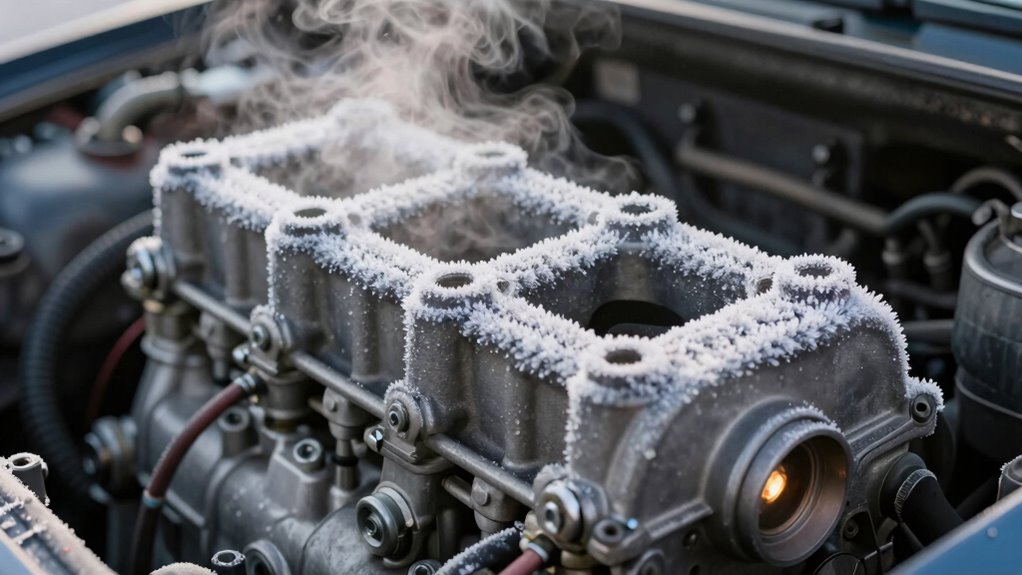
Another factor that plays a critical role in cold-starting is engine temperature. When the weather is cold, your engine’s oil thickens, increasing friction and resistance. This means the engine requires more effort to turn over and reach a warm, operational temperature. The longer it takes for the engine to warm up, the more strain you put on your battery and starter motor. To counter this, using a block heater or an engine pre-heating device can make a dramatic difference. These tools help warm the engine before you start the car, reducing stress on the battery and starter and making cold starts smoother. Additionally, allowing your engine to idle for a minute or two after starting helps it reach an ideal operating temperature faster, which can prevent unnecessary wear and tear.
It’s also wise to pay attention to your vehicle’s overall condition. Check the coolant levels and ensure the antifreeze mixture is appropriate for winter. Proper coolant prevents freezing and maintains an effective engine temperature, making starting easier. Keep an eye on your tires, too; underinflated tires can increase rolling resistance, making it harder for your engine to get moving in the first place. Taking these small steps ensures your vehicle is better prepared for cold mornings.
Ultimately, understanding the importance of battery maintenance and managing engine temperature can make all the difference when it’s cold outside. These hidden details may seem minor, but they directly impact your vehicle’s ability to start reliably in winter. By staying proactive—checking your battery, using engine warming tools, and maintaining your vehicle—you’ll find that cold-weather starts become much less intimidating. It’s about working smarter, not harder, so you can face winter mornings with confidence and peace of mind.

NOCO GENIUS1: 1A 6V/12V Smart Battery Charger – Automatic Maintainer, Trickle Charger & Desulfator with Overcharge Protection & Temperature Compensation – for Lead-Acid & Lithium Batteries
MEET THE GENIUS1 — Similar to our G750, just better. It's 35% smaller and delivers over 35% more…
As an affiliate, we earn on qualifying purchases.
As an affiliate, we earn on qualifying purchases.
Frequently Asked Questions
Does Engine Oil Viscosity Affect Cold-Weather Starting?
Yes, oil viscosity affects cold-weather starting. Thinner oils with lower viscosity flow more easily at low temperatures, reducing strain on your engine during startup. Using the right oil viscosity improves engine performance by ensuring proper lubrication immediately after startup, preventing wear and tear. In cold conditions, switching to a lower viscosity oil helps your engine start smoothly and run efficiently, ultimately extending its lifespan and maintaining ideal performance.
How Does Battery Age Influence Cold Starts?
Battery health plays a subtle role in cold start efficiency. As your battery ages, it becomes a bit more reluctant, like a tired traveler, making cold starts trickier. A fresh, well-maintained battery offers more robust power, ensuring smoother starts even in chilly weather. Keep an eye on your battery’s age and health to prevent unexpected stalls, and enjoy reliable starts no matter how cold it gets outside.
Can Fuel Additives Improve Cold-Weather Ignition?
Yes, fuel additives can improve cold-weather ignition by enhancing fuel stability and optimizing additive chemistry. When you use these additives, they prevent fuel gelling and phase separation, ensuring smoother engine starts in low temperatures. The right additive chemistry helps maintain fuel flow, reducing engine strain and improving reliability. Always choose additives formulated specifically for cold conditions to maximize their effectiveness and keep your engine running reliably during winter months.
What Role Does Engine Block Insulation Play?
Engine block insulation acts like a thermal blanket, trapping heat and preventing it from escaping in cold weather. It plays a vital role in thermal protection, helping the engine reach and maintain ideal temperatures more quickly. By keeping heat in, it reduces strain on the battery and starter, making cold starts smoother and easier. Fundamentally, insulation guarantees your engine stays warmer longer, improving reliability and reducing wear during chilly mornings.
Are There Specific Maintenance Tips for Winter Starting?
To guarantee smooth winter starts, check your tire pressure regularly, as cold weather can cause it to drop and affect traction. Keep your windshield wipers in good condition and fill your windshield washer fluid with a winter formula to prevent freezing. Additionally, use engine block insulation to help the engine warm up faster. These simple tips make cold-weather starting more reliable and help maintain safety on icy roads.

Magnetic Engine Block Heater 1155 1155X 1153, 200 Watt 120 Volt 60 HZ Replacement for Tractors, Trucks, Cars GELUOXI
▼【Reference Part Number】: Engine Block Heater 1153, 1155, 1155X. (120 Volts; 60 HZ; 200 Watts)
As an affiliate, we earn on qualifying purchases.
As an affiliate, we earn on qualifying purchases.
Conclusion
When you pay attention to that tiny hidden detail, it’s like giving your engine a secret handshake before a cold start. It’s the quiet hero that whispers, “I’m ready,” even in the icy silence of winter. By mastering this small trick, you’re not just starting your car — you’re opening a doorway to smoother mornings and fewer stumbles. Think of it as arming your vehicle with a winter-ready charm, turning cold mornings into a breeze.

TKDMR Battery Terminal Cleaners (2 pcs),12 pcs Battery Terminal Anti-Corrosion Fiber Washers (6 Red & 6 Green) for Car Marine Battery
Quantity: comes with 10 pieces battery anti-corrosion washers(5 red & 5 green) and 2pcs Battery Terminal Cleaning Brush.
As an affiliate, we earn on qualifying purchases.
As an affiliate, we earn on qualifying purchases.

NOCO GENIUS10: 10A 6V/12V Smart Battery Charger – Automatic Maintainer, Trickle Charger & Desulfator with Overcharge Protection & Temperature Compensation – for Lead-Acid & Lithium Batteries
MEET THE GENIUS10 — Similar to our G7200, just better. It's 17% smaller and delivers over 115% more…
As an affiliate, we earn on qualifying purchases.
As an affiliate, we earn on qualifying purchases.