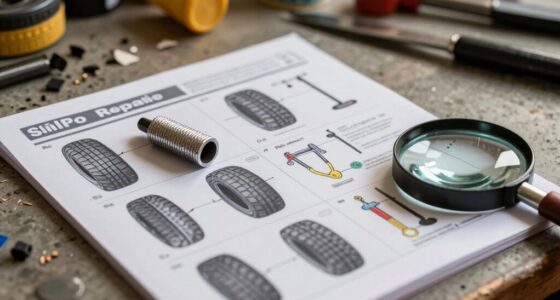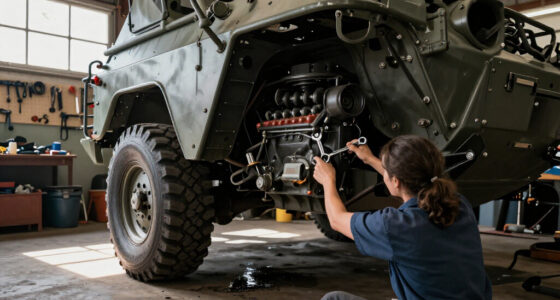
Avoid costly recovery gear mistakes by always inspecting your equipment for wear, corrosion, or damage before each use. Know your gear’s capacity and don’t exceed its limits, or you risk failure during recovery. Proper training teaches you safe techniques and gear setup, preventing accidents. Store and handle gear carefully to maintain its integrity over time. Ignoring safety protocols can lead to injuries and vehicle damage. Keep these points in mind, and you’ll stay safer—there’s much more to learn to protect yourself and your gear.
Key Takeaways
- Neglecting regular inspection of gear can lead to undetected wear, increasing the risk of failure during recovery.
- Overloading equipment beyond rated capacity causes equipment failure and potential safety hazards.
- Lack of proper training results in improper techniques, increasing the chance of accidents and gear damage.
- Improper storage and handling accelerate gear deterioration and compromise safety.
- Ignoring safety protocols and communication increases the risk of injury and mishaps during recovery operations.
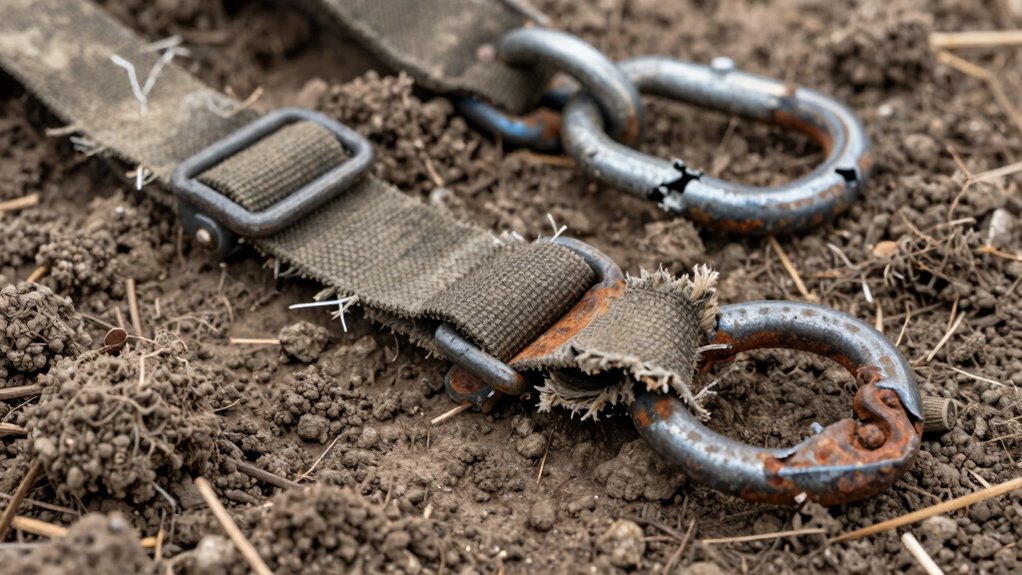
Recovery gear is crucial for safe off-road adventures, but even the smallest mistake can lead to dangerous situations. One of the most costly errors you can make is neglecting equipment inspection before heading out. Over time, gear like winches, straps, shackles, and recovery points can wear out, corrode, or become damaged without visible signs. Failing to thoroughly inspect your equipment means you might rely on compromised gear when it’s needed most. A frayed strap or a corroded shackle could snap under load, risking injury or vehicle damage. Regularly checking your recovery gear before every trip isn’t just good practice—it’s a fundamental safety step. Make certain all gear is in proper working condition, rated correctly for your vehicle’s weight, and free of defects. Don’t forget to test your winch and ensure that all connections are tight and secure. Proper inspection can save lives by catching issues before they escalate into accidents. Additionally, understanding the limitations of recovery gear is essential to avoid overestimating its capacity during a recovery operation. Recognizing these limits helps prevent overloading and potential failure during critical moments. Performing routine inspections and maintenance on your gear is also vital to maintain its longevity and reliability. It’s also advisable to keep a detailed log of your gear’s inspection history to track wear and identify recurring issues over time. Alongside equipment inspection, the importance of proper training cannot be overstated. Many off-road enthusiasts jump into recovery scenarios without understanding the correct procedures, which can lead to costly and dangerous mistakes. Proper training teaches you how to select the right gear for different situations, how to set up recovery points correctly, and how to communicate effectively with your recovery team. It also covers the importance of using the right techniques to distribute loads evenly, reducing the risk of gear failure. Being aware of the proper storage and handling of recovery gear is equally important to prevent deterioration over time. Without this knowledge, you might inadvertently overload gear or use it improperly, risking catastrophic failure. Training also emphasizes safety protocols, such as keeping bystanders clear and wearing protective gear. Investing in formal recovery training or at least thoroughly studying reputable resources can mean the difference between a successful recovery and a costly accident. Ensuring you understand recovery techniques can greatly improve safety and efficiency during a recovery operation. Many injuries and accidents can be prevented simply through proper gear handling practices and adherence to safety guidelines. Many people overlook these essentials, thinking that recovery gear is straightforward or that they don’t need specialized skills. But neglecting proper inspection and training can turn a simple stuck vehicle into a dangerous situation that could have costly consequences. You need to be vigilant about inspecting your gear regularly and committing to learning the correct recovery techniques. Doing so not only protects you but also your friends, your vehicle, and others around you. Recovery gear is a critical safety tool, and respecting its limits and proper use ensures you’re prepared for the unexpected. Remember, safety isn’t just about having the right equipment—it’s about knowing how to use it correctly and ensuring it’s in top condition before every adventure.
off-road recovery gear inspection kit
As an affiliate, we earn on qualifying purchases.
As an affiliate, we earn on qualifying purchases.
Frequently Asked Questions
How Often Should Recovery Gear Be Inspected for Safety?
You should inspect your recovery gear before every use to guarantee equipment durability and safety. Regular inspection frequency is essential—check for wear, fraying, or damage at least monthly if you use it often, and after any heavy use or impact. By maintaining a consistent inspection routine, you can prevent accidents, extend your gear’s lifespan, and make sure it performs reliably when you need it most.
What Are Signs of Worn or Damaged Recovery Straps?
Like spotting a broken arrow in a battlefield, you should look for signs of worn or damaged recovery straps. Material degradation, such as fraying, cuts, or fading, indicates the strap’s integrity is compromised. Also, check for tears or loose stitching. Damaged straps lose their load capacity, risking failure during recovery. If you notice any of these signs, replace the strap immediately to keep your rescue safe and effective.
Can I Use DIY Recovery Gear Safely?
You can’t guarantee DIY recovery gear safety if you lack proper training and experience, as gear customization can be risky. While DIY safety might seem cost-effective, it often leads to overlooked weaknesses or improper materials. Always use professionally tested equipment for recovery tasks. If you choose to customize gear, consult experts and follow safety standards closely. Remember, the right gear saves you from costly mistakes and potential injury.
What’s the Best Way to Store Recovery Gear?
Imagine your recovery gear as a precious treasure—because it is! To keep it in top shape, you should store it in a cool, dry place away from direct sunlight. Use dedicated storage solutions like heavy-duty bins or wall-mounted racks to prevent damage. Regular gear maintenance is essential; inspect and clean your gear before storing it, ensuring it’s ready for your next adventure and maintaining safety.
Are There Legal Standards for Recovery Gear Safety?
Yes, there are legal standards for recovery gear safety. You need to guarantee your gear complies with legal requirements for safety and certification. Certification requirements vary by region and gear type, so always check local regulations and industry standards. By adhering to legal compliance, you reduce risks and ensure your recovery gear is safe for use. Always verify that your equipment meets the necessary certification requirements before use.
vehicle recovery strap heavy duty
As an affiliate, we earn on qualifying purchases.
As an affiliate, we earn on qualifying purchases.
Conclusion
By avoiding these common recovery gear mistakes, you’ll stay safe and confident on every adventure. It’s easy to think you’re prepared, but overlooking small details can lead to big problems. Remember, investing time in proper gear checks isn’t just about avoiding costs—it’s about protecting yourself and your loved ones. So, stay vigilant, double-check your equipment, and enjoy your adventures with peace of mind. Safety isn’t an expense; it’s a smart, ongoing investment.
off-road winch with remote control
As an affiliate, we earn on qualifying purchases.
As an affiliate, we earn on qualifying purchases.
As an affiliate, we earn on qualifying purchases.