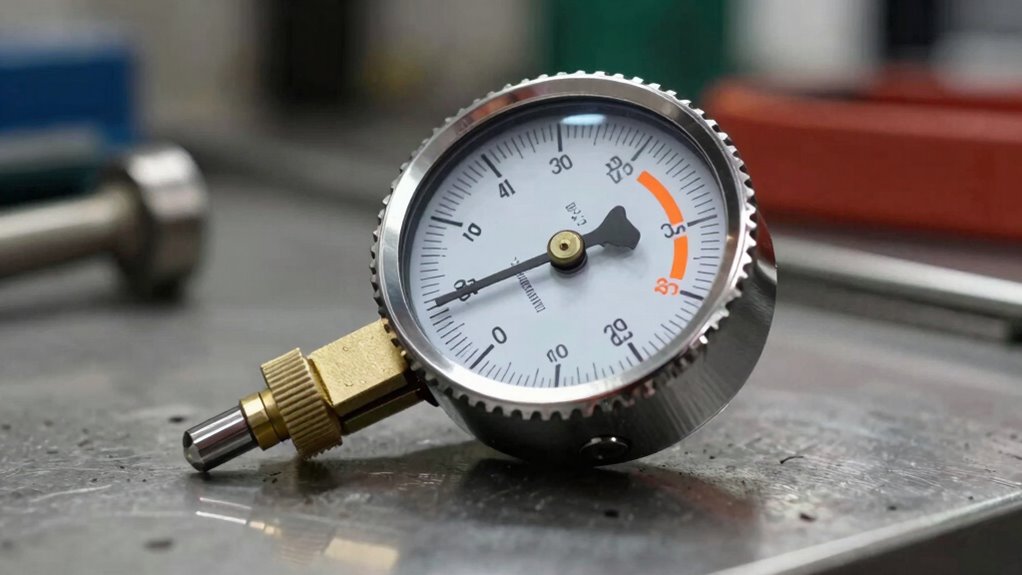

Torque angle gauges are more precise than relying on torque numbers alone because they measure the actual turn degrees during tightening. This helps you achieve consistent results, especially in critical or fast-paced tasks, where small variations can matter. By focusing on degrees, you reduce risks of over-tightening or under-tightening. If you want to know how to get the most accurate, reliable bolt tightening, keep exploring to find out more about these powerful tools.

Get business pricing on garage and car supplies
- Business-only prices and quantity discounts
- Tax-exempt purchasing
- Multiple users, one account, clear invoices
Key Takeaways
- Torque angle gauges provide precise degree measurements, ensuring consistent bolt tightening beyond just torque values.
- They are essential when tightening specifications specify degrees, not just torque numbers.
- Accurate degree control helps prevent over-tightening or under-tightening, reducing mechanical failure risks.
- Calibration ensures the gauge’s degree readings remain reliable over time for critical applications.
- Ergonomic design allows comfortable, precise operation during extended use in confined or awkward spaces.
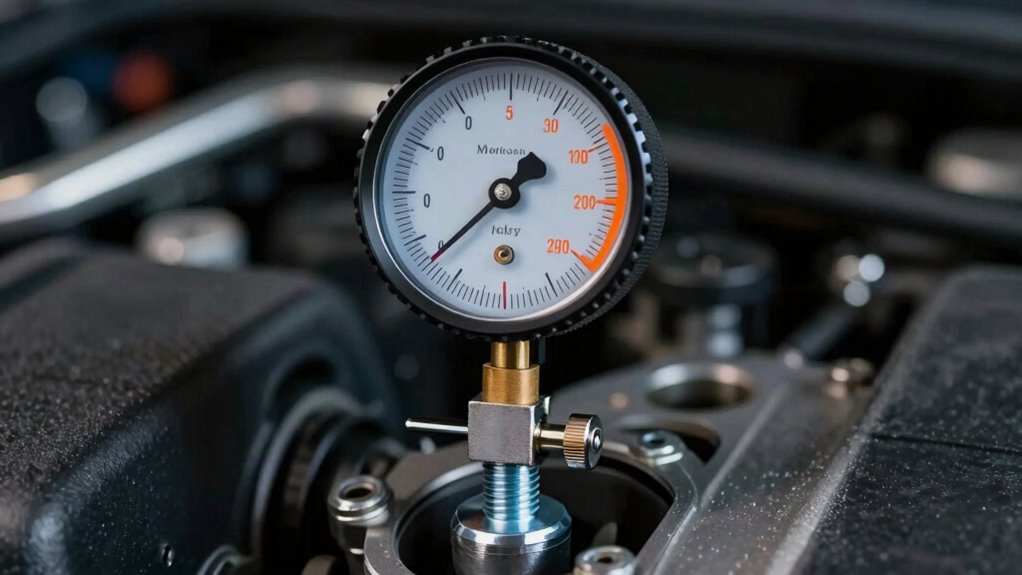
One of the key advantages of torque angle gauges is their calibration accuracy. You want to trust that your tool provides consistent, reliable readings every time. Manufacturers often emphasize calibration accuracy because it directly impacts your ability to tighten bolts correctly. Regular calibration checks are essential to maintain this accuracy, especially if you use the gauge frequently or in demanding environments. When you select a torque angle gauge, look for models that come with calibration certification or easy-to-follow calibration procedures. This way, you can be confident that your measurements reflect real-world torque and angle values, minimizing the risk of mechanical failure due to improper tightening. Calibration standards are crucial for ensuring your gauge remains precise over time. Another feature you’ll appreciate is the ergonomic design of many modern torque angle gauges. Working in confined spaces, awkward angles, or for extended periods can cause fatigue or discomfort. An ergonomic design reduces strain on your hand and wrist, allowing for more precise control and reducing the chances of slips or misreads. Some gauges feature textured grips, lightweight construction, and intuitive controls, making the process more comfortable and efficient. With a well-designed tool, you can focus on the task at hand rather than fighting against your equipment. Using a torque angle gauge isn’t just about reading degrees; it’s about precision. By combining calibration accuracy with ergonomic design, these tools enable you to tighten bolts with confidence. You get a clear, measurable indication of how far you turn, which is critical for specifications that specify degrees rather than torque values alone. This method ensures consistent results across different applications and technicians, promoting best practices and safety. Whether you’re a professional mechanic or a dedicated DIYer, investing in a high-quality torque angle gauge means you’re prioritizing safety, accuracy, and efficiency in every job. When degrees truly beat numbers, you’re equipped to get the job done right the first time.
As an affiliate, we earn on qualifying purchases.
Frequently Asked Questions
Can Torque Angle Gauges Be Used on All Types of Fasteners?
You can’t use torque angle gauges on all fastener types because material compatibility and fastener design matter. These gauges work best with specific materials like steel or aluminum and may not suit softer or more delicate fasteners. Always check the fastener’s material and type before using a torque angle gauge. Using it improperly could damage the fastener or give inaccurate readings, so guarantee compatibility for safe, precise tightening.
How Do Temperature Variations Affect Torque Angle Gauge Accuracy?
Temperature variations can greatly influence your torque angle gauge’s accuracy. As materials expand or contract with temperature changes, calibration becomes challenging, causing readings to drift. You might think your tool is precise, but these subtle shifts can lead to errors in critical tightening tasks. Keep your gauge in a controlled environment or re-calibrate regularly to maintain consistent, reliable measurements, especially when working in extreme temperatures.
Are Digital Torque Angle Gauges More Reliable Than Analog Ones?
Digital torque angle gauges are generally more reliable than analog ones because of their digital precision, offering consistent readings and easy calibration. However, analog gauges tend to be more durable, handling rough conditions better without electronic failure. You should choose based on your needs: if you prioritize accuracy and ease of use, go digital; if durability and simplicity matter most, an analog gauge might serve you better.
What Maintenance Is Required for Torque Angle Gauges?
You should regularly perform calibration procedures on your torque angle gauge to guarantee accuracy, ideally before each use or after rough handling. Store it in a clean, dry place following storage guidelines to prevent damage or corrosion. Keep it protected from extreme temperatures and impacts. Periodic checks and proper storage help maintain precision, extending your gauge’s lifespan and ensuring reliable torque measurements every time you use it.
How Do I Calibrate a Torque Angle Gauge?
To calibrate a torque angle gauge, start by reviewing the calibration procedures recommended by the manufacturer, ensuring you follow their specific steps. Use a compatible calibration tool to verify accuracy, aligning the gauge’s readings with a known standard. Regularly check the calibration, especially if you notice inconsistent readings or after a lengthy period of use. Proper calibration maintains precision, ensuring your torque measurements are reliable and accurate.
As an affiliate, we earn on qualifying purchases.
Conclusion
Torque angle gauges are like the lighthouse guiding your bolts to perfect tightness. While numbers give you the baseline, it’s the angles that guarantee everything lines up just right, preventing future headaches. Trusting these gauges is like having a seasoned sailor’s compass—keeping your engine running smoothly and safely. So, embrace the precision of degrees; they’re the secret ingredient turning a good job into a great one. Your engine will thank you for it!
As an affiliate, we earn on qualifying purchases.
As an affiliate, we earn on qualifying purchases.
Halloween Picks
halloween
As an affiliate, we earn on qualifying purchases.