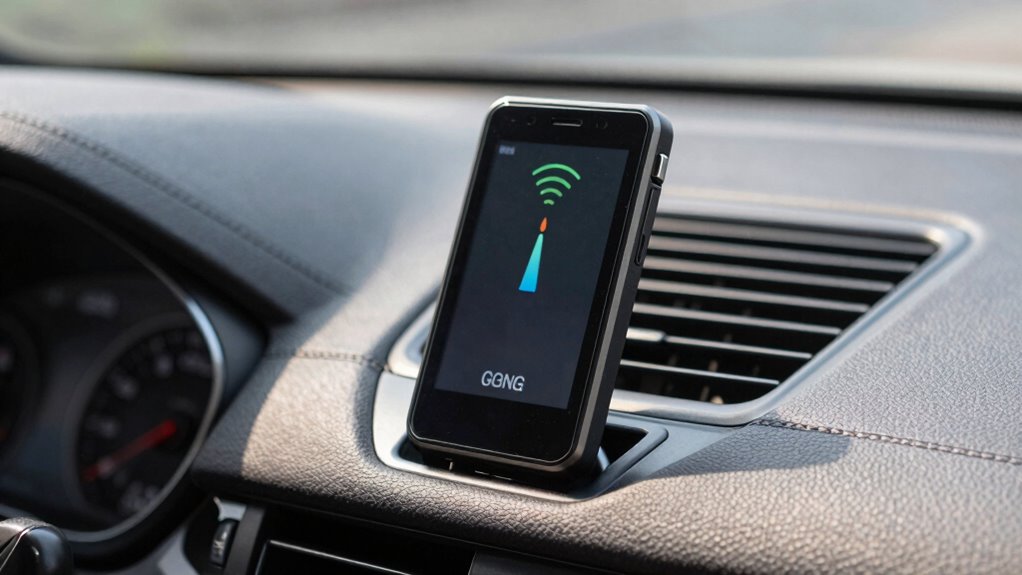

To improve your GPS accuracy, position your device in open areas away from dense trees, tall buildings, or narrow valleys, which can block signals. Keep your device fully charged and avoid low battery levels that reduce precision; use power-saving modes carefully. Prevent overheating by keeping your device in shaded spots and avoiding prolonged direct sunlight. Proper placement, power care, and temperature management are key. For more helpful tips, you’ll find useful strategies to optimize your GPS performance.

Get business pricing on garage and car supplies
- Business-only prices and quantity discounts
- Tax-exempt purchasing
- Multiple users, one account, clear invoices
Key Takeaways
- Place your device in open areas away from tall buildings, dense forests, and narrow valleys for optimal satellite signals.
- Fully charge your device before outdoor use and carry portable chargers to maintain power during long trips.
- Keep the device in shaded, cool environments to prevent overheating and hardware throttling that can reduce GPS accuracy.
- Regularly update device software and calibrate sensors to ensure precise satellite data interpretation.
- Avoid placing devices in metal cases or areas with signal reflections to prevent interference and improve positioning accuracy.
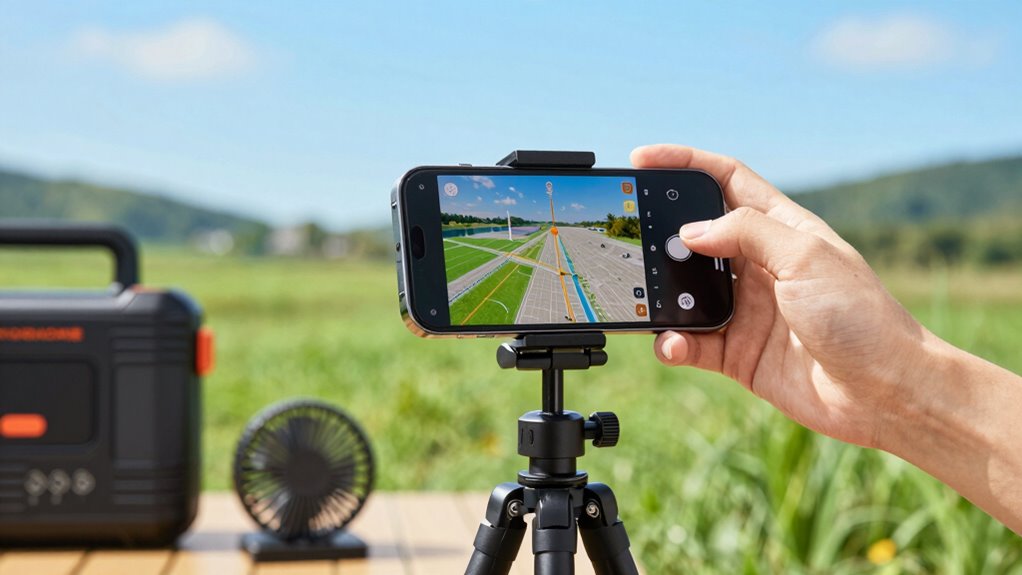
Having accurate GPS readings can make all the difference when steering through unfamiliar areas or tracking your outdoor adventures. To guarantee your device provides precise location data, paying attention to satellite signals is essential. These signals come from multiple satellites orbiting the Earth, and their strength can vary depending on your surroundings. When you’re in dense forests, urban areas with tall buildings, or rugged terrains, signals might weaken or become obstructed. To maximize accuracy, position yourself in open spaces where satellite signals are unobstructed. Avoid dense canopies or narrow valleys where signals could be blocked or reflected, leading to errors in your positioning.
Device calibration plays a key role in maintaining GPS accuracy. Over time, your device’s internal sensors can drift, causing location inaccuracies even if satellite signals are strong. Regularly calibrating your GPS device helps it interpret satellite data more correctly. Many devices have built-in calibration functions or prompts, so follow the manufacturer’s instructions to keep things running smoothly. Additionally, confirm your device’s software is up to date, as updates often include improvements to satellite signal processing and overall accuracy. When you calibrate your device properly, it better interprets satellite signals, reducing positional errors and keeping your navigation precise. Ensuring reliable satellite signal interpretation is crucial for maintaining consistent GPS accuracy. Proper device maintenance and updates also contribute to accuracy and reliability.
Power management is another essential factor. Low battery levels can cause your GPS device to function subpar, sometimes sacrificing accuracy to conserve energy. Make sure your device is fully charged before heading out, especially for extended trips. If your device offers a power-saving mode, use it wisely—though be aware that some modes may reduce GPS signal refresh rates. Carrying a portable charger or extra batteries can help maintain consistent power, ensuring your device continuously receives satellite signals without interruption. Remember, a device with sufficient power can process signals more effectively, providing reliable and accurate data when you need it most. Additionally, keeping your device’s firmware updated can optimize power consumption and improve overall performance. Regularly checking your device’s battery health can also help prevent unexpected power issues during critical moments. Moreover, paying attention to hardware condition can prevent malfunctions that impact GPS accuracy.
Overheating can also influence GPS performance. When your device gets too hot, it may throttle its hardware, including GPS circuitry, which can lead to degraded satellite signal reception. To prevent overheating, avoid leaving your device in direct sunlight for prolonged periods, especially in hot weather. Keep it in a shaded, cool place whenever possible. If your device starts to feel warm, give it a break to cool down. Proper placement inside a backpack or protective case can help shield it from excessive heat, ensuring it stays within suitable operating temperatures. By preventing overheating, you help your GPS device maintain a steady connection to satellite signals, preserving accuracy and reliability during your outdoor activities. Regularly monitoring your device’s temperature and avoiding prolonged exposure to heat can significantly contribute to GPS performance.
outdoor GPS device with long battery life
As an affiliate, we earn on qualifying purchases.
As an affiliate, we earn on qualifying purchases.
Frequently Asked Questions
How Does Weather Affect GPS Accuracy?
Weather interference can substantially affect your GPS accuracy by causing signal degradation. Heavy rain, snow, or thunderstorms can weaken the satellite signals your device relies on, leading to less precise location data. Cloud cover and storm activity also create obstacles that disrupt signal transmission. As a result, you might notice your GPS becomes less reliable during adverse weather, so it’s best to be aware of these conditions when orienting.
Can GPS Signals Penetrate Through Buildings Effectively?
Did you know that GPS signals struggle with indoor interference? They don’t penetrate buildings effectively because of signal obstruction caused by walls and metal fixtures. As a result, your device often loses accuracy or connection indoors. You might notice weaker signals or delays. To improve, try moving closer to windows or open spaces. Remember, indoor interference greatly impacts GPS performance, so placement is essential for reliable signal reception.
Does Software Update Improve GPS Precision?
Yes, software updates can improve your GPS precision. They often include signal enhancement features that optimize how your device communicates with satellites, leading to more accurate positioning. When you install these updates, you benefit from improved algorithms and bug fixes that reduce errors and enhance signal stability. Regularly updating your GPS software guarantees you get the most accurate location data possible, especially in challenging environments like urban areas or dense forests.
How Do Environmental Factors Impact GPS Signal Strength?
Did you know that environmental factors can reduce GPS signal strength by up to 70%? Satellite interference from tall buildings, dense forests, or even atmospheric conditions causes signal attenuation, making your device less accurate. These obstacles block or reflect signals, leading to delays or inaccuracies. To improve GPS performance, stay clear of sharp structures and thick foliage, especially in areas with heavy satellite interference, ensuring more reliable navigation.
Is It Necessary to Calibrate My GPS Device Regularly?
Yes, you should calibrate your GPS device regularly to maintain accuracy. Calibration frequency depends on your device and how often you use it, but doing it monthly or after software updates is a good rule of thumb. Also, check your device settings to make certain they’re optimized for accuracy. Regular calibration helps compensate for environmental changes and keeps your GPS functioning reliably during navigation, hikes, or outdoor activities.
As an affiliate, we earn on qualifying purchases.
Conclusion
Remember, just like a sailor trusts their compass amidst turbulent seas, your GPS relies on proper placement, power, and avoiding overheating to guide you accurately. When you give it the right environment, it can navigate even the most unpredictable terrains with confidence. So, treat your device with care and attention, for in doing so, you guarantee it remains your steadfast guide—your modern-day North Star—leading you safely through every journey.
GPS device screen calibration tool
As an affiliate, we earn on qualifying purchases.
As an affiliate, we earn on qualifying purchases.
As an affiliate, we earn on qualifying purchases.
Halloween Picks
halloween
As an affiliate, we earn on qualifying purchases.