Using the wrong fuse tap or installing it improperly can quietly cause electrical gremlins like flickering lights or accessory malfunctions. Overloading circuits or choosing fuse taps with incorrect ratings can lead to hidden wiring issues or blown fuses over time. Poor connections or faulty grounding may produce intermittent problems you can’t easily spot. To avoid these subtle problems, it’s vital to follow proper installation practices—keep going to discover more tips to guarantee a safe, reliable setup.
Key Takeaways
- Using a fuse tap with an incorrect fuse rating can cause overcurrent and hidden electrical issues.
- Overloading the circuit with multiple accessories via fuse taps can lead to intermittent malfunctions.
- Failing to verify circuit capacity before adding devices may result in subtle, hard-to-diagnose electrical gremlins.
- Poor or loose fuse tap connections can cause voltage fluctuations and unreliable accessory operation.
- Neglecting proper grounding when installing fuse taps can introduce electrical noise and flickering problems.

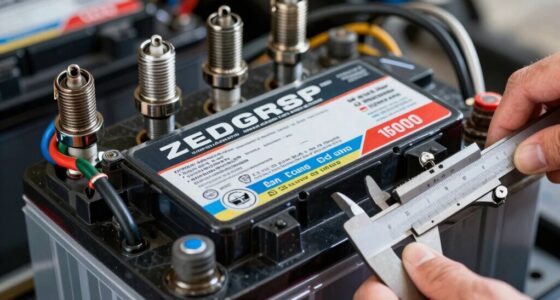
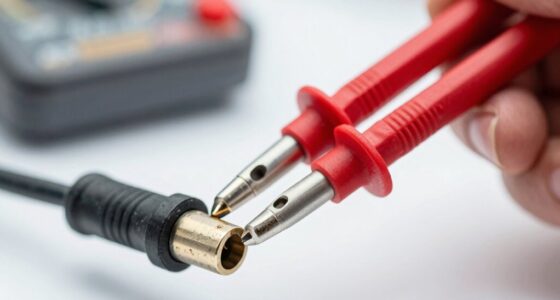
Using a fuse tap can be a convenient way to add accessories to your vehicle’s electrical system, but it’s easy to make mistakes that could cause serious problems. One common mistake is overloading the circuit. When you connect a new device with a fuse tap, you might not consider how much current it will draw. If the accessory exceeds the circuit’s capacity, it can cause circuit overloads, which may lead to blown fuses or even damage your wiring. Overloading isn’t always obvious at first, and it can quietly create electrical gremlins, like flickering lights, malfunctioning accessories, or intermittent power issues. To prevent this, you should always check the amperage ratings of the circuit and confirm your new device doesn’t exceed the safe limit. Using a fuse tap with the correct fuse rating is essential, and if you’re adding multiple accessories, consider upgrading the circuit or wiring to handle the increased load. Ensuring proper circuit capacity is critical for safe and reliable modifications. Proper understanding of electrical load can help prevent these issues from occurring. Additionally, understanding circuit protection devices can help you choose the right fuse ratings and avoid potential hazards. Proper circuit analysis is also vital to identify the true capacity of your vehicle’s electrical system. Improper grounding is another mistake that can cause ongoing electrical headaches. When you install a fuse tap, it’s tempting to connect everything quickly, but neglecting proper grounding can lead to inconsistent operation of your accessories. An improper ground connection can cause voltage fluctuations, which may result in flickering lights or malfunctioning devices. It can also introduce electrical noise that interferes with other systems. To avoid this, verify your ground connection is solid—use a clean, bare metal surface and secure the wire tightly. If you notice abnormal behavior after installation, rechecking your grounding points is a good first step. Proper grounding isn’t just about safety; it’s vital for the reliable operation of any added accessories. Additionally, take care to avoid making these mistakes in the first place. Double-check your wiring diagrams and fuse ratings before making any connections. Use the right tools and follow the manufacturer’s instructions carefully. If you’re unsure about the circuit’s capacity or how to properly ground your accessories, consulting a professional is a wise move. Even small errors can lead to larger, more costly problems down the line, from damaged electronics to potential fire hazards. Remember, a little extra effort during installation can save you a lot of trouble later. By paying attention to circuit loads and grounding, you guarantee your upgrades work smoothly without creating electrical gremlins that silently undermine your vehicle’s electrical health.

Cooclensportey 16 Pack 4 Types Fuse Tap, Upgraded 12V Car Add a Circuit Fuse Tap Kit – Standard Mini Micro2 and Low Profile Mini Fuses Taps, ATO ATC ATM APM Fuses Adapter Jumper for Cars Trucks Boats
DUAL-SLOT FUSE HOLDER: The dual-slot fuse jumper connector provides two fuse holders, one fuse holder to protect existing…
As an affiliate, we earn on qualifying purchases.
As an affiliate, we earn on qualifying purchases.
Frequently Asked Questions
What Tools Are Best for Installing a Fuse Tap Safely?
You should use a wire stripper, crimping tool, and a fuse tap extractor for safe installation. Make sure you select the correct wire gauge to match your vehicle’s wiring and check fuse holder compatibility to avoid electrical issues. A multimeter helps verify connections before powering up. These tools help prevent mistakes, guaranteeing a secure, reliable connection that won’t cause gremlins later. Always follow safety guidelines for a smooth install.
How Do I Identify the Correct Fuse for Tapping?
To identify the correct fuse for tapping, start by locating your vehicle’s fuse box, usually under the dashboard or hood. Check the fuse box diagram for the circuit you want to tap into, ensuring it matches the device’s power needs. Pay close attention to circuit amperage ratings; choose a fuse with a rating that supports your accessory without exceeding the circuit’s limits, preventing electrical issues.
Can a Fuse Tap Affect My Vehicle’s Warranty?
Warranty worries can worsen with wiring woes. A fuse tap, if improperly installed, can potentially void your vehicle’s warranty due to installation pitfalls. Car companies often scrutinize modifications, especially if they cause electrical issues or damage. To protect your warranty, follow proper procedures, use quality parts, and consider professional installation. Staying informed about warranty considerations helps you avoid accidental annulments while enjoying added accessories.
Are There Specific Fuse Tap Types for Different Vehicle Models?
Yes, there are specific fuse tap types designed for different vehicle models. You need to guarantee circuit protection and fuse compatibility when choosing one. Different vehicles have varying fuse sizes and configurations, so selecting the right fuse tap prevents electrical issues and potential damage. Always check your vehicle’s fuse specifications and aim for a fuse tap that matches those details to ensure safe and reliable installation.
How Often Should I Inspect My DIY Fuse Tap Connections?
You should inspect your DIY fuse tap connections every few months to guarantee safety and reliable electrical performance. Regular checks help prevent electrical troubleshooting issues caused by loose or faulty connections. Prioritize DIY safety by turning off the vehicle before inspecting, and look for signs of corrosion or loose wiring. Consistent inspections help catch problems early, avoiding potential electrical gremlins and keeping your system running smoothly.
Cooclensportey 16 Pack 4 Types Fuse Tap, Upgraded 12V Car Add a Circuit Fuse Tap Kit – Standard Mini Micro2 and Low Profile Mini Fuses Taps, ATO ATC ATM APM Fuses Adapter Jumper for Cars Trucks Boats
DUAL-SLOT FUSE HOLDER: The dual-slot fuse jumper connector provides two fuse holders, one fuse holder to protect existing…
As an affiliate, we earn on qualifying purchases.
As an affiliate, we earn on qualifying purchases.
Conclusion
In the quiet dance of your vehicle’s electrical system, a small misstep with a fuse tap can subtly invite tiny gremlins to cause mischief. Think of it as planting seeds of chaos in a garden—you might not notice the weeds growing right away, but over time, they can tangle your wiring and disrupt your ride. By paying close attention and avoiding these common pitfalls, you keep your car’s delicate symphony running smoothly, free from sneaky disruptions.

RKURCK 2Pcs Thermal Circuit Breaker 25Amp Thermal Overload Protector L1 Series 125-250V AC 50V DC Automatic Reset Relay Fuse Thermal Switch Circuit Breaker Current Overload Protector
Compact, single pole, current overload protection automatic reset relay fuse thermal circuit breakers
As an affiliate, we earn on qualifying purchases.
As an affiliate, we earn on qualifying purchases.

DriSentri 5 Point Car Universal Earth Ground Cables Grounding Wire System Kit High Performance Improve Power for Car Truck, Blue
Material: Grounding wire kit is made from high quality copper for maximum conductivity, strong & durable PVC plastic…
As an affiliate, we earn on qualifying purchases.
As an affiliate, we earn on qualifying purchases.