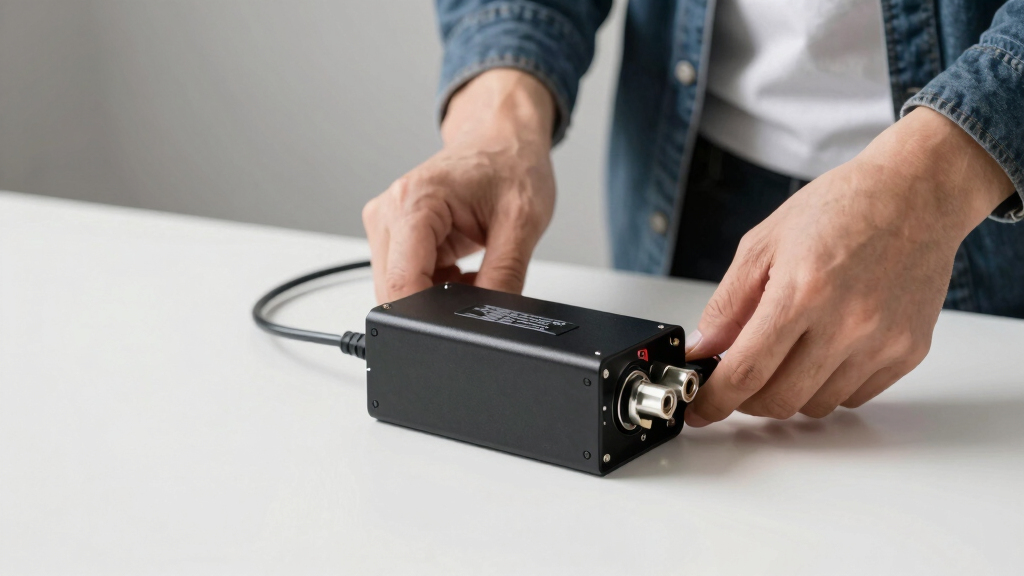

Searching for the best 12V DC-DC charger 40A in 2026? The VEVOR 12V 40A DC to DC Battery Charger stands out for its reliable performance and compatibility with various battery types. For those needing more power capacity, the Renogy 12V 60A DC to DC Battery Charger offers increased amperage suited to larger setups. The main tradeoffs involve balancing cost, ease of installation, and features like MPPT or Bluetooth connectivity. Keep reading to see how these options compare and find the best fit for your application.

Get business pricing on garage and car supplies
- Business-only prices and quantity discounts
- Tax-exempt purchasing
- Multiple users, one account, clear invoices
Key Takeaways
- Higher amperage models like the Renogy 60A provide more headroom for large battery banks but come at a higher cost.
- MPPT solar compatibility is common in premium chargers, improving efficiency for solar-powered setups.
- Build quality and waterproof ratings vary significantly; IP68 models excel in rugged environments.
- Bluetooth and digital monitoring features add convenience but may increase complexity and price.
- Choosing the right charger depends heavily on your battery type and installation environment.


More Details on Our Top Picks
VEVOR 12V 40A DC to DC Battery Charger, 500W, On-Board for Lead-Acid, Lithium, AGM, Gel, Flooded Batteries
This VEVOR model stands out for its broad compatibility with multiple battery types, including lithium, AGM, and flooded lead-acid, making it a flexible choice for various vehicles and boats. Compared with the LiTime 12V 40A charger, it offers multi-stage charging tailored to different chemistries, which can extend battery life. Its built-in protections against over/under voltage, high temperature, and reverse polarity add a layer of safety that many competitors lack, though it requires proper wiring and installation knowledge. The absence of wireless monitoring or remote features might deter tech-savvy users seeking more connectivity. Overall, this pick makes the most sense for users who need a reliable, multi-purpose charger with solid protections and straightforward installation, without the need for advanced monitoring tools.
Pros:- Compatible with multiple battery types including lithium and lead-acid
- Built-in protections for safe operation
- Multi-stage charging extends battery lifespan
- Easy to install with pre-drilled mounting holes
Cons:- Limited to 12V systems, no higher voltage support
- Requires proper wiring and technical knowledge
- No wireless or remote monitoring features
Best for: DIY enthusiasts or professionals seeking a versatile, safe charger for multiple battery chemistries in RVs, trucks, or boats.
Not ideal for: Beginners or those wanting remote monitoring features, as it lacks wireless control or app integration.
- Voltage:12V
- Current:40A
- Power:500W
- Battery Types:Lead-Acid, Lithium, AGM, Gel, Flooded
- Protection Features:Over & under voltage, high temperature, reverse polarity
- Charging Modes:2-stage for LiFePo4, 4-stage for lead-acid (bulk, absorb, float)
Bottom line: This charger is ideal for users who prioritize safety, versatility, and straightforward setup over advanced connectivity.
Renogy 12V 60A DC to DC Battery Charger for Marine, RV, and Automotive Applications
The Renogy 60A charger offers a higher current capacity than other options, making it suitable for larger battery banks or fast-charging demands. Its multi-stage charging, including bulk, boost, and float, ensures optimal battery health, rivaling the LiTime 12V 40A for intelligent charging, but with a focus on higher current output. Its safety protections like over-voltage, over-temperature, and reverse polarity safeguard your system, yet proper wiring is essential to prevent issues. The absence of a detailed user interface or Bluetooth connectivity means it’s more suited for users comfortable with manual setup. This model makes the most sense for owners with limited space who need a robust, high-current charger that can handle demanding environments and larger batteries efficiently.
Pros:- Higher 60A current for faster charging
- Multi-stage charging for battery longevity
- Built-in safety protections for reliability
- Suitable for limited spaces due to compact design
Cons:- Requires proper wiring due to high current output
- Limited to 12V systems, no multi-voltage support
- No advanced digital interface or Bluetooth connectivity
Best for: Owners with larger battery banks in RVs or marine vessels who need quick, reliable charging with minimal fuss.
Not ideal for: Users seeking advanced remote monitoring or detailed system diagnostics, as it lacks a display or app integration.
- Voltage:12V
- Current:60A
- Charging Stages:Bulk, Boost, Float
- Protections:Over-voltage, over-temperature, reverse polarity
- Application:Marine, RV, automotive
Bottom line: Perfect for users needing a high-current, space-efficient charger for large battery systems in RVs and boats.
LiTime 12V 40A DC-DC Battery Charger with MPPT Solar Controller for Lithium and Lead-Acid Batteries
This LiTime model emphasizes high-efficiency MPPT solar tracking, making it an excellent choice for off-grid users combining solar and DC power sources. Its 99% MPPT efficiency outperforms many competitors, including the Timeusb 14.6V charger, ensuring maximum solar energy harvest. Supporting multiple battery chemistries like LiFePO4, AGM, and Gel, it offers flexible compatibility, but its lack of waterproofing limits outdoor marine use. Its complex setup and ventilation needs might challenge beginners, yet for those with solar systems, the efficiency gains and hybrid charging capabilities outweigh these hurdles. This pick is best for off-grid enthusiasts who want a reliable, high-efficiency charger that integrates solar seamlessly into their power system.
Pros:- High 99% MPPT solar tracking efficiency
- Supports multiple battery types and hybrid input
- Fast charging up to 40A output
- Built-in safety protections
Cons:- Not waterproof, unsuitable for marine environments
- Requires proper ventilation and installation expertise
- Complex setup for beginners
Best for: Off-grid users and RV owners who rely heavily on solar with hybrid charging needs.
Not ideal for: Mariners or users in wet environments, since it isn’t waterproof and needs proper ventilation.
- Voltage:12V
- Current:40A
- MPPT Efficiency:99%
- Protection Features:Over-voltage, reverse polarity, over-temperature
- Compatibility:LiFePO4, AGM, Gel, SLA, Calcium
Bottom line: This charger suits off-grid installations where solar harvesting and hybrid charging are priorities, despite its installation complexity.
Timeusb 14.6V 40A LiFePO4 Battery Fast Charger for Deep Cycle Batteries
The Timeusb 14.6V charger excels in quickly restoring deeply discharged LiFePO4 batteries, cutting charging times by about half compared to standard chargers. Its tailored voltage of 14.6V is ideal for LiFePO4 chemistries, but makes it unsuitable for other battery types, unlike the versatile VEVOR or Renogy options. Safety protections, including over-temperature and reverse polarity, are comprehensive, providing peace of mind during fast charging. However, its specific focus on LiFePO4 limits its use for hybrid or mixed battery systems. This charger makes the most sense for owners with dedicated deep-cycle LiFePO4 batteries who need rapid, reliable recharging without extra features or complexity.
Pros:- Reduces charging time by up to 50%
- Comprehensive safety protections
- Easy connection with wire lugs
- Specifically optimized for LiFePO4 batteries
Cons:- Limited to LiFePO4 chemistry, not versatile
- Fixed voltage of 14.6V limits use with other batteries
- No remote monitoring or advanced features
Best for: Owners of deep-cycle LiFePO4 batteries needing fast, efficient recharging in RV or marine settings.
Not ideal for: Users with mixed battery chemistries or those seeking multi-purpose chargers, since it’s limited to LiFePO4.
- Voltage:14.6V
- Current:40A
- Compatibility:LiFePO4
- Charging Time:Approx. 5 hours for 200Ah
- Protection Features:Over temperature, reverse polarity, short-circuit
Bottom line: This charger is ideal for dedicated LiFePO4 owners who prioritize fast, safe recharging of deep-cycle batteries.
40A In-Vehicle DC to DC Charger with MPPT, IP68 Waterproof, 12V Battery Charger for Solar and Alternator Dual Input
This 40A in-vehicle charger combines MPPT solar capabilities with alternator input, providing flexible, reliable power in challenging environments such as boats or off-grid trailers. Its IP68 waterproof rating surpasses many competitors like the LiTime or Renogy models, making it suitable for marine or outdoor use. The dual input allows simultaneous solar and alternator charging, a feature that makes it distinct from single-input options like the VEVOR or Timeusb chargers. However, it requires professional installation for optimal safety and performance, and it’s limited to 12V systems. This model is best for users who need durable, multi-source charging with maximum environmental protection in rugged conditions.
Pros:- IP68 waterproof for extreme durability
- Supports solar and alternator dual input
- Multiple safety protections for reliable operation
- Easy to operate with LED indicators
Cons:- Limited to 12V battery systems
- May require professional installation
- Potentially higher cost due to rugged features
Best for: Marine, off-grid, or harsh environment users requiring dual power sources and waterproofing.
Not ideal for: Beginners or those with simple, indoor installations, as it involves complex setup and professional wiring.
- Current:40A
- Waterproof Rating:IP68
- Input Voltage:12V
- Charging Modes:Solar and Alternator Dual Input
- Protection Features:Over-voltage, reverse connection, over-temperature
Bottom line: This charger is well-suited for demanding outdoor or marine applications where environmental protection and dual input flexibility are priorities.
LiTime 12V 40A DC to DC Charger for Lithium and Lead-Acid Batteries
This versatile charger stands out for its broad compatibility with multiple battery chemistries, including LiFePO4, AGM, Gel, and lead-acid types. Compared to the Renogy DC to DC Charger with MPPT, it offers similar safety protections but lacks waterproofing, making it less suitable for marine environments. The smart multi-stage charging ensures optimal battery health, especially beneficial for RV and home backup applications. Its comprehensive safety features, such as over-voltage and reverse polarity protection, enhance reliability, though the absence of waterproofing limits outdoor use. The space-saving design might restrict installation options for some users, but overall, it delivers fast charging with high current output, making it a well-rounded choice for multiple setups.
Pros:- Compatible with multiple battery types including lithium and lead-acid
- Fast charging with up to 40A output
- Smart multi-stage charging for battery longevity
- Comprehensive safety protections
Cons:- Not waterproof, limiting outdoor or marine use
- Space-saving design may restrict installation flexibility
Best for: RV owners and home backup system users needing a versatile, multi-battery compatible charger with safety features.
Not ideal for: Marine users or those requiring waterproof devices, since this model isn’t waterproof and unsuitable for wet environments.
- Voltage:12V
- Current:40A
- Battery Types:LiFePO4, AGM, Gel, SLA, Calcium
- Charging Stages:2-stage for LiFePO4, 3-stage for lead-acid
- Protection Features:Over-voltage, low-voltage, short-circuit, reverse polarity, over-temperature
- Certifications:FCC, CE, RoHS
Bottom line: This model is ideal for RV and home backup setups where versatility and safety are priorities, but not for marine environments.
LiTime 14.6V 40A Lithium Battery Charger for 12V LiFePO4 Batteries
This charger excels at delivering rapid, efficient charging specifically for 12V LiFePO4 batteries, with a dedicated output of 14.6V. Unlike the Renogy DC to DC Charger with MPPT, which offers dual-input solar and vehicle charging, this unit focuses solely on lithium battery charging, making it perfect for off-grid setups where speed matters. Its rugged Anderson connector and multi-protection features ensure safe operation, but the requirement for mounting space and ventilation can complicate installation. This model’s targeted design means it’s less suitable for lead-acid or mixed battery systems, but for dedicated LiFePO4 users, it provides quick, stable charging—about five hours for a 200Ah battery—making it ideal for those prioritizing battery longevity and efficiency.
Pros:- Fast and efficient 40A charging
- Smart 3-stage charging for safety and stability
- Rugged Anderson connector and protections
- Designed specifically for LiFePO4 batteries
Cons:- Requires sufficient mounting space and ventilation
- Limited to 12V LiFePO4 batteries, restricting versatility
Best for: Off-grid lithium battery users who need rapid 40A charging and have ample space for installation.
Not ideal for: Owners with mixed battery chemistries or limited mounting space, as it only supports 12V LiFePO4 batteries.
- Voltage:14.6V
- Current:40A
- Battery Type:LiFePO4
- Input Voltage:100-240V AC
- Charging Time:Approximately 5 hours for 200Ah
- Protection Features:Short circuit, overcurrent, reverse polarity, over/undervoltage, over-temperature
Bottom line: This charger is best suited for dedicated lithium users seeking quick and reliable charging for large batteries, but not for mixed systems.
Renogy DC to DC Charger with MPPT 12V 40A Solar Input – Dual Charging for RV Marine Camping
This model shines for its dual charging capability with MPPT solar input, making it stand out from the LiTime 12V 40A DC to DC Charger which lacks solar features. Its ability to adapt to multiple battery chemistries, including LiFePO4 and lead-acid types, offers high versatility for RV, marine, or off-grid applications. The comprehensive protections and efficient MPPT technology enable optimal solar energy use, but the installation process can be complex for beginners, and its price might be high for budget-conscious users. The 670W maximum power input allows for substantial solar integration, making it ideal for users who want to combine solar and vehicle charging efficiently in a single unit.
Pros:- Efficient dual charging with MPPT solar input
- Compatible with multiple battery chemistries
- Comprehensive safety protections
- Supports up to 670W solar input
Cons:- Installation may require technical knowledge
- Limited to 12V systems
- Higher price point
Best for: RVers and boat owners integrating solar power with dual charging needs who value efficiency and flexibility.
Not ideal for: New users without technical experience or those on strict budgets, due to installation complexity and higher price.
- Input Voltage:12V
- Charging Current:40A
- Maximum Power:670W
- Battery Compatibility:LiFePO4, Gel, Flooded, Sealed Lead Acid
- Protection Features:Reverse polarity, over-voltage, under-voltage, over-temperature
- Standards:FCC, RoHS, CE, SAA
Bottom line: Ideal for off-grid enthusiasts who want a flexible, efficient dual charging system, but not suited for beginners or tight budgets.
Renogy DC to DC Charger 12V 40A – Multi-Stage Battery Charger with Bluetooth for RV, Marine, Car
This compact, multi-stage charger offers advanced features like Bluetooth connectivity, making it a standout for users who want remote monitoring and control—something the LiTime 14.6V 40A Charger does not provide. Its smart battery activation and protections against overload, short circuits, and temperature issues make it reliable for RV, marine, or vehicle use. The Bluetooth feature allows easy remote adjustments and performance tracking, but some users find setup complex without prior technical knowledge, and the need for an additional Bluetooth module can add to the cost. Its wall-mount, space-efficient design is perfect for those who prioritize remote management and compact form, though it’s less suitable for users without smartphone access or those who prefer plug-and-play simplicity.
Pros:- Smart battery activation for optimized performance
- Bluetooth connectivity for remote monitoring and control
- Multi-stage charging with safety protections
- Compact, wall-mount design
Cons:- Requires separate Bluetooth module for full functionality
- Setup can be complex for non-technical users
- Limited to 12V systems
Best for: RV and marine owners who want remote control, monitoring, and a compact form factor.
Not ideal for: Users seeking a straightforward, Bluetooth-free setup or those with limited technical skills, as setup can be complex.
- Voltage:12V
- Current:40A
- Battery Types:LiFePO4, AGM, Gel, Flooded
- Bluetooth:Yes
- Protection Features:Overload, short circuit, over-temperature, over-voltage
- Design:Wall-mount, compact
Bottom line: Best suited for tech-savvy users wanting remote management and compact design, but may be challenging for beginners.

How We Picked
These products were selected based on their power capacity, versatility, build quality, and feature set. Priority was given to chargers rated for 40A continuous output, with additional consideration for compatibility with different battery chemistries and integration with solar systems. We compared ease of installation, user interface, and durability, especially for outdoor or mobile use. Price-to-performance ratio was a key factor, alongside reviews of reliability and customer support. Products that offered clear advantages for specific applications, like RV, marine, or solar setups, were ranked higher to help different buyer needs.Factors to Consider When Choosing Best 12V DC-DC Charger 40A
When selecting a 12V DC-DC charger 40A, it’s essential to consider several factors that affect performance, compatibility, and longevity. A well-chosen charger ensures efficient power transfer, protects your batteries, and withstands environmental conditions. Avoid common mistakes like overlooking compatibility with your battery chemistry or ignoring environmental ratings, which can lead to reduced lifespan or safety issues. Balancing features against your budget will help you find a charger that offers reliable operation without unnecessary complexity or expense.Battery Compatibility and Chemistry
Not all chargers work equally well with every battery type. Some are optimized for lead-acid, AGM, or gel batteries, while others support lithium-ion or LiFePO4 chemistries. Selecting a charger designed for your specific batteries prevents overcharging and extends lifespan. Pay attention to whether the charger has adjustable voltage settings or dedicated modes for different chemistries, which can simplify setup and enhance safety.
Input Compatibility and Power Sources
Consider whether the charger supports dual inputs like solar and alternator, especially if you rely on solar panels. MPPT technology enhances solar efficiency, making it a worthwhile feature if solar is part of your power system. Also, check that your vehicle or installation provides adequate voltage and current for the charger to operate effectively without overloading circuits.
Durability and Environmental Ratings
If your setup is outdoors or in harsh conditions, look for chargers with high ingress protection ratings like IP68. Rugged construction and corrosion-resistant materials prevent damage from water, dust, and vibrations. Keep in mind that higher durability often correlates with higher cost, but it can significantly extend the lifespan of your investment.
Features and Monitoring
Advanced features such as Bluetooth monitoring, multi-stage charging, and digital displays provide greater control and insight into system health. However, they can also introduce complexity and higher prices. Decide whether these features are necessary for your application or if a simpler, more straightforward charger will suffice.
Value and Cost Tradeoffs
Balance your budget against desired features and build quality. More expensive models often include better efficiency, durability, or smart features, but not always necessary for every user. Conversely, cheaper chargers may lack robustness or advanced features, risking short lifespan or improper charging. Focus on what matters most for your setup to avoid overpaying or compromising performance.
Frequently Asked Questions
Can I use a 40A DC-DC charger with a smaller battery bank?
Yes, you can, but it may be overkill for small setups. Using a charger with a higher current capacity than your battery bank needs might lead to inefficiencies or unnecessary energy loss. It’s generally better to match the charger’s capacity to your actual battery size to optimize charging speed and safety. Overly powerful chargers can also generate excess heat if not properly managed, so ensure your system can handle the extra load.
Is MPPT necessary in a 12V DC-DC charger for solar setups?
Including MPPT (Maximum Power Point Tracking) technology significantly improves solar energy harvesting, especially in variable sunlight conditions. For solar-powered systems, an MPPT-enabled charger can boost efficiency and reduce charging time. However, if your setup is primarily vehicle-based or grid-connected, MPPT may be less critical, and a simpler, PWM-based charger could suffice, saving costs.
How important is waterproofing for a DC-DC charger?
Waterproofing becomes vital if the charger will be exposed to outdoor elements or in mobile environments like RVs, boats, or off-road vehicles. An IP68 rating ensures protection against dust and water ingress, preventing damage and maintaining reliability over time. For indoor or sheltered installations, waterproofing is less critical, allowing for more compact or lower-cost options.
Should I prioritize Bluetooth monitoring features?
Bluetooth monitoring offers the convenience of real-time system insights and easier troubleshooting, which can be especially helpful for complex or large setups. However, it often adds to the cost and may introduce potential connectivity issues. If you prefer a straightforward, plug-and-play device, a non-Bluetooth model may be more reliable and budget-friendly.
What is the main difference between 12V and 14.6V chargers for lithium batteries?
Most 12V lithium chargers are designed to deliver a standard voltage suitable for typical 12V lithium-ion or LiFePO4 batteries, usually around 14.6V for bulk charging. The 14.6V chargers are optimized for specific lithium chemistries that require a higher charge voltage for full capacity. Ensuring compatibility with your battery’s recommended voltage prevents overcharging or undercharging, which can impact lifespan and safety.
Conclusion
For general use and balanced performance, the VEVOR 12V 40A DC to DC Battery Charger stands out as the best overall choice. If your priority is value without sacrificing too much functionality, the LiTime 12V 40A DC-DC Charger offers a strong balance of features at a competitive price. Those with larger systems or solar integration should consider models with MPPT, like the Renogy 12V 60A DC to DC Charger. For beginners or simple setups, a straightforward, rugged model like the Timeusb 14.6V 40A LiFePO4 Charger makes installation easier. Finally, users needing waterproofing and advanced monitoring will find the Renogy DC to DC Charger with Bluetooth a suitable premium option.
Fall Picks
fall essentials
As an affiliate, we earn on qualifying purchases.