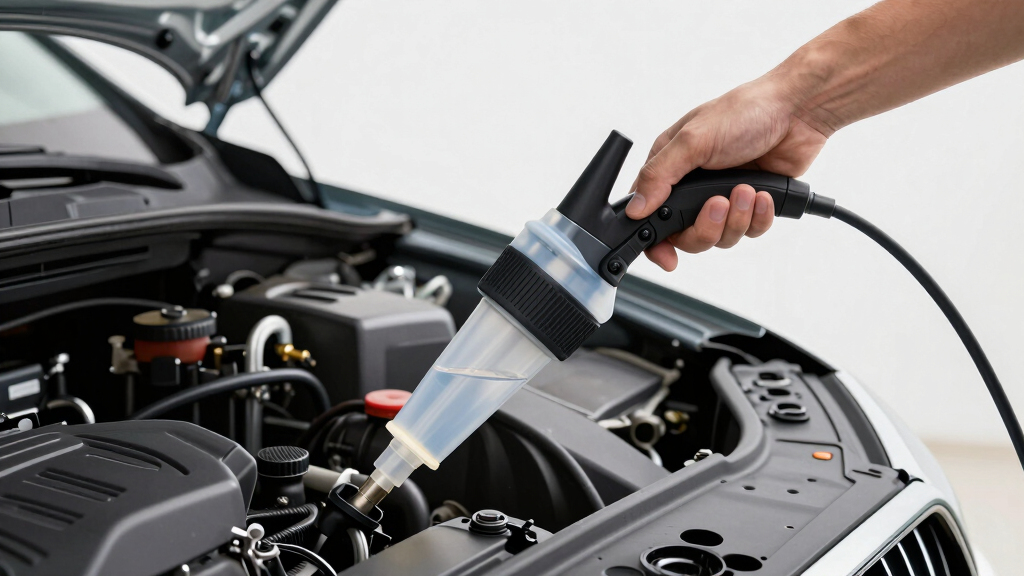

When searching for the best fluid extractor, the goal is to find a tool that offers reliable performance, ease of use, and versatility for various fluids. The OEMTOOLS 24397 Fluid Evacuator stands out as the best overall for its balance of power and simplicity. For those needing a portable option, the EWK 6L Vacuum Oil Extractor delivers impressive capacity and convenience, while the Mityvac 7201 excels in precision for smaller jobs. Each choice involves tradeoffs—some prioritize capacity, others usability or compatibility with different fluids. Continue reading for a detailed comparison that helps you pick the right tool for your needs.
Key Takeaways
- The top fluid extractors balance capacity with ease of operation, with manual and pneumatic options catering to different user preferences.
- Versatility across automotive, marine, and small engine fluids is a key factor differentiating high-end models from basic syringes or small pumps.
- Build quality and durability significantly impact long-term value, especially for frequent use or in professional settings.
- Capacity varies widely, with larger tanks offering fewer refills but added weight and bulk, influencing portability.
- Price often correlates with features like pneumatic operation, extended hoses, or multi-purpose design, but budget options can still handle simple tasks effectively.
| OEMTOOLS 24397 Fluid Evacuator – Manual Oil Extractor Pump, Vacuum Oil Changer & Fluid Transfer Tool |  | Best Overall for Manual Oil Extraction | Capacity: 5 liters | Material: Brass connectors, reinforced tubing | Pump Type: Manual vacuum pump | VIEW LATEST PRICE | See Our Full Breakdown |
| EWK 6.5L Pneumatic/Manual Oil Extractor for Automotive Fluids |  | Best for Versatile, Spill-Free Oil Changes | Capacity: 6.5 liters | Extraction Speed: up to 1.8 L/min | Modes: Manual and Pneumatic | VIEW LATEST PRICE | See Our Full Breakdown |
| SWANLAKE 200cc Fluid Extractor, Manual Suction Pump for Automotive Fluids |  | Best for Precise, Small-Volume Fluid Tasks | Capacity: 200cc (7oz) | Tube Extension: 7 inches | Material: Heavy-duty, chemical-resistant | VIEW LATEST PRICE | See Our Full Breakdown |
| FOUR UNCLES 200cc Fluid Extractor & Fill Pump for Automotive Use |  | Best for Hard-to-Reach Areas and Small Jobs | Capacity: 200 cc | Hose Length: up to 23 inches | Extension Tubes: Two 12-inch tubes | VIEW LATEST PRICE | See Our Full Breakdown |
| Thorstone 200cc Automotive Fluid Extractor Pump with 2 PVC Suction Tubes |  | Best for Versatile Automotive Fluid Removal | Capacity: 200cc | Extension Tubes: 2 pcs, 22cm each | Material: PVC | VIEW LATEST PRICE | See Our Full Breakdown |
| Mityvac 7201 2.3 Gallon Fluid Evacuator Extractor and Dispenser |  | Best Overall for Versatility and Capacity | Capacity: 2.3 gallons | Material: Chemical-resistant polyethylene | Weight: 11.65 pounds | VIEW LATEST PRICE | See Our Full Breakdown |
| Sedy 200cc Multi-Purpose Fluid Extractor Syringe |  | Best for Precise Small-Scale Tasks | Capacity: 200cc | Material: Polypropylene | Sealed Plunger: Double sealed | VIEW LATEST PRICE | See Our Full Breakdown |
| EWK 6L Vacuum Oil Extractor Pump, Portable Fluid Extractor for Automotive and Marine |  | Best for Deep Oil Drains and Portable Use | Capacity: 6 liters | Hose Length: 59 inches | Probe Length: 42 inches | VIEW LATEST PRICE | See Our Full Breakdown |
| DURATECH 500CC Fluid Extractor with Long Hose and Extension Tubes | 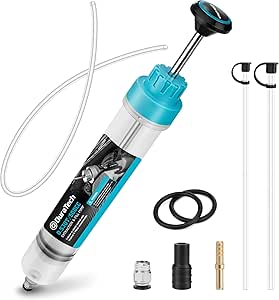 | Best for Hard-to-Reach Areas and Versatile Use | Capacity: 500cc | Extension Tube Length: up to 50.4 inches | Hose Length: 27.6 inches | VIEW LATEST PRICE | See Our Full Breakdown |
| Mityvac MV7300 Pneumatic 2.3 Gallon Venturi Vacuum Pump Fluid Evacuator |  | Best for Fast, High-Volume Extraction with Safety Features | Capacity: 2.3 gallons | Material: Chemical-resistant polyethylene | Uses: Automotive, marine, industrial | VIEW LATEST PRICE | See Our Full Breakdown |
| EWK 6.5L Manual Oil Extractor Pump for Oil Change, Fluid Evacuators for Cars, Boats, Jet Skies, Lawnmowers, Quick Oil Drain in 10 Pumps |  | Best Overall for Versatile, Spill-Free Fluid Extraction | Capacity: 6.5 liters | Weight: 6 pounds | Dimensions: 8.27 x 8.27 x 22.05 inches | VIEW LATEST PRICE | See Our Full Breakdown |
| Mityvac MVA6852 1.5 Liter Fluid Evacuator and Dispensing Syringe |  | Best for Precision and Larger Capacity in Professional or DIY Tasks | Capacity: 1.5 liters | Includes: MVA7218 rubber ATF adapter | Control: Twist-valve | VIEW LATEST PRICE | See Our Full Breakdown |
| OEMTOOLS 24937 Pneumatic/Manual Fluid Extractor, 1.5 Gallon (6L) Oil Extractor Pump |  | Best for Dual-Mode Efficiency in Garage Settings | Capacity: 1.5 gallons (6L) | Hose Length: 5 feet | Operation Modes: Pneumatic and manual | VIEW LATEST PRICE | See Our Full Breakdown |
| VEVOR 6.5L Pneumatic/Manual Oil Extractor Pump for Automotive Fluids |  | Best for All-in-One Versatility with Comprehensive Kit | Capacity: 6.5L / 1.74 gallons | Operation Modes: Pneumatic and Manual | Weight: 5.73 pounds | VIEW LATEST PRICE | See Our Full Breakdown |
| Mityvac MV7102 Fluid Extractor Dispenser, 2.5 Quart, 120 PSI |  | Best for Hydraulic Systems and Precise Fluid Handling | Capacity: 2.5 quarts | Maximum Pressure: 120 PSI | Application: Hydraulic brake and clutch systems | VIEW LATEST PRICE | See Our Full Breakdown |
More Details on Our Top Picks
OEMTOOLS 24397 Fluid Evacuator – Manual Oil Extractor Pump, Vacuum Oil Changer & Fluid Transfer Tool
This manual pump stands out for its ability to drain up to 5 liters of fluid in under a minute, making it a reliable choice for quick, mess-free oil changes. Compared to pneumatic models like the EWK 6.5L, it doesn’t require an external air connection, which simplifies setup, but does mean it relies solely on manual effort—less ideal for frequent, large-volume jobs. Its durable brass connectors and reinforced tubing ensure longevity and leak resistance, though extended use can tire out the user. This tool is perfect for DIYers who prioritize straightforward operation and durability, but those with heavy or frequent fluid change needs might find it less efficient. The manual operation involves some effort, especially when working with larger volumes, and it’s limited to fluids compatible with its materials. Overall, this is a dependable, easy-to-use option for occasional use in automotive or marine settings.
Pros:- Drains up to 5 liters in under a minute for fast service
- Mess-free and easy to operate with ergonomic handle
- Durable, leak-resistant construction ensures long-term use
Cons:- Manual effort required, which can be tiring for extended use
- Limited to fluids compatible with brass and reinforced tubing
Best for: DIYers and hobbyists needing a simple, reliable manual fluid extractor for occasional automotive or marine fluid changes
Not ideal for: Professionals or frequent users requiring high-volume, automated extraction, or those needing to work with highly volatile fluids
- Capacity:5 liters
- Material:Brass connectors, reinforced tubing
- Pump Type:Manual vacuum pump
- Suitable for:Oil, coolant, brake fluid, transmission fluid
Bottom line: This manual pump suits DIY enthusiasts seeking quick, reliable fluid removal without the need for power sources.
EWK 6.5L Pneumatic/Manual Oil Extractor for Automotive Fluids
This dual-mode extractor offers the flexibility of manual and pneumatic operation, making it ideal for users who want faster, cleaner oil changes. Unlike the OEMTOOLS manual model, the EWK 6.5L can operate pneumatically for quicker extraction, which reduces user effort and increases efficiency—especially useful in professional settings. Its ability to extract from dipsticks without lifting the vehicle minimizes mess and risk. However, it’s not compatible with some specific vehicle models like the Mercedes W212 E350, and it requires a pneumatic connection for maximum speed, adding setup complexity. This makes it better suited for users with access to compressed air or those who value speed and cleanliness over simplicity. The tradeoff is that it’s less portable and more dependent on external equipment than purely manual options, but it excels where quick, spill-free operation is needed.
Pros:- Spill-free, clean oil extraction process
- Dual-mode operation offers flexibility and faster results
- Compatible with a wide range of vehicles and fluids
Cons:- Requires pneumatic connection for optimal speed
- Not compatible with some specific vehicle models
Best for: Auto repair shops or seasoned DIYers with access to compressed air seeking fast, clean fluid extraction
Not ideal for: Casual users or those working without pneumatic tools, as manual operation alone is slower and less efficient
- Capacity:6.5 liters
- Extraction Speed:up to 1.8 L/min
- Modes:Manual and Pneumatic
- Suitable Fluids:Engine oil, transmission fluid, coolant, power steering
Bottom line: This extractor is a top choice for professionals or experienced DIYers seeking quick, clean automotive fluid changes with pneumatic assistance.
SWANLAKE 200cc Fluid Extractor, Manual Suction Pump for Automotive Fluids
This compact 200cc manual extractor excels at precise removal and refilling of small fluid volumes, such as brake fluid or gear oil. Its extended reach tubes and leak-proof design make it particularly suited for accessing tight or hard-to-reach reservoirs, offering control that larger models can’t match. Compared to the 200cc models from FOUR UNCLES or Thorstone, the SWANLAKE provides a more durable, chemical-resistant build, making it a good choice for professional or frequent DIY use. The main drawback is its manual operation, which can be tiring during larger jobs, and its small capacity limits it to small-volume tasks. It’s ideal for detailed work rather than large-scale oil changes, and it’s best for those prioritizing accuracy and control over volume.
Pros:- Precise control for fluid extraction and filling
- Extended reach tubes access hard-to-reach reservoirs
- Leak-proof design prevents spills
Cons:- Manual operation can be tiring for bigger jobs
- Limited to small fluid volumes
Best for: Automotive enthusiasts or professionals performing precise, small-volume fluid extraction and filling tasks
Not ideal for: Users needing to extract or transfer large quantities of fluid quickly, as its capacity is limited
- Capacity:200cc (7oz)
- Tube Extension:7 inches
- Material:Heavy-duty, chemical-resistant
- Design Features:Double-seal plunger, quick-connect fittings
Bottom line: This tool is best suited for detailed, small-volume fluid tasks where control and precision are prioritized.
FOUR UNCLES 200cc Fluid Extractor & Fill Pump for Automotive Use
The FOUR UNCLES 200cc pump offers extended hoses up to 23 inches, making it a strong choice for accessing deep or tight reservoirs in vehicles or industrial equipment. Compared with SWANLAKE’s model, it emphasizes reach, but its manual operation still limits its efficiency for larger jobs. Its double-sealed design ensures leak prevention, and the easy lock buckle facilitates quick setup. It’s well-suited for mechanics or serious DIYers working in tight spaces, but the small 200cc capacity and manual effort mean it’s less suitable for large-volume or frequent fluid changes. The need for additional extension hoses for very deep reservoirs could add complexity. Overall, it’s an excellent tool for precise, confined-area work rather than bulk fluid removal.
Pros:- Extended hoses reach deep or tight areas
- Leak-proof double-sealed design
- Easy quick-connection with lock buckle
Cons:- Limited to 200cc capacity, not suitable for large jobs
- Requires manual effort for operation
Best for: Professional mechanics or DIYers needing to service hard-to-reach reservoirs in vehicles and machinery
Not ideal for: Home users or those requiring large volume extraction, due to limited capacity and manual effort involved
- Capacity:200 cc
- Hose Length:up to 23 inches
- Extension Tubes:Two 12-inch tubes
- Material:Durable, double rubber ring seal
Bottom line: This pump is ideal for precise, confined-space fluid tasks where reach and control are more important than volume.
Thorstone 200cc Automotive Fluid Extractor Pump with 2 PVC Suction Tubes
The Thorstone 200cc extractor combines long extension tubes with a leak-proof design, making it versatile for a range of automotive fluids and vehicle types. Its two PVC tubes can extend up to 40cm, allowing access to hard-to-reach reservoirs across cars, trucks, and boats. Compared to the Four Uncles model, it includes multiple tubes and connectors, adding convenience for different applications. Its manual operation requires effort for larger volumes, and with no digital measurement, precise volume control depends on user experience. It’s best for users needing adaptable tools for various vehicles and fluids, but less ideal for those demanding quick, large-volume extraction or digital tracking. Overall, it offers a flexible, durable solution for small to medium fluid jobs.
Pros:- Long extension tubes reach difficult areas
- Leak-proof with locking button and airtight seal
- Includes multiple tubes and connectors for versatility
Cons:- Manual operation can be tiring for large volumes
- Limited to 200cc per use without automation
Best for: Automotive technicians or serious DIYers needing adaptable, multi-application fluid extraction tools
Not ideal for: Users seeking automated or large-capacity systems, as manual effort and capacity limits may hinder efficiency
- Capacity:200cc
- Extension Tubes:2 pcs, 22cm each
- Material:PVC
- Seal:Dual rubber ring
Bottom line: This extractor provides flexible, multi-application fluid removal for those needing adaptable tools across various vehicle types.
Mityvac 7201 2.3 Gallon Fluid Evacuator Extractor and Dispenser
The Mityvac 7201 stands out for its dual-function design, allowing both fluid extraction and dispensing, which makes it ideal for comprehensive automotive fluid management. Compared with smaller or manual syringes like the Sedy 200cc Multi-Purpose Fluid Extractor, this unit offers a larger capacity and more robust construction, reducing the need for multiple fills and increasing efficiency. However, its size and weight—over 11 pounds—could be cumbersome for tight spaces or frequent transport. The automatic overflow prevention and chemical-resistant polyethylene body boost reliability and durability, making it suitable for both professional garages and serious DIYers. Yet, the manual operation demands some effort, especially over larger jobs. This pick makes the most sense for those who need a reliable, high-capacity extractor that can handle continuous use without constant refilling, despite its bulk.
Pros:- Large 2.3-gallon capacity reduces refilling frequency
- Dual-function for extraction and dispensing increases versatility
- Automatic overflow prevention minimizes mess and spills
- Chemical-resistant polyethylene body ensures durability
Cons:- Bulky size may be difficult to store or maneuver in small spaces
- Heavy weight impacts portability and manual handling
Best for: Professional mechanics or serious DIYers who require a large-capacity, durable fluid extractor for frequent use
Not ideal for: Home users with limited space or those seeking a lightweight, portable tool for occasional tasks
- Capacity:2.3 gallons
- Material:Chemical-resistant polyethylene
- Weight:11.65 pounds
- Dimensions:9.3 x 13.2 x 25.4 inches
- Model Number:7201
Bottom line: This model suits users needing a high-capacity, durable fluid extractor for repeated, demanding tasks despite its size and weight.
Sedy 200cc Multi-Purpose Fluid Extractor Syringe
The Sedy 200cc syringe excels in extracting and filling small quantities of fluids, making it ideal for delicate jobs like brake fluid or hydraulic systems. Compared with larger, more cumbersome units like the Mityvac 7201, this syringe offers unmatched precision and portability, perfect for tight spots or quick tasks. Its double-sealed plunger and chemical-resistant polypropylene ensure reliability across various fluids. The main limitation is its 200cc capacity, which can require multiple fills during larger jobs, increasing effort and time. Manual operation can also tire users when used extensively, unlike powered options. This tool is best suited for hobbyists or professionals handling small, detailed tasks, not for large volume fluid changes or continuous use.
Pros:- Compact and lightweight for easy handling
- Reliable double-sealed plunger prevents leaks
- Versatile for multiple fluid types and applications
- Chemical-resistant construction ensures durability
Cons:- Limited to 200cc capacity, requiring multiple fills for large tasks
- Manual operation may cause fatigue during prolonged use
Best for: Automotive or hydraulic technicians needing a compact, reliable tool for small-volume extractions
Not ideal for: Users needing to drain large quantities of fluid or perform extensive jobs, due to limited capacity
- Capacity:200cc
- Material:Polypropylene
- Sealed Plunger:Double sealed
- Application:Automotive, marine, hydraulic
Bottom line: This syringe is ideal for precise, small-volume fluid tasks but isn’t suited for large-scale fluid removal or frequent use.
EWK 6L Vacuum Oil Extractor Pump, Portable Fluid Extractor for Automotive and Marine
The EWK 6L Vacuum Oil Extractor Pump offers a straightforward, manual approach to draining engine oils, ATF, and coolants, especially valued for its deep reach probe and portability. Compared with pneumatic options like the Mityvac MV7300, this model doesn’t require compressed air, making it more accessible for DIYers and mobile mechanics. Its 6-liter capacity strikes a balance between size and practicality, though it might necessitate multiple fills for larger vehicles. The manual operation is simple but can become tiresome during extensive use, and it’s limited to fluids below 175°F, excluding gasoline. Its lightweight design and flexible probe make it suitable for tight spaces, but users should be prepared for some manual effort. This choice makes sense for those who need a portable, reliable oil drain that doesn’t rely on compressed air.
Pros:- No electricity or compressed air needed for operation
- Deep reach probe ensures thorough draining
- Lightweight and portable for on-site use
- Capable of handling various engine fluids
Cons:- Limited to fluids below 175°F, excluding gasoline
- Multiple fills needed for large vehicles or extensive tasks
- Manual effort can be tiring over long sessions
Best for: DIY mechanics and mobile users needing an oil extractor that’s easy to carry and operate without power tools
Not ideal for: Heavy-duty professional shops or tasks involving high-temperature fluids or large volumes
- Capacity:6 liters
- Hose Length:59 inches
- Probe Length:42 inches
- Weight:3.79 pounds
- Dimensions:9.5 x 9.5 x 14.6 inches
- Model Number:EB0261
Bottom line: This extractor is perfect for mobile, small-scale oil changes but isn’t designed for high-volume or high-temperature fluids.
DURATECH 500CC Fluid Extractor with Long Hose and Extension Tubes
The DURATECH 500CC Fluid Extractor offers a flexible option with its long extension tubes and transparent body, making it suitable for extracting fluids from tight or awkward spaces. Compared with the Sedy 200cc syringe, this unit provides a larger capacity and better suction power, ideal for small to medium tasks around vehicles or boats. Its leak-proof double seal and durable construction enhance reliability, while the included extension tubes allow access to hard-to-reach spots. The capacity of 500cc may be limiting for larger fluid volumes, requiring multiple refills for bigger jobs. Manual operation remains, which could be less convenient for frequent or large-scale tasks. It’s best suited for users needing precision in confined spaces, rather than high-volume drainage.
Pros:- Includes multiple extension tubes and hoses for hard-to-reach areas
- Leak-proof double seal design for reliability
- Clear, durable body with fluid level markings
- Strong suction power for effective extraction
Cons:- Limited capacity for large fluid volumes, requiring multiple fills
- Manual operation may be tiring for extended use
- Hoses may be insufficient for very large vehicles
Best for: Automotive and marine technicians needing a versatile, extendable tool for small to medium fluid extraction tasks
Not ideal for: Users requiring high-capacity or continuous fluid removal, as capacity is limited to 500cc
- Capacity:500cc
- Extension Tube Length:up to 50.4 inches
- Hose Length:27.6 inches
- Material:High-quality PP
- Weight:1.19 pounds
Bottom line: This tool is excellent for detailed, confined-space extraction tasks but less suited for large-volume or high-frequency jobs.
Mityvac MV7300 Pneumatic 2.3 Gallon Venturi Vacuum Pump Fluid Evacuator
The Mityvac MV7300 excels in rapid, high-volume fluid removal thanks to its pneumatic venturi vacuum design. Compared with manual or smaller units like the OEMTOOLS 24397, this pump delivers faster results, making it ideal for professional settings or quick jobs. Its 2.3-gallon capacity and chemical-resistant polyethylene construction ensure durability and efficiency. Safety features such as the air shut-off valve and overflow prevention add peace of mind during heavy use. The primary tradeoff is that it requires a compressed air source, which limits portability and makes it less suitable for casual DIYers without access to air tools. Its weight and need for external power make it more appropriate for shops or mobile units with compressed air supplies. This model suits those seeking speed and volume at the expense of portability.
Pros:- Fast, high-volume fluid extraction reduces job time
- Durable, chemical-resistant polyethylene body
- Safety features prevent overflows and accidental spills
- Stable and portable despite its size
Cons:- Requires compressed air source, limiting portability
- Heavy for prolonged handheld use
Best for: Professional garages or mobile mechanics with access to compressed air, needing quick and large fluid extractions
Not ideal for: Home users or DIYers without compressed air, or those preferring manual or battery-powered tools
- Capacity:2.3 gallons
- Material:Chemical-resistant polyethylene
- Uses:Automotive, marine, industrial
- Features:Air shut-off valve, overflow prevention, quick-drain spout
- Weight:variable depending on setup
Bottom line: This pneumatic pump is best for high-volume, quick jobs in professional or well-equipped setups, with less appeal for manual or portable-only users.
EWK 6.5L Manual Oil Extractor Pump for Oil Change, Fluid Evacuators for Cars, Boats, Jet Skies, Lawnmowers, Quick Oil Drain in 10 Pumps
The EWK 6.5L Manual Oil Extractor stands out for its combination of portability and ease of use, offering a mess-free alternative to traditional drain pans. Its long 102-inch suction tube makes it ideal for low-clearance engines in cars, boats, and small machinery, outperforming smaller or less flexible options like the Sedy 200cc Fluid Extractor. While it excels in extracting multiple fluids such as oil, ATF, and coolant, its manual operation can become tiring during larger jobs, and it’s limited to fluids under 140°F. Compared to pneumatic models like the OEMTOOLS 24937, it requires no power source, but this also means more effort for extensive use. Overall, this pick suits those who value portability and cleanliness over speed for occasional, moderate tasks.
Pros:- Mess-free, spill-proof extraction process
- Long reach suction tube fits low-clearance engines
- Versatile for multiple automotive fluids
- Portable and easy to store
Cons:- Manual operation can be tiring for larger jobs
- Limited to fluids up to 140°F
Best for: DIY enthusiasts and small workshop owners needing a portable, spill-proof extractor for routine oil and fluid changes
Not ideal for: Heavy-duty professional garages handling large-volume or high-temperature fluids, due to manual effort and temperature limits
- Capacity:6.5 liters
- Weight:6 pounds
- Dimensions:8.27 x 8.27 x 22.05 inches
- Suction Tube Length:102 inches
- Material:High-density heat resistant polyethylene
- Maximum Fluid Temperature:140°F
Bottom line: This extractor is best suited for small-scale, clean fluid changes where portability and mess prevention matter most.
Mityvac MVA6852 1.5 Liter Fluid Evacuator and Dispensing Syringe
The Mityvac MVA6852 offers a significant capacity of 1.5 liters, making it suitable for larger fluid tasks compared to smaller syringes such as the Sedy 200cc. Its twist-valve control allows for precise fluid management, which is essential when transferring or extracting delicate fluids like ATF or coolant. While its robust build is a plus, the size can be cumbersome for tight spaces, and manual operation means it’s less suited for continuous or high-volume work. Unlike pneumatic options like the OEMTOOLS 24937, it doesn’t require a power source but may not match the speed of pressurized systems. It’s best for users who need accuracy and a larger capacity in a portable, manual device.
Pros:- Large 1.5-liter capacity for bigger jobs
- Precise control with twist-valve operation
- Compatible with multiple automotive fluids
- Durable, professional-grade construction
Cons:- Bulky for small or tight spaces
- Manual operation can be labor-intensive
Best for: Professional technicians or serious DIYers needing precise control for larger fluid exchanges
Not ideal for: Those seeking quick, high-volume extraction or working in confined spaces, due to its size and manual nature
- Capacity:1.5 liters
- Includes:MVA7218 rubber ATF adapter
- Control:Twist-valve
- Piston:Dual-seal
Bottom line: Perfect for detailed, larger-volume fluid transfers where control and capacity outweigh speed and portability.
OEMTOOLS 24937 Pneumatic/Manual Fluid Extractor, 1.5 Gallon (6L) Oil Extractor Pump
The OEMTOOLS 24937 excels in versatility, offering pneumatic and manual operation modes that make extracting large volumes fast and flexible. Its 6-liter tank surpasses smaller suction devices like the SVANLAKE 200cc, making it suitable for extensive oil changes or coolant removal. The automatic shut-off feature reduces spills, and the extended hoses provide good reach into deep reservoirs. However, it may require additional tools for certain vehicles and is somewhat labor-intensive when used manually. Compared to purely manual options, it offers speed and convenience but relies on a compressed air source, which isn’t always available in DIY settings. This makes it ideal for workshops or garages where air supplies are standard.
Pros:- Dual pneumatic and manual operation modes
- Automatic shut-off prevents spills
- Extended hoses for deep reservoir access
- Suitable for various automotive fluids
Cons:- Requires compressed air source
- Manual operation can be tiring over long use
Best for: Garage professionals or serious DIYers with access to compressed air needing quick, large-volume fluid extraction
Not ideal for: Home users without an air compressor or those only performing occasional small jobs, due to its size and setup needs
- Capacity:1.5 gallons (6L)
- Hose Length:5 feet
- Operation Modes:Pneumatic and manual
- Material:Durable, leak-resistant
Bottom line: This extractor is best for busy workshops needing flexible, high-capacity fluid removal with minimal spillage risk.
VEVOR 6.5L Pneumatic/Manual Oil Extractor Pump for Automotive Fluids
The VEVOR 6.5L Pneumatic/Manual Oil Extractor offers a robust 6.5-liter capacity, making it suitable for larger jobs compared to smaller syringes or manual pumps. Its comprehensive kit includes multiple tubes and hoses, allowing users to adapt easily to different vehicles and fluids. The dual operation modes provide flexibility for quick or precise extraction, with the added benefit of high capacity and pressure up to 125 PSI. While setup involves some assembly, the range of tools included makes it a versatile choice for professionals or serious DIYers. The size and manual effort required for extended use can be drawbacks, especially in tight spaces or for quick tasks. Overall, it’s best for those who want a complete, adaptable fluid extraction solution.
Pros:- Dual pneumatic and manual operation modes
- Complete kit with multiple tubes and hoses
- High capacity of 6.5L for large jobs
- Capable of extracting various fluids from multiple vehicle types
Cons:- Manual operation can be effortful for long sessions
- Bulky size less convenient in tight spaces
Best for: Automotive technicians or enthusiasts needing a high-capacity, adaptable extractor for various vehicles and fluids
Not ideal for: Casual users or those working in limited space environments, due to bulk and setup time
- Capacity:6.5L / 1.74 gallons
- Operation Modes:Pneumatic and Manual
- Weight:5.73 pounds
- Dimensions:8.27 x 8.66 x 21.65 inches
- Maximum Pressure:125 PSI
- Main Tube Length:39.37 inches
Bottom line: Ideal for users seeking a comprehensive, high-capacity extractor with flexible operation modes and extensive accessories.
Mityvac MV7102 Fluid Extractor Dispenser, 2.5 Quart, 120 PSI
The Mityvac MV7102 is tailored for hydraulic brake and clutch systems, offering precise pressure and vacuum control through its 120 PSI gauge. Its 2.5-quart capacity makes it perfect for systems requiring careful, controlled fluid transfer, such as bleeding brakes or topping off reservoirs. Unlike larger, high-capacity models like the OEMTOOLS 24937, it excels in delicate applications where accuracy and safety are vital. Its comprehensive set of accessories, including a flex hose and evacuation wand, enhances usability. However, it’s not suited for solvents, fuels, or DEF, and it requires an external compressed air source. This device makes sense for professionals or serious DIYers focused on hydraulic systems, rather than general fluid extraction tasks.
Pros:- Precise pressure and vacuum controls
- Suitable for hydraulic brake and clutch systems
- Includes comprehensive accessories
- Safe and easy to operate with pressure gauge
Cons:- Limited to 2.5-quart capacity
- Requires compressed air source
Best for: Professionals or advanced DIYers handling brake, clutch, or hydraulic systems requiring pressure control
Not ideal for: Users needing to extract or transfer large volumes of oil or coolant quickly, due to its smaller capacity
- Capacity:2.5 quarts
- Maximum Pressure:120 PSI
- Application:Hydraulic brake and clutch systems
- Includes:Flex hose, evacuation wand, gauge, hook, manual
- Warranty:1 year
Bottom line: Best suited for detailed hydraulic system work where controlled, safe fluid handling is essential.

How We Picked
Each product in this roundup was evaluated based on performance, usability, build quality, and versatility. Priority was given to tools that provide reliable suction, easy operation, and durability for both occasional and frequent use. We also considered capacity, maintenance needs, and user-friendliness, especially for beginners. The ranking reflects a balance between value and advanced features, with top picks excelling in overall performance and adaptability. Products with specific strengths, such as portability or multi-purpose use, are highlighted for targeted needs.Factors to Consider When Choosing Best Fluid Extractor
Choosing the best fluid extractor involves considering several key factors that influence performance and convenience. It’s important to match the tool to your specific needs, whether for occasional car maintenance or regular marine engine work. Understanding these factors helps avoid common pitfalls, like buying too small a capacity or opting for a model that’s difficult to operate. The right choice depends on balancing capacity, ease of use, compatibility, and durability, especially if you plan to use the extractor frequently or in different environments.Capacity and Size
The capacity of a fluid extractor determines how much fluid it can handle in a single session. Larger tanks reduce the need for frequent refills, ideal for larger vehicles or multiple jobs, but they also add weight and reduce portability. Smaller, compact models are easier to store and carry but may require multiple fills during larger tasks. Consider your typical workload and storage space when selecting capacity, aiming for a balance that suits your needs.
Operation Method: Manual vs. Pneumatic
Manual extractors rely on a hand pump or suction mechanism, offering simplicity and affordability. Pneumatic models use compressed air to create vacuum, providing faster and more consistent suction, especially for larger volumes. However, pneumatic options are generally more expensive and require an air compressor. Think about your available tools and preferred ease of use—manual models work well for occasional tasks, while pneumatic ones suit frequent, heavy-duty use.
Compatibility and Versatility
Not all extractors are designed for every fluid type. Some focus solely on automotive oils, while others can handle transmission fluids, coolants, or even marine and lawn equipment fluids. Multi-purpose models offer greater flexibility but may be more complex or costlier. Check the product specifications to ensure compatibility with your intended fluids, especially if you plan to switch between different types regularly.
Build Quality and Durability
Materials like high-grade plastics, stainless steel, and reinforced hoses contribute to a longer lifespan. Cheaper models might crack or degrade quickly, requiring replacement sooner. For frequent use, investing in a robust, well-made product can lead to savings over time, despite a higher initial cost. Consider user reviews and brand reputation to gauge durability before purchasing.
Ease of Use and Maintenance
A fluid extractor should be straightforward to operate, with clear instructions and minimal setup. Features like transparent tanks help monitor fluid levels, while removable hoses simplify cleaning. Regular maintenance—like cleaning filters or replacing worn parts—extends the tool’s lifespan. Avoid overly complex models if you’re a beginner, but if you’re experienced, look for advanced features that streamline your workflow.
Additional Features to Consider
Extras such as extension tubes, ergonomic handles, or quick-release valves can enhance usability. Some models include multiple suction tubes for different fluids or quick connect adapters. While these features add convenience, they often increase the price. Prioritize features that directly improve your workflow or safety, and be cautious of overpaying for bells and whistles that won’t be used.
Frequently Asked Questions
Can I use a fluid extractor for transmission fluid?
Yes, many fluid extractors are suitable for transmission fluid, but it’s important to check the product specifications for compatibility. Transmission fluids are often thicker and more viscous than engine oil, so a model with a larger capacity and stronger suction might be necessary. Using a dedicated tool designed for transmission fluid can also prevent contamination and ensure proper extraction without damaging the equipment.
Is a pneumatic fluid extractor worth the extra cost?
Pneumatic extractors generally provide faster, more consistent suction, making them ideal for frequent or professional use. They also reduce user fatigue since less manual effort is required. However, they are more expensive and require an air compressor. For occasional home use, a manual model might be sufficient, but if you perform fluid changes regularly, investing in a pneumatic option can save time and effort.
How often should I clean or maintain my fluid extractor?
Regular maintenance depends on usage frequency and fluid types. For occasional use, rinsing hoses and tanks with clean water after each job should suffice. For frequent use, inspecting seals, replacing worn hoses, and cleaning filters can prevent malfunctions. Proper maintenance not only extends the lifespan of your tool but also ensures it performs reliably, avoiding contamination or leaks during critical jobs.
Can I use these extractors on marine engines?
Many fluid extractors are suitable for marine engine fluids, especially those designed for multiple fluid types. Look for models with corrosion-resistant components and sufficient capacity for marine applications. Since marine environments can be more demanding, choosing a durable, high-quality extractor ensures it withstands the harsher conditions and frequent exposure to water or salt residues.
What is the best capacity for a fluid extractor for regular car maintenance?
A capacity of around 1.5 to 3 gallons (about 6 to 12 liters) typically suits most regular car maintenance tasks. This size balances ease of handling with enough volume to complete oil changes or coolant flushes without constant refilling. Larger tanks are useful for fleet or professional work, but for personal use, a smaller, more manageable size often offers better maneuverability and storage options.