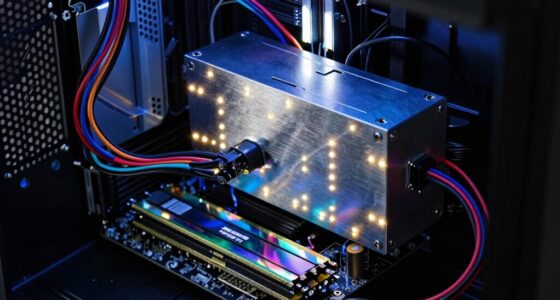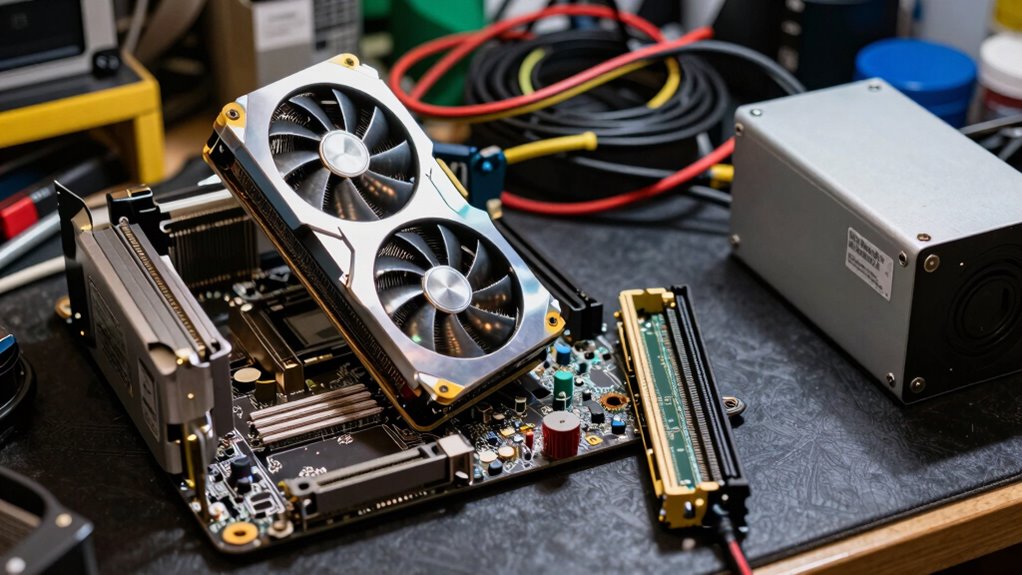

The ‘Big Three’ upgrade mistakes happen when you skip checking component compatibility, underestimate power supply needs, and overlook future upgrade potential. These errors often lead to system instability, hardware damage, and wasted money. Rushing into upgrades without proper planning can also limit performance gains and cause frustration. To avoid these pitfalls, it’s essential to carefully verify each part’s compatibility and long-term fit. Keep going for detailed tips to upgrade smarter and safer.
Key Takeaways
- Upgrading CPU, GPU, or RAM without verifying compatibility with the motherboard can cause system instability and hardware conflicts.
- Ignoring power supply capacity when upgrading high-demand components risks insufficient power and potential hardware damage.
- Failing to check component compatibility, such as RAM type or motherboard support, leads to performance bottlenecks and wasted expenses.
- Neglecting BIOS updates and case space considerations can prevent new components from functioning properly or fitting physically.
- Upgrading outdated platforms without considering future compatibility results in premature obsolescence and additional future upgrades.
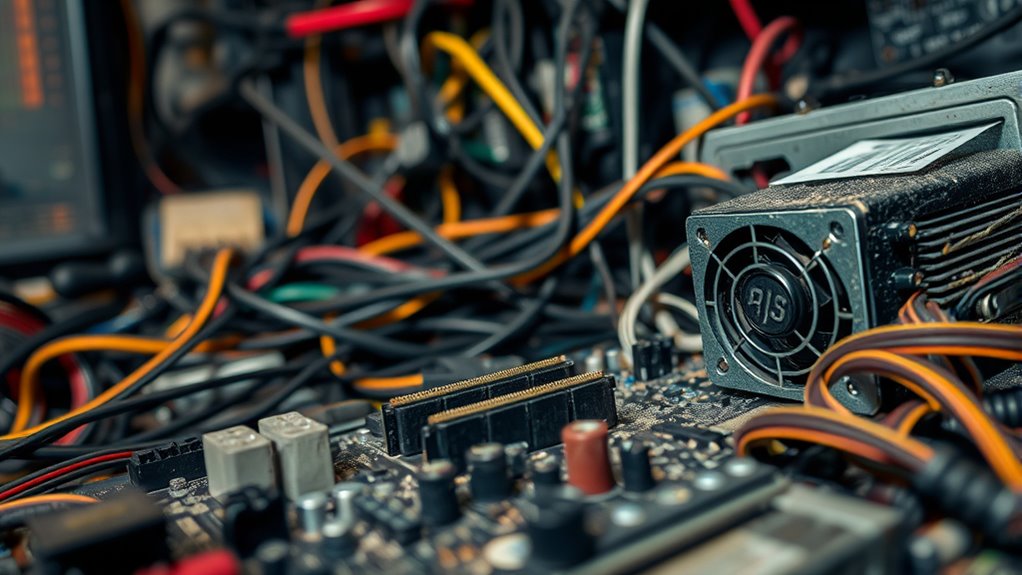
Upgrading your computer’s core components—the CPU, GPU, and RAM—can considerably boost performance, but it also comes with common pitfalls that can derail your plans. One of the biggest mistakes you might make is neglecting compatibility issues. Before you even buy new parts, you need to check if they’ll work with your existing system. Not all CPUs fit all motherboards, and newer GPUs might require more power or specific slots. RAM, too, varies in type and speed, and mismatched modules can cause stability problems. Failing to do proper upgrade planning means you might purchase components that won’t integrate smoothly, leading to frustration and additional expenses.
Ensure component compatibility before upgrading to avoid costly mismatches and system instability.
To avoid these mistakes, you should start by researching your system’s specifications thoroughly. Look up your motherboard model to understand its supported CPU socket, RAM type, and maximum capacity. If you’re upgrading the CPU, verify whether your motherboard’s BIOS needs an update to support the new processor. For GPU upgrades, ensure your power supply can handle the increased load and that your case has enough space. When it comes to RAM, check the supported speeds and maximum memory capacity. Planning ahead helps you avoid buying incompatible parts that won’t work right out of the box, saving you time and money. Additionally, understanding system compatibility is crucial for ensuring all components work harmoniously and deliver the performance you expect.
Another common error is rushing into upgrades without considering the full scope of your system. For example, upgrading the CPU or GPU without guaranteeing your power supply can deliver enough wattage can leave you facing stability issues or even hardware damage. Similarly, installing a faster RAM module without confirming motherboard support can lead to suboptimal performance or system crashes. When you skip proper upgrade planning, you risk bottlenecking your system or creating compatibility conflicts that negate the performance gains you’re seeking.
Additionally, overlooking the importance of future-proofing can be a mistake. While it’s tempting to buy the latest high-end parts, you should consider your long-term needs. If your motherboard is outdated, upgrading just the CPU might not unlock its full potential, and you may need a complete platform overhaul soon. By planning your upgrades carefully, you ensure that each component complements the others and that your system remains balanced and reliable. This approach minimizes the chances of running into compatibility issues down the line and maximizes your investment.

ECKDZMY Universal CPU Cooler Backplate Kit for Intel LGA 1151 1700 1851 1366 Sockets, Plastic Motherboard Mounting Bracket, Upgrade Replacement Base Plate for PC Air & Liquid Coolers
✅ Wide Intel Socket Compatibility This universal CPU cooler backplate supports Intel LGA 1851, 1700, 1151, 1150, 1155,…
As an affiliate, we earn on qualifying purchases.
As an affiliate, we earn on qualifying purchases.
Frequently Asked Questions
How Can I Identify if I’Ve Made a ‘Big Three’ Upgrade Mistake?
You can tell if you’ve made a ‘Big Three’ upgrade mistake by noticing issues like frequent electrical faults or dimming lights. To confirm, perform a wiring inspection to spot any improper connections or damaged wires. Also, evaluate your fuses to see if they’re blown or mismatched, which can indicate overloads or incorrect upgrades. Addressing these signs early helps prevent further damage and guarantees your system’s safety.
Are There Any Signs That Suggest Upgrading the ‘Big Three’ Isn’T Necessary?
If your vehicle’s battery health remains strong and you notice no wiring issues during inspection, upgrading the ‘Big Three’ might not be necessary. You won’t see significant improvements if your electrical system functions well. Before deciding, perform a wiring inspection and check your battery’s health. If both are in good shape, it’s best to hold off on upgrades, saving you time and money.
What Are Alternative Solutions to Upgrading the ‘Big Three’?
If you want alternatives to upgrading the ‘big three,’ consider using quality alternative wiring options and upgrading your battery management system. These solutions improve electrical flow and help prevent issues without the risks of a full upgrade. You can also install a high-quality fuse box or relay system to protect your vehicle’s electrical components. These options keep your system reliable and safe, avoiding unnecessary complications from a major upgrade.
How Often Should I Upgrade My Vehicle’s Electrical System?
You should upgrade your vehicle’s electrical system every 5 to 7 years or when you notice issues like dimming lights or battery drainage. While considering upgrades, focus on proper battery maintenance and fuse upgrades first, as these often prevent problems before they start. Think of it as keeping your car’s heart healthy; timely maintenance guarantees reliable performance without unnecessary, costly upgrades that could cause more issues.
Can I Fix ‘Big Three’ Issues Without Professional Help?
You can attempt to fix ‘Big Three’ issues yourself, but prioritize DIY safety and be aware of warranty concerns. Make sure you have proper tools, follow safety guidelines, and understand the electrical system thoroughly. Keep in mind, if you’re unsure or uncomfortable, professional help is safer to prevent damage or voiding your warranty. Always weigh the risks before tackling complex upgrades on your own.

Auotac 1000W Fully Modular Power Supply, 80+ Gold Certified PSU, ATX 3.1 & PCIe 5.1 Ready, 12V-2×6 Native Connector, 140mm RGB Low-Noise Smart Fan, 105℃ Japanese Capacitors, Black
80 PLUS GOLD CERTIFIED: Delivering gold-level performance with 92% efficiency, ensuring effective power transmission to your components.
As an affiliate, we earn on qualifying purchases.
As an affiliate, we earn on qualifying purchases.
Conclusion
Avoid these pitfalls, and you’ll steer clear of the rocky shoals that threaten your upgrade journey. Remember, rushing or skipping steps is like trying to build a sturdy bridge on shaky foundations—it’s doomed to falter. Instead, approach each upgrade with patience and precision, tending your digital garden carefully. When you nurture every detail, you’ll find your system blossoms with stability and growth, transforming potential chaos into a symphony of smooth performance.

Cooler Master MasterBox Q300L Micro-ATX PC Case – Compact mATX Computer Case with Magnetic Dust Filters, Modular Adjustable I/O Panel, Perforated Airflow Design, 1 x 120mm Pre-Installed Fan, Black
Ample Interior: Explore ample interior space for Micro-ATX or Mini-ITX motherboards, ensuring easy and future expansion
As an affiliate, we earn on qualifying purchases.
As an affiliate, we earn on qualifying purchases.

CORSAIR Vengeance LPX DDR4 RAM 32GB (2x16GB) 3200MHz CL16-20-20-38 1.35V Intel AMD Desktop Computer Memory – Black (CMK32GX4M2E3200C16)
Hand-sorted memory chips ensure high performance with generous overclocking headroom
As an affiliate, we earn on qualifying purchases.
As an affiliate, we earn on qualifying purchases.