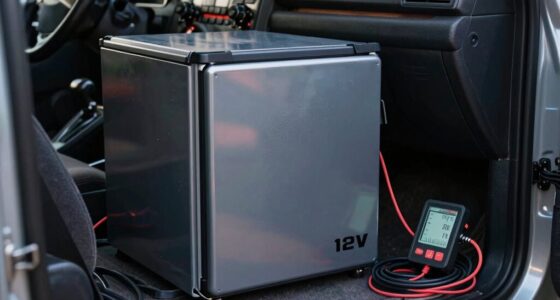
For proper circuit protection, you should place the fuse within 18 inches of the battery terminal. Keeping the fuse close minimizes unprotected wiring length and helps it respond quickly during faults or shorts, preventing damage and safety hazards. Installing it correctly guarantees reliable operation and safety for your system. If you want to learn more about ideal fuse placement and safety tips, you’ll find useful details as you continue exploring.

Get business pricing on garage and car supplies
- Business-only prices and quantity discounts
- Tax-exempt purchasing
- Multiple users, one account, clear invoices
Key Takeaways
- The fuse should be installed within 18 inches of the battery terminal for optimal protection.
- Placing the fuse closer minimizes unprotected wiring length and enhances safety.
- Industry standards support a maximum distance of 18 inches from the battery to the fuse.
- Shorter fuse-to-battery distance ensures prompt circuit interruption during faults.
- Proper placement prevents damage to wiring and reduces safety hazards.
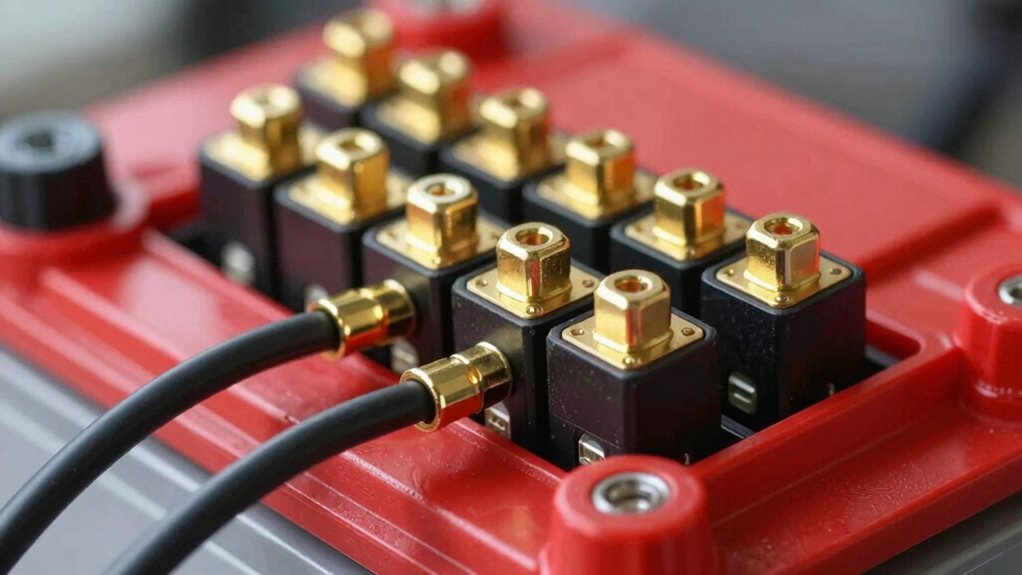
Have you ever wondered how to guarantee your electrical system stays safe and reliable? One key aspect is understanding fuse placement rules, especially how close to the battery you should position your fuses. Proper fuse placement is crucial for effective circuit protection and to prevent damage or safety hazards. When working with automotive or other DC electrical systems, safety guidelines emphasize placing fuses as close to the power source—namely, the battery—as possible. This minimizes the length of unprotected wiring, reducing the risk of shorts, sparks, or fires if a wire becomes damaged or malfunctions.
The general rule is that a fuse should be installed within a short distance from the battery terminal—typically within 18 inches or less. This isn’t just a random number; it’s based on industry standards and safety guidelines designed to ensure that any fault in downstream wiring gets promptly protected. If a short circuit occurs beyond the fuse, the wiring between the fuse and the battery remains unprotected, which can lead to dangerous situations. By placing the fuse close to the battery, you effectively cut off current flow early, reducing the risk of damage to your wiring and components, and increasing overall safety. Additionally, understanding the fuse placement rule is essential for maintaining a safe and efficient electrical system. Staying aware of circuit protection principles helps you make informed decisions during installation and troubleshooting.
You should also consider the type of fuse you’re using and the specific application. Always select a fuse rated for the maximum current your circuit will draw, and ensure it’s installed in a location that’s easily accessible for inspection or replacement. Keep in mind that the fuse holder or block should be mounted in a way that prevents accidental disconnections or damage. Proper installation and environmental considerations are important because exposing fuses to damp or excessively hot environments can compromise their effectiveness and safety. Using the right safety guidelines, such as avoiding placing fuses in damp or excessively hot environments, further enhances circuit protection. To further safeguard your system, it’s important to understand electrical safety protocols and how they relate to fuse placement and overall wiring practices.
Another important point is to follow manufacturer instructions and industry standards when installing fuses. These safety guidelines are designed to prevent electrical failures and accidents. Remember, the goal of proper fuse placement isn’t just about keeping your system working; it’s about protecting yourself and your property. Proper circuit protection minimizes the risk of fires, equipment damage, and personal injury. In summary, placing your fuse as close to the battery as possible—usually within 18 inches—is a fundamental safety guideline that helps ensure your electrical system remains reliable and safe. Paying close attention to this rule and following recommended safety practices guarantees a well-protected, efficient, and safe electrical setup.
As an affiliate, we earn on qualifying purchases.
Frequently Asked Questions
Can Fuse Placement Vary for Different Vehicle Types?
Yes, fuse placement can vary for different vehicle types. You should consider fuse material and installation techniques to guarantee proper protection. For example, some vehicles use blade fuses with specific placement rules, while others may require different fuse materials or mounting methods. Always follow manufacturer recommendations and local electrical codes, ensuring your fuse is installed close enough to the battery to protect wiring effectively without risking damage or interference.
What Are the Safety Risks of Improper Fuse Placement?
Improper fuse placement can pose serious safety risks, including electrical fires and component damage. Did you know that over 20% of vehicle electrical failures are due to incorrect fuse installation? When fuses aren’t positioned correctly, fuse durability decreases, risking blowouts, and wiring compatibility issues can cause shorts. Always place fuses close enough to the battery to guarantee maximum protection, preventing costly repairs and keeping you safe on the road.
How Do Ambient Temperatures Affect Fuse Positioning?
Ambient temperature greatly influences fuse performance and placement. In high temperatures, fuses can weaken or blow prematurely, so you should position them away from heat sources or areas with high ambient temperatures to guarantee reliable operation. Conversely, in colder environments, fuses may require closer placement to sustain ideal performance. Always consider ambient temperature when choosing fuse placement, as it helps prevent false blows or failures, ensuring safety and proper circuit protection.
Is There a Recommended Fuse Size for Specific Applications?
You should select fuse ratings based on your specific application standards and the electrical load. For example, light accessories might need a 5-10 amp fuse, while larger components require 20-30 amps. Always follow manufacturer recommendations and industry standards to prevent overcurrent damage. Proper fuse sizing guarantees safety and peak performance, so match fuse ratings precisely to your application’s requirements, avoiding undersized or oversized fuses for reliable protection.
How Often Should Fuse Connections Be Inspected?
You should inspect fuse connections at least once every six months to guarantee connection durability and safety. Check the fuse material for signs of corrosion or wear, and make sure the connections are tight and secure. Regular inspections help prevent electrical faults or failures caused by loose or damaged fuses. Keeping an eye on fuse quality and connection integrity ensures your system remains reliable and reduces the risk of electrical issues.
As an affiliate, we earn on qualifying purchases.
Conclusion
Remember, the right fuse placement isn’t just a technical detail—it’s a gentle safeguard for your valuable battery. By placing the fuse thoughtfully, you’re softly guiding the flow of safety and protection, ensuring your setup remains a comforting fortress. Treat this rule with care, as it quietly whispers peace of mind into your project. When you honor the close placement, you’re nurturing a safer, more resilient system that keeps your passion flowing smoothly and securely.
As an affiliate, we earn on qualifying purchases.
As an affiliate, we earn on qualifying purchases.
Fall Picks
fall essentials
As an affiliate, we earn on qualifying purchases.