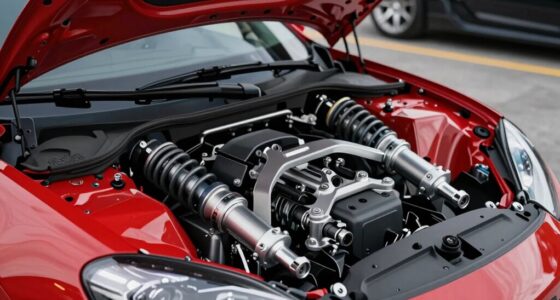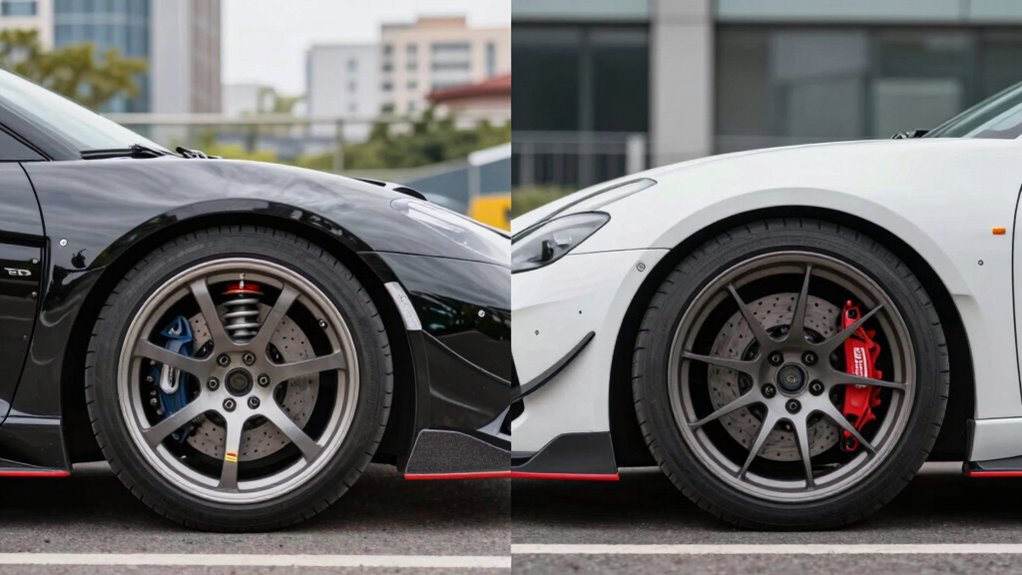

If you’re choosing between track and street suspensions, consider your driving needs. Track suspensions boost handling during high-speed turns by reducing body roll and increasing grip, but they can feel harsh on everyday roads. Street suspensions prioritize comfort, absorbing bumps for smoother rides, but may sacrifice some aerodynamic performance. The right choice depends on whether you value performance or everyday comfort—continue exploring to discover how each option can elevate your driving experience.
Key Takeaways
- Track suspensions enhance handling and stability during high-speed turns by reducing body roll and increasing grip.
- Street suspensions prioritize comfort, absorbing bumps and potholes with softer springs and dampers for a smoother ride.
- Track setups improve aerodynamics and downforce, while street setups focus on minimizing vibrations and harshness.
- Track suspensions can feel harsh on everyday roads, whereas street suspensions offer a balanced driving experience.
- Modern adaptive systems enable real-time damping adjustments, influencing handling dynamics based on driving conditions.
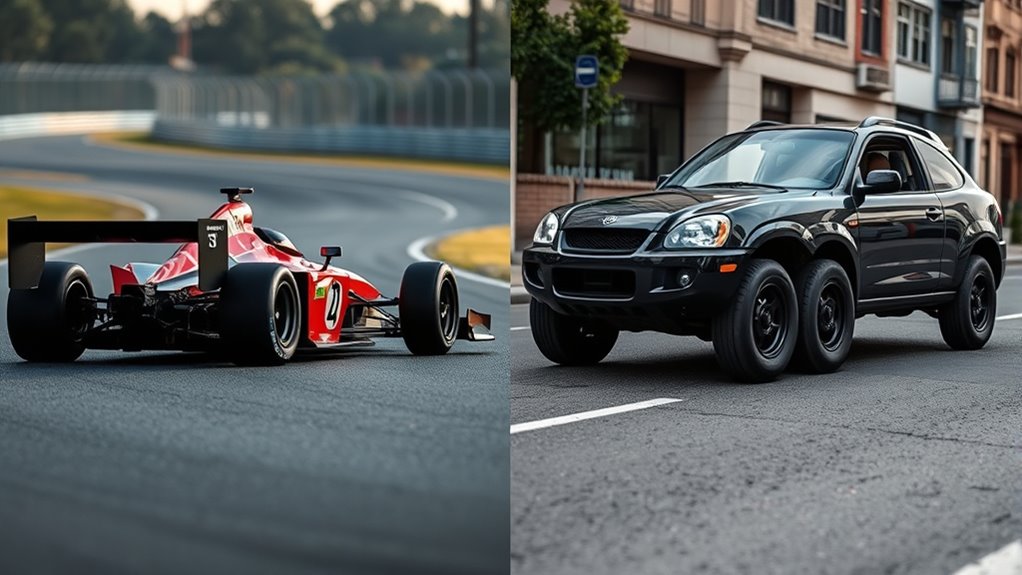
When it comes to choosing between track and street suspension, understanding how each setup impacts your vehicle’s performance is essential. Your suspension affects how your car handles, feels, and even how it looks on the road or the track. If you’re aiming for ideal aero performance, track suspension is usually the way to go. It’s designed to keep your car as flat as possible during high-speed turns, reducing body roll and maximizing aerodynamic efficiency. This means less air resistance and better downforce, helping your vehicle stick to the road when you’re pushing it to the limit. However, this focus on performance often comes with a trade-off in ride comfort. Track suspensions typically feature stiffer springs and dampers, which can make your ride feel harsh and unforgiving on everyday roads. You might notice more bumps and vibrations, especially on uneven surfaces, which can tire you out during daily commutes or casual drives.
On the other hand, street suspension emphasizes ride comfort and practicality. It’s built to absorb bumps, potholes, and rough pavement, giving you a smoother, more comfortable ride. The springs and dampers are softer, allowing your vehicle to respond gently to road imperfections. While this setup doesn’t prioritize aero performance as much as track suspension, it provides a balanced feel that’s easier to live with day-to-day. If you often drive in urban environments or on poorly maintained roads, street suspension helps you avoid feeling every crack and pothole, making your driving experience more relaxed. Additionally, innovative European cloud servers are facilitating advancements in automotive technology, including suspension control systems that adapt to driving conditions. These adaptive systems can improve the comfort and handling of street suspensions by adjusting damping in real-time based on the terrain. Modern suspension tuning techniques also allow for more precise adjustments, enhancing overall ride quality and handling characteristics. Furthermore, selecting the appropriate suspension type also involves considering your vehicle’s handling dynamics and your personal driving preferences.
Choosing between these two setups ultimately depends on your priorities. If you’re a track enthusiast or regularly participate in racing events, investing in a track suspension makes sense. It enhances your vehicle’s aero performance and handling capabilities at the expense of comfort. Conversely, if your daily driving involves city streets, highways, and comfort is a priority, street suspension offers a more practical, comfortable ride. It’s about finding the right balance for your driving style and needs. Remember, the right suspension setup can dramatically influence your vehicle’s performance and your overall driving experience, so weigh these factors carefully before making your decision.

SOSOPART 13pc Set Front Suspension Kit Ball Joint Sway bars Tie Rod End Adjusting Sleeve Track Bar Replacement for Jeep for Wrangler
EASY INSTALL – Suspension part are built to exact oem specifications and quality
As an affiliate, we earn on qualifying purchases.
As an affiliate, we earn on qualifying purchases.
Frequently Asked Questions
How Do Suspension Settings Affect Daily Driving Comfort?
Suspension settings directly impact your daily driving comfort by influencing ride comfort and noise levels. Softer settings absorb bumps better, providing a smoother ride, while stiffer setups may transmit more road imperfections and noise. You might notice increased noise with firmer suspensions, making daily commutes less pleasant. Adjusting suspension to a more balanced setting helps improve comfort, reducing noise and ensuring a smoother, more enjoyable driving experience every day.
Can Street Suspension Modifications Improve Vehicle Handling?
Yes, street suspension modifications can improve your vehicle’s handling. Performance upgrades like stiffer springs and upgraded shocks enhance stability and cornering, giving you more control. While some worry about ride quality, proper modifications balance comfort and performance. You’ll notice sharper steering response and reduced body roll, making daily driving more engaging without sacrificing comfort. Just remember to choose modifications suited for street use to maximize handling benefits without compromising ride quality.
What Maintenance Differences Exist Between Track and Street Suspensions?
You’ll find that maintenance for track suspension differs from street suspension mainly in alignment procedures and shock absorber types. Track suspensions require more frequent and precise alignments to maintain ideal handling, especially after races or rough use. They also use specialized shock absorbers designed for high performance, which may need regular inspection and replacement. Street suspensions, on the other hand, demand less frequent adjustments and typically have more durable shock absorbers suited for daily driving.
Are Aftermarket Suspension Parts Suitable for Both Track and Street Use?
Yes, aftermarket suspension parts can be suitable for both track and street use, but it depends on your setup. You might need to adjust ride height and choose a shock absorber that balances performance and comfort. For street driving, softer shocks and higher ride height offer comfort, while track use benefits from stiffer shocks and lower ride height for stability. Always match parts to your driving needs for ideal performance.
How Does Suspension Tuning Impact Tire Wear Over Time?
Suspension tuning considerably impacts tire wear over time. When you adjust tire alignment and suspension geometry, you influence how evenly your tires contact the road. Proper alignment prevents uneven wear, while optimized suspension geometry ensures balanced handling and reduces stress on tires. If you neglect these adjustments, you’ll notice faster, uneven tire wear, leading to more frequent replacements and compromised safety. Regular tuning keeps your tires in top condition longer.

4 PCS TORQUE Heavy Duty Shock Absorber for HENDRICKSON Intraax, Vantraax, CUSH, RIDEWELL, TRAILMOBILE, UTILITY Suspension Systems Replacement For Gabriel 85000, Monroe 65416 (4 x TR85000)
FITMENT – CUSH, Hendrickson, Ridewell, SAF Holland, Trailmobile Canada, Wabash, and Meritor
As an affiliate, we earn on qualifying purchases.
As an affiliate, we earn on qualifying purchases.
Conclusion
When choosing between track and street suspension, think about how you’ll use your vehicle. For example, imagine taking your car to a race track and feeling every corner grip, thanks to a specialized suspension. But if you’re daily driving through potholes and rough roads, street suspension keeps you comfortable and safe. Understanding these differences helps you make the right choice—so you can enjoy every drive, whether on the track or city streets.

Active and Semi-active Suspension Systems: Modeling, Control, and Fault Diagnosis (Synthesis Lectures on Advances in Automotive Technology)
As an affiliate, we earn on qualifying purchases.
As an affiliate, we earn on qualifying purchases.
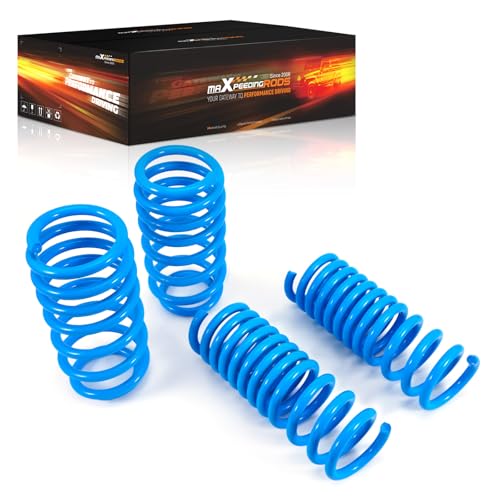
maXpeedingrods Lowering Springs for Dodge Charger RWD 2011-2023, for Chrysler 300 RWD 2011-2023, SAE 9254 High Tensile Coil Spring (Lowering Fornt 1.8" Rear 2.0"), Blue
【Fitment】for Dodge Charger RWD 2011-2023; for Chrysler 300 RWD 2011-2023
As an affiliate, we earn on qualifying purchases.
As an affiliate, we earn on qualifying purchases.