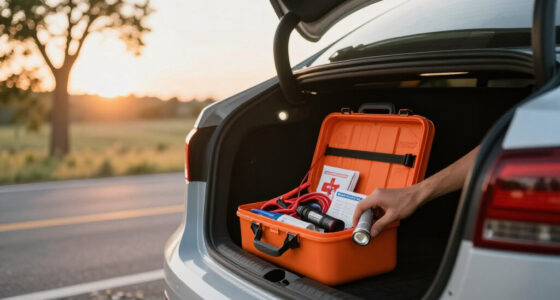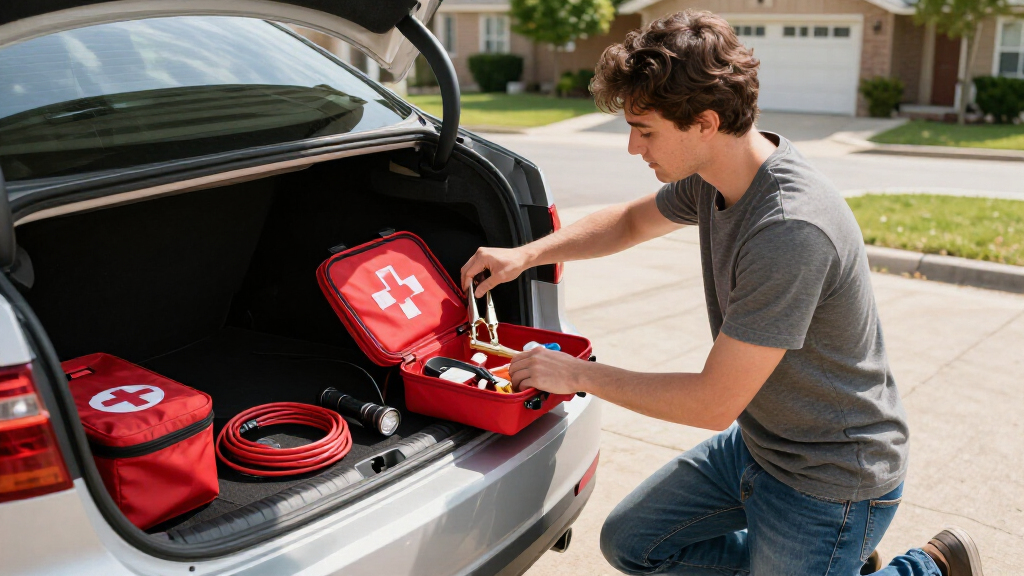
This guide provides clear instructions to assemble a complete car emergency kit, ensuring you’re prepared for breakdowns, accidents, or other roadside emergencies. Suitable for all drivers, this kit helps you handle common problems safely. Completing this task takes approximately 30 to 45 minutes and results in a reliable emergency supply ready for use.

Get business pricing on garage and car supplies
- Business-only prices and quantity discounts
- Tax-exempt purchasing
- Multiple users, one account, clear invoices

Everlit Survival Car Emergency Kit with Tire Inflator, First Aid, Jumper Cables, and More
- ✔ Tire Inflator: Digital auto air compressor with auto shutoff and LED light
- ✔ Jumper Cables: 12 feet, 8 gauge, 300 amp, copper-clad aluminum
- ✔ First Aid Kit: 108 pieces including bandages, antiseptics, and safety tools

Car Roadside Emergency Kit, Portable Car Safety Kit for Emergency, Black
- ✔ Material: PVC exterior, copper wire interior
- ✔ Use: Emergency preparedness, winter weather, road trips
- ✔ Color: Black
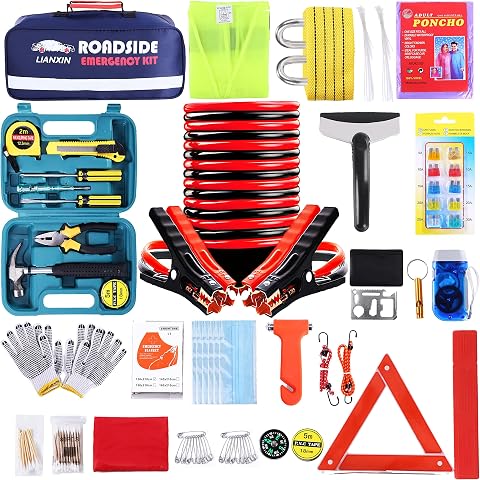
142 PCS Emergency Roadside Kit for Car with Jumper Cables
- ✔ Number of Pieces: 142
- ✔ Jumper Cables Length: 8.2 feet
- ✔ Material: PVC, high-carbon steel
Difficulty: Beginner | Time: 30-45 minutes
What You’ll Need
Tools & Materials:
- Screwdriver (if needed for organizing supplies)
- Pen and paper (for checklist)
- Reusable containers or bags for organization
Knowledge:
- Basic understanding of vehicle safety
- Awareness of common roadside emergencies
Gather all items before starting to streamline the assembly process. Check expiration dates on perishable supplies like first aid items or food.
Everlit Survival Car Emergency Kit with Tire Inflator, First Aid, Jumper Cables, and More
The Everlit Survival Car Emergency Kit is designed for those seeking an all-in-one safety solution. It includes a reliable digital tire inflator with auto shutoff, a 108-piece first aid kit, jumper cables, and additional tools like a tow strap and warning triangle. Compared with more minimal kits, its broad array of safety accessories makes it ideal for handling a wide range of roadside emergencies. However, its size and weight may be less suitable for drivers looking for a compact option, and the first aid supplies may be limited for severe injuries. Overall, this kit makes sense for drivers who want peace of mind in one package, but it does come with a tradeoff of bulk and cost.
Pros:
- Includes a wide range of essential safety tools and accessories
- Compact and lightweight design for easy storage
- Reliable auto tire inflator with auto shutoff
Cons:
- May be bulky for minimal car emergency kits
- Some users might find the first aid supplies limited for serious injuries
Best for: Drivers who want a comprehensive, ready-for-anything emergency kit.
Not ideal for: Those seeking a lightweight, minimal setup or very budget-conscious buyers.
Bottom line: Best overall for a comprehensive, all-in-one emergency solution that balances safety with convenience.
“Best overall for a comprehensive, all-in-one emergency solution that balances safety with convenience.”
Car Roadside Emergency Kit, Portable Car Safety Kit for Emergency, Black
This portable and compact emergency kit is designed with convenience in mind. Made with durable PVC exterior and copper wire interior, it’s perfect for drivers who need a lightweight, organized solution for winter weather, road trips, or daily commuting. While it’s praised for its portability and high-quality materials, it offers limited transparency about its exact contents, which could be a drawback for those wanting detailed control over what’s included. The absence of specific item lists makes it less ideal for those seeking a fully customizable emergency setup, but it’s a solid choice for casual drivers and new car owners who want peace of mind without bulk.
Pros:
- Compact and portable for easy storage
- Contains essential emergency tools and supplies
- Made with durable, premium materials
Cons:
- Lacks detailed list of included items
- No specific information on contents or quantity
- No price information available
Best for: Drivers who prefer a sleek, portable kit for occasional emergencies.
Not ideal for: Those who want a detailed or extensive set of tools or have specific needs for repairs.
Bottom line: Ideal for drivers who prioritize portability and quality over extensive contents.
“Ideal for drivers who prioritize portability and quality over extensive contents.”
142 PCS Emergency Roadside Kit for Car with Jumper Cables
The 142 PCS Emergency Roadside Kit is the most comprehensive option in this lineup, featuring jumper cables, a snow shovel, warning signs, and a wide array of tools like pliers, screwdrivers, and safety blankets. It’s designed for outdoor enthusiasts or drivers who want to be prepared for more serious breakdowns and outdoor emergencies. Its durable construction and high-quality materials, like high-carbon steel and PVC, ensure longevity. However, some of its tools are basic and may not suffice for professional repairs, and the detailed durability of each item isn’t specified. This kit makes the most sense for those who frequently travel in remote areas or want a broad, outdoor-ready emergency setup, but it may be overkill for everyday city driving.
Pros:
- Extensive set with essential roadside and emergency tools
- Durable and safe jumper cables with insulating rubber sleeves
- Compact and lightweight for outdoor use
Cons:
- Some tools may be basic for professional repairs
- Limited information on the durability of all included items
- No specific warranty details provided
Best for: Outdoor drivers or those preparing for serious roadside emergencies.
Not ideal for: Casual city drivers or anyone seeking a lightweight, minimalist kit.
Bottom line: Best for outdoor adventures and drivers needing a broad, all-encompassing roadside emergency kit.
“Best for outdoor adventures and drivers needing a broad, all-encompassing roadside emergency kit.”
As an Amazon Associate we earn from qualifying purchases.
Before You Start
Review your vehicle’s size and storage options to choose appropriate container sizes. Confirm your driving region’s climate and potential hazards to customize your kit. Remember to check local regulations about carrying certain items, like flares or fire extinguishers.
Step-by-Step Instructions
Step 1: Select an appropriate container
Choose a sturdy, weather-resistant container such as a plastic storage bin, backpack, or dedicated car organizer to hold your supplies. Ensure it fits in your vehicle’s trunk or under a seat without obstructing access.
Tip: Use clear containers to quickly identify contents. Label compartments if possible for easier access during emergencies.
Check: The container is secure, accessible, and holds all planned supplies without overstuffing.
Step 2: Gather essential safety tools
Collect basic safety equipment: a reflective warning triangle or flares, a high-visibility vest, a sturdy flashlight with extra batteries, and a tire pressure gauge. Place these items at the top for easy access.
Tip: Test the flashlight before storing to confirm it works and replace batteries annually.
Check: Safety tools are intact, functional, and ready for immediate use.
Step 3: Include basic vehicle maintenance supplies
Add a spare tire in good condition, a jack, lug wrench, jumper cables, and a tow strap. Verify the spare tire is properly inflated and the tools fit your vehicle’s specifications.
Tip: Practice using the jack and lug wrench at home to prevent confusion during an emergency.
Check: All maintenance items are present, functional, and compatible with your vehicle.
Step 4: Pack first aid supplies
Include a well-stocked first aid kit with bandages, antiseptic wipes, adhesive tape, pain relievers, scissors, tweezers, and any personal medications. Ensure contents are within expiration dates.
Tip: Customize your kit to include specific medications or supplies needed for family members.
Check: First aid supplies are complete, organized, and within expiration dates.
Step 5: Add emergency food and water
Include non-perishable snacks like granola bars, nuts, or dried fruit, and bottled water—enough for at least 24 hours for all passengers.
Tip: Use sealed, durable containers to prevent leaks and spoilage.
Check: Food and water supplies are stored securely and are within expiration dates.
Step 6: Include communication devices
Ensure your cell phone is charged and consider adding a portable charger or power bank. Include a list of emergency contacts and local roadside assistance numbers.
Tip: Save important numbers into your phone and keep a written copy in the kit.
Check: Communication devices are operational, and contacts are accessible.
Step 7: Add additional emergency items
Include a multi-tool, duct tape, a small fire extinguisher (if permitted), windshield washer fluid, and a blanket or warm clothing for cold weather.
Tip: Check fire extinguisher pressure and expiration date regularly.
Check: Additional items are present, functional, and suitable for your climate.
Step 8: Organize and secure the kit
Arrange all items systematically within the container. Use smaller bags or compartments for easy access to frequently used items, and secure the kit in your vehicle to prevent movement during drives.
Tip: Place frequently needed items near the top or in accessible pockets.
Check: All supplies are organized, secure, and easily reachable in an emergency.
Common Mistakes to Avoid
- Overloading the kit with unnecessary items — Focus on essential supplies based on your vehicle and regional risks to keep the kit manageable and accessible.
- Ignoring expiration dates on supplies — Regularly check and replace expired items, especially first aid supplies and food.
- Not securing items in the vehicle — Use straps, containers, or organizers to prevent supplies from shifting or falling during transit.
Troubleshooting
Problem: Kit is too bulky or doesn’t fit in the vehicle
Solution: Select a smaller container or distribute supplies across multiple compartments, prioritizing essentials.
Problem: Supplies are missing or incomplete after a check
Solution: Review your checklist, identify missing items, and replenish supplies promptly.
Problem: Supplies are expired or damaged
Solution: Inspect all items regularly and replace anything past its expiration or showing signs of damage.
What Success Looks Like
The assembled kit is compact, organized, and contains all essential safety, maintenance, first aid, and emergency supplies. It is stored securely in your vehicle and ready for immediate use in an emergency. You can quickly locate and use each item as needed, and the contents are in good condition.
Next Steps
Schedule quarterly checks to maintain the kit’s contents, replace expired items, and update supplies for seasonal needs. Practice using key tools like the jack and jumper cables at home to increase confidence. Keep a list of emergency contacts in the vehicle and update it regularly. Consider informing family members of the kit’s location and contents.
Frequently Asked Questions
How often should I check my car emergency kit?
Inspect your kit at least every three months to replace expired items, check the condition of supplies, and update contents as needed.
What items are essential for cold weather emergencies?
Include warm clothing, blankets, a small shovel, extra windshield washer fluid, and a heat source like hand warmers if safe and permitted.
Can I include food and water in my emergency kit?
Yes. Use non-perishable snacks and sealed bottled water, ensuring supplies are within expiration dates and stored securely.
What safety precautions should I take when using a fire extinguisher?
Read the instructions carefully, aim at the base of the fire, and keep a safe distance. Only use if the fire is small and manageable.
Fall Picks
fall essentials
As an affiliate, we earn on qualifying purchases.