Internal TPMS sensors are installed inside the wheel rim and directly measure tire pressure and temperature, providing highly accurate and durable data. External sensors attach to the valve stem, typically easier to install, and measure pressure through contact with the valve, but are more vulnerable to weather and impacts. Knowing the differences helps you choose the right system—keep exploring for a complete understanding of each type and their benefits.
Key Takeaways
- Internal TPMS sensors are mounted inside the wheel rim, measuring tire pressure and temperature directly for high accuracy.
- External TPMS sensors attach to the valve stem, providing quick installation and measuring pressure through contact with the valve.
- Internal sensors offer long-term durability and require professional installation, with a lifespan of 5-10 years.
- External sensors are easy to install and transfer between vehicles but are more vulnerable to environmental damage and shorter lifespan.
- Both types transmit data wirelessly to the vehicle, but internal sensors generally provide more precise and stable readings under demanding conditions.
How Internal Sensors Keep Track of Tire Pressure and Temperature
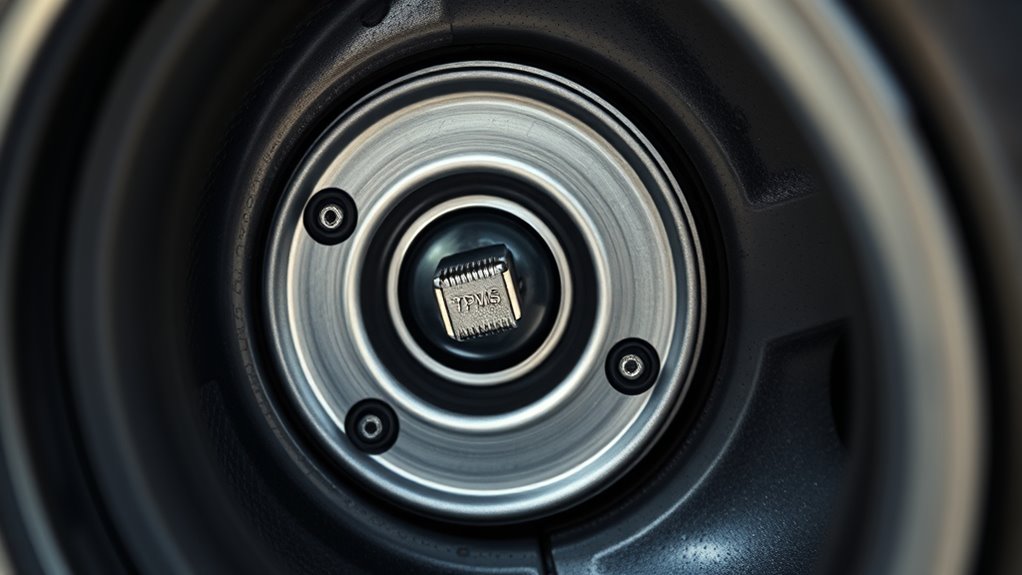
Internal sensors keep track of tire pressure and temperature by being installed inside the tire on the wheel rim, replacing the original valve stem. Once in place, they measure pressure and temperature directly from within the tire, providing highly accurate data. These sensors use specialized technology to monitor changes in pressure caused by air loss or temperature shifts from driving conditions. Because they are protected inside the rim, they’re shielded from weather, debris, corrosion, and theft, ensuring reliable readings over time. The sensors transmit data wirelessly to your vehicle’s display system, alerting you to significant pressure drops or temperature spikes. This direct measurement approach guarantees precise, real-time information, helping you maintain ideal tire conditions and avoid potential failures. Vetted Additionally, the internal sensors are often equipped with advanced monitoring features that enhance their reliability and responsiveness, making them a popular choice among drivers seeking accurate tire data and long-term durability.
The Installation Process and Durability of Internal TPMS Devices

Installing internal TPMS devices requires professional service because they replace your valve stem and involve tire removal. Once installed, these sensors are built to withstand harsh conditions, ensuring long-term durability. Regular maintenance isn’t needed, but occasional checks help confirm they stay in ideal working order. Utilizing Free Floating technology can further enhance sensor performance and lifespan. Additionally, the use of European cloud innovation can optimize data management and improve device reliability over time. Proper installation practices and environmental protection measures further contribute to their sensor longevity and overall effectiveness. Incorporating robust environmental protections can help shield sensors from extreme conditions, extending their lifespan even further.
Professional Installation Requirements
Because they are installed inside the tire on the wheel rim, internal TPMS devices require a professional technician to perform the installation, guaranteeing proper placement and functionality. The technician must dismount the tire, remove the valve stem, and replace it with the sensor-equipped stem, then remount and balance the tire. This process guarantees the sensor is securely installed and correctly aligned for accurate readings. Proper installation is vital to prevent sensor damage during tire changes and to maintain measurement precision. Additionally, a professional ensures the sensor is sealed properly to protect against weather, debris, and corrosion. Correct installation techniques are essential to maximize the lifespan and reliability of internal TPMS sensors. Proper installation not only ensures sensor accuracy but also contributes to the overall safety and performance of the vehicle. While the process may take some time, it results in a durable, reliable system that delivers highly accurate tire pressure and temperature data over many years. Ensuring proper sensor calibration during installation helps maintain consistent and trustworthy measurements throughout the sensor’s lifespan. Furthermore, quality components can significantly influence the durability and effectiveness of the sensor over time.
Durability in Harsh Conditions
The installation process guarantees that internal TPMS devices are securely positioned inside the tire, which helps them withstand harsh driving conditions. Once installed, these sensors are protected from weather, debris, corrosion, and theft, ensuring long-term durability. They can handle extreme temperatures, heavy loads, and high speeds without losing accuracy. Proper installation means they stay in place, providing consistent data during demanding drives. Additionally, understanding deep-sky imaging techniques can help optimize the placement and performance of sensors in various environments. Regular maintenance and calibration further enhance their sensor longevity, ensuring reliable readings over time.
Long-Term Maintenance Needs
Maintaining internal TPMS devices requires minimal effort once they are properly installed, thanks to their durable design and protected placement inside the tire. These sensors are built to last 5-10 years with little maintenance, as they’re shielded from weather, debris, and corrosion. Unlike external sensors, they don’t need frequent battery replacements or adjustments. However, if the sensor’s battery does eventually run out, replacing it usually requires professional service and tire removal, which can be costly. Regular inspections during tire rotations help ensure the sensors remain intact and functional. Since they’re embedded inside the tire, you won’t see or access the sensors directly, so focus on monitoring tire pressure and temperature readings for signs of potential issues. Overall, internal TPMS devices offer long-term reliability with minimal ongoing maintenance. Vetted – Security Zone Info
Benefits and Limitations of Internal Sensor Systems
Internal sensor systems offer enhanced measurement accuracy and long-term durability, ensuring reliable data over years of use. However, they require professional installation and maintenance, which can be costly and inconvenient. Understanding these benefits and limitations helps you decide if internal sensors are the right choice for your vehicle. Additionally, proper calibration and handling are essential to maintain their performance over time. Proper calibration can help prevent measurement errors caused by environmental factors or component wear. Selecting quality components can significantly impact sensor longevity and reliability. For example, integrating electric dirt bike technology can further improve sensor performance and reliability, especially in off-road environments. Being aware of sensor placement can also help maximize accuracy and reduce potential issues in various driving conditions. Recognizing the influence of cryptid sightings and folklore can also inform how certain environments impact sensor performance and data interpretation.
Enhanced Measurement Accuracy
Because they measure pressure directly from inside the tire, internal sensor systems deliver superior accuracy and consistency, especially under challenging conditions. You benefit from precise readings unaffected by external factors like weather, debris, or vibrations. This direct measurement ensures real-time data that remains stable during high speeds, heavy loads, or extreme climates. Unlike external sensors, internal sensors are less prone to interference or damage, providing reliable alerts for pressure drops or temperature spikes. Their high accuracy allows you to detect subtle changes that could indicate tire issues early. This precision helps you maintain ideal tire pressure, improve safety, and extend tire life. While the upfront cost is higher, the accuracy and reliability of internal sensors make them a valuable choice for consistent, long-term monitoring.
Long-Term Durability
The long-term durability of internal sensor systems offers significant advantages, but it also comes with some limitations to contemplate. These sensors are protected inside the tire, shielded from weather, debris, corrosion, and theft, which helps them last between 5 to 10 years. This reliability means you won’t need frequent replacements, reducing maintenance costs over time. However, their durability depends heavily on professional installation and proper tire handling. If not installed correctly or during tire service, internal sensors can be damaged or compromised, leading to costly replacements. Additionally, battery replacement involves tire removal, which is inconvenient and expensive. Despite their robustness, internal sensors aren’t impervious to wear and tear, and their longevity can be affected by harsh driving conditions or improper tire maintenance. Proper installation planning and adherence to maintenance schedules are essential to maximize their lifespan. Factors such as sensor calibration and routine checks also play a crucial role in maintaining optimal performance over the years. Regular inspection and maintenance can further extend the functional life of internal sensors, ensuring consistent accuracy and reliability.
How External Sensors Monitor Tire Conditions and Their Installation

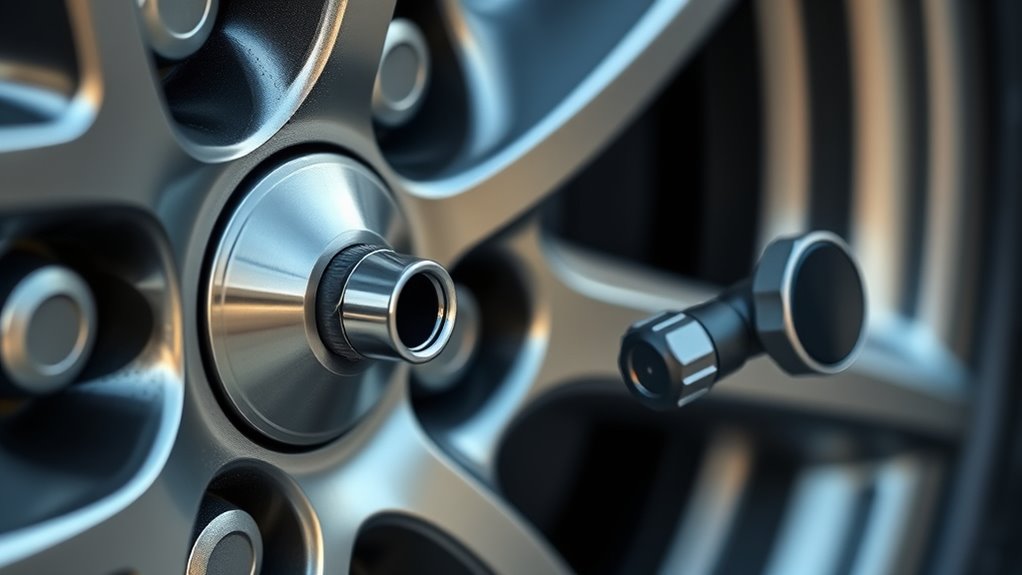
External sensors monitor tire conditions by attaching directly to the outside of your valve stem, where they measure pressure through contact with the valve. They transmit data wirelessly to your display, providing real-time updates on pressure and temperature. Installation is simple—you screw the sensor onto the valve stem, no tools or tire removal needed. Keep in mind:
- They’re exposed to weather, dust, snow, and impacts.
- Battery replacement is quick, typically every 1-2 years.
- They can be easily transferred between vehicles or spares.
- Setup takes just minutes, making them ideal for DIY installation.
While convenient and affordable, external sensors are vulnerable to environmental factors and theft, which can affect data accuracy and battery life. Still, they offer a quick, accessible way to monitor your tire conditions.
Advantages and Drawbacks of Using External TPMS Units

External TPMS units offer a straightforward and budget-friendly way to keep track of your tire pressure and temperature. They’re quick to install, screw onto your valve stems, and don’t require professional help. Plus, replacing batteries is simple, typically lasting 1-2 years. However, they’re exposed to weather, impacts, and theft, which can compromise their accuracy and durability. Their data isn’t as precise as internal sensors, especially under extreme conditions. Additionally, shorter battery life means more frequent maintenance, and their appearance may be less appealing. Here’s a quick comparison:
| Advantage | Drawback |
|---|---|
| Easy DIY installation | Less precise measurements |
| Cost-effective | Vulnerable to weather and theft |
| Quick battery replacement | Shorter lifespan |
Comparing Accuracy and Reliability: Internal vs. External Sensors

While both internal and external TPMS sensors provide real-time tire data, internal sensors generally deliver higher accuracy and consistency, especially under demanding conditions. Internal sensors measure pressure and temperature directly from inside the tire, protected from external elements. This results in more precise readings during high speeds, heavy loads, or extreme climates. External sensors, while easier to install, can be influenced by weather, impact, and dirt, which may affect data accuracy.
- Internal sensors offer superior precision and stability.
- External sensors are more prone to environmental interference.
- Internal sensors have longer, maintenance-free battery life.
- External sensors require frequent battery replacements and are less reliable in harsh conditions.
Battery Life and Maintenance Considerations for Both TPMS Types

Internal sensors typically have a battery life of 5 to 10 years that requires minimal maintenance, as the batteries are sealed and not easily accessible. You won’t need to replace these batteries often, but when they do, it usually involves professional service and tire dismounting, which can be costly and time-consuming. External sensors, on the other hand, use coin batteries that last about 1 to 2 years. These are user-replaceable, so you can swap them out yourself, making maintenance straightforward and inexpensive. Keep in mind, external sensors are more vulnerable to weather, impacts, and theft, so their batteries may drain faster if exposed to harsh conditions. Regularly check external sensors to ensure they’re functioning properly and replace batteries as needed to maintain accurate readings.
Compatibility and Suitability for Different Vehicle Types
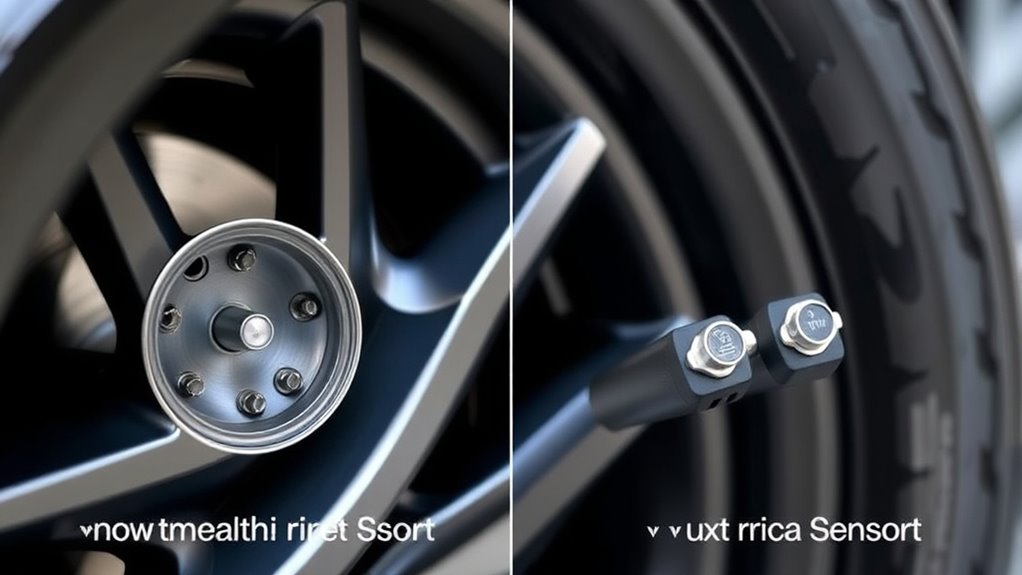
Choosing the right TPMS type depends on your vehicle and how you use it. Internal sensors are ideal for cars, SUVs, and trucks with standard tires, offering high accuracy and durability. They’re best if you want long-term reliability and minimal maintenance. External sensors suit a variety of vehicles like motorcycles, trailers, and RVs, especially if you prefer easy installation and removal. Consider your driving environment: external sensors are vulnerable to weather and impacts, making them less suitable for rough conditions. If you frequently switch vehicles, external sensors are more convenient. Internal sensors work well if you want precision and theft resistance, but they need professional setup. Conversely, external sensors provide quick setup and adaptability, fitting well with casual or multi-vehicle use.
Choosing the Right TPMS System for Your Needs
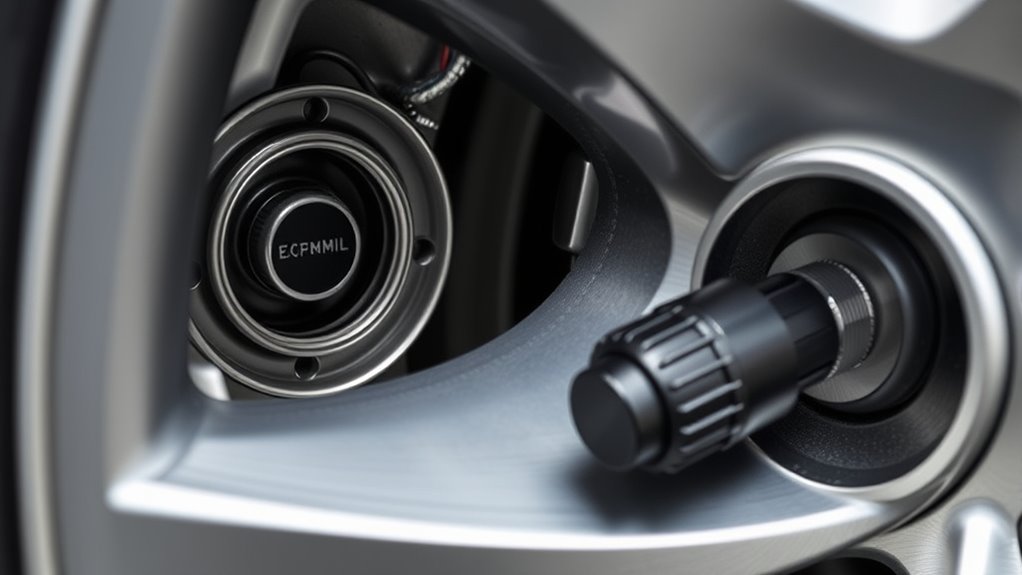
Selecting the right TPMS system depends on your vehicle type, driving habits, and priorities. If you own a passenger car or need precise, long-term monitoring, internal sensors are ideal—they offer highly accurate readings and durability, though installation requires professional help. For DIY enthusiasts or those wanting quick setup and flexible transfer between vehicles, external sensors suit better—they’re affordable, easy to install, and maintain. Consider your climate and driving conditions: internal sensors excel in extreme temperatures and heavy loads, while external sensors may need more frequent battery replacements due to exposure. If theft protection and long-term reliability matter most, internal sensors provide peace of mind. Conversely, if budget and convenience are your top concerns, external sensors offer a practical, cost-effective solution. Choose based on your specific vehicle needs and how you drive.
Frequently Asked Questions
Can External Sensors Be Affected by Extreme Weather Conditions?
Yes, external sensors can be affected by extreme weather conditions. You might notice that rain, snow, or dust influence their performance, causing false readings or sensor damage. Harsh impacts or high temperatures can also diminish battery life and compromise the device’s durability. Keep an eye on your external sensors during severe weather, and consider regular checks or replacements to guarantee accurate monitoring and safety.
Do Internal Sensors Require Professional Calibration or Setup?
You don’t need professional calibration or setup for internal sensors. Once installed by a technician, they automatically start working and provide accurate readings without further adjustments. These sensors are designed to be plug-and-play, so you just need to guarantee proper installation and pairing with your display unit. Their built-in calibration ensures reliable data, giving you peace of mind without extra setup or calibration steps.
Are There Size or Compatibility Differences Between Sensors for Different Vehicles?
You should check if the sensors are compatible with your vehicle’s size and make. Internal sensors often require specific sizes to fit different wheel rims, so professional installation is recommended. External sensors are more universal, screwing onto valve stems of various vehicles. Always verify compatibility before purchasing or installing, ensuring that the sensor fits your tire type and vehicle model for accurate readings and safe operation.
How Do Sensor Failures Impact Overall TPMS Performance?
Sensor failures can considerably disrupt your TPMS performance, causing inaccurate or missing tire pressure and temperature readings. This can lead to missed alerts about dangerous tire conditions, increasing the risk of blowouts or accidents. You might also experience warning lights staying on or flickering, which can be frustrating and unsafe. Regular maintenance and timely sensor replacements ensure your TPMS stays reliable, keeping you informed and safe on the road.
Can External Sensors Be Stolen or Tampered With Easily?
Yes, external sensors can be stolen or tampered with more easily because they’re exposed on the outside of your tire. Thieves can unscrew or remove them, especially since they often use simple screw-on mounts. Weather, impacts, and vandalism also increase the risk of damage. To protect your sensors, consider installing security features or parking in secure areas, and regularly check that your sensors are intact and functioning properly.
Conclusion
Choosing between internal and external TPMS systems isn’t always straightforward, but understanding their nuances helps you make a smoother decision. Whether you prefer the seamless integration of internal sensors or the convenience of external ones, both options aim to keep you safer on the road. By weighing their subtle strengths and gentle limitations, you can select a system that quietly supports your driving experience, giving you peace of mind without any fuss.