
Permanent codes are long-term access credentials that stay valid indefinitely, making it easier for you to manage security without frequent renewals. They’re used in systems like employee badges or security access, offering continuous access for authorized users. However, if these codes fall into the wrong hands, they can pose security risks. Safeguarding them with encryption and layered security guarantees protection. To discover more about how these codes work and the measures to keep them safe, keep exploring further.

Get business pricing on garage and car supplies
- Business-only prices and quantity discounts
- Tax-exempt purchasing
- Multiple users, one account, clear invoices
Key Takeaways
- Permanent codes are digital identifiers designed to provide indefinite access without renewal or expiration.
- They simplify long-term security management by eliminating the need for periodic updates.
- Security risks include potential misuse if codes are compromised or improperly protected.
- Strong encryption and layered security protocols are essential to safeguard permanent codes.
- Regular security audits and immediate deactivation options help manage and revoke access when necessary.
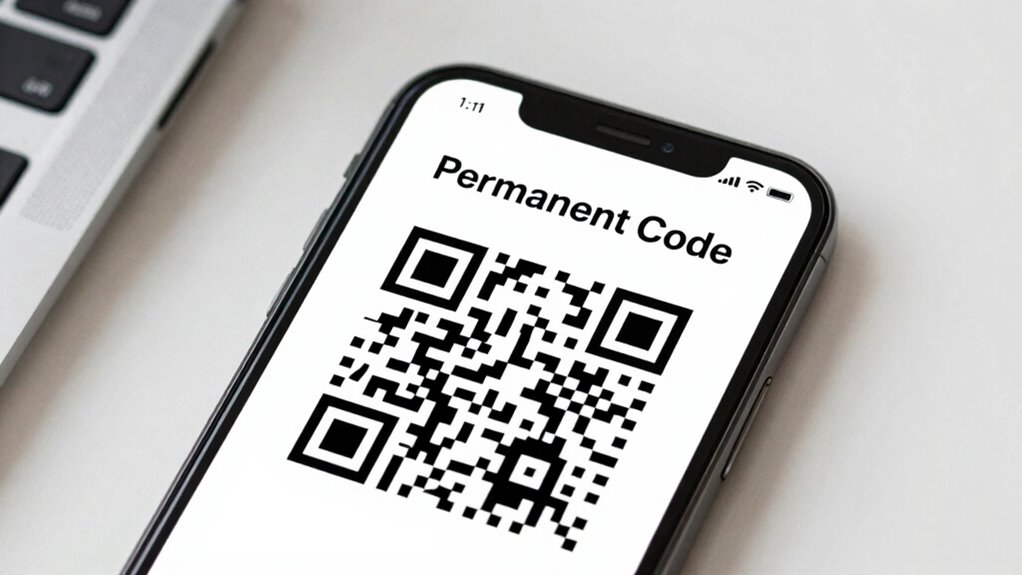
Have you ever wondered how certain codes remain valid indefinitely, providing ongoing access without the need for renewal? These are what we often call “permanent codes.” Unlike traditional access methods that require periodic updates or renewals, permanent codes are designed to stay active for as long as they’re needed, making them a powerful tool in digital security and access control. They’re commonly used in systems where long-term access is essential, such as employee badges, security systems, or membership privileges.
The core idea behind permanent codes is simplicity combined with durability. When you’re granted a permanent code, it’s embedded in a secure digital system that recognizes it consistently, without expiration dates or renewal processes. This means you don’t have to worry about losing access due to a forgotten renewal; once assigned, the code remains valid indefinitely. From a security perspective, this can be both an advantage and a risk. On the one hand, it streamlines access control, reducing administrative overhead and ensuring continuous access without interruptions. On the other hand, if a permanent code falls into the wrong hands, it could potentially be misused for an extended period unless proper safeguards are in place.
Digital security measures are essential when deploying permanent codes. Strong encryption and secure storage are fundamental to prevent unauthorized access. Many systems incorporate layered security protocols, such as multi-factor authentication or activity monitoring, to mitigate the risks associated with long-lasting codes. Administrators also often implement revocation mechanisms—so if a code needs to be invalidated for any reason, they can deactivate it immediately, maintaining control over who has access. Additionally, understanding digital security principles helps in designing systems that protect these codes effectively, especially since long-term access increases the importance of proactive security measures. Proper management of access control is crucial to ensure that permanent codes serve their purpose without compromising safety. Furthermore, regular security audits and updates can help identify vulnerabilities associated with permanent codes, ensuring ongoing protection. As technology advances, innovations such as automation can assist in monitoring and managing these security protocols more efficiently.
As an affiliate, we earn on qualifying purchases.
Frequently Asked Questions
How Are Permanent Codes Generated and Assigned?
You’re assigned permanent codes through a system-generated process that guarantees uniqueness and consistency. During code generation, the system creates a specific code based on predefined algorithms or rules. Once generated, the system assigns this code to you, making it permanent and unchangeable. This process guarantees that each code remains consistent across various systems, providing a reliable way to identify and track you within the database or records.
Can Permanent Codes Be Changed or Updated Later?
No, permanent codes typically aren’t changed or updated later because of their intended code longevity. Updating procedures usually don’t apply to these codes, as they’re meant to stay consistent over time to guarantee reliable identification. If a situation demands a change, you’d generally need to issue a new code instead. This approach helps maintain stability and clarity, making sure everyone understands the code’s meaning without confusion.
Are Permanent Codes Unique Across Different Systems?
Permanent codes are generally unique within a specific system but may not be across different systems due to code redundancy and varying standards. This means your code might be recognized differently elsewhere, affecting system interoperability. If you need consistent identification across platforms, you might require additional mapping or conversion methods. Always check if the codes are standardized or custom to guarantee seamless communication between different systems.
What Security Measures Protect Permanent Codes?
Think of your permanent code as a secret key to a fortress. To guard it, encryption protocols scramble the code into unreadable data, even if someone intercepts it. User authentication adds a lock and key by verifying your identity before access is granted. Together, these security measures guarantee your permanent codes stay safe, preventing unauthorized use and keeping your digital world secure from prying eyes.
How Do Permanent Codes Differ From Temporary or One-Time Codes?
You’ll find that permanent codes differ from temporary or one-time codes because they provide ongoing access control, allowing consistent user authentication over time. Unlike one-time codes, which expire after a single use, permanent codes remain active until you change or revoke them. This stability makes them ideal for trusted users, but it also means you need to manage security carefully to prevent unauthorized access.
long-term security access system
As an affiliate, we earn on qualifying purchases.
As an affiliate, we earn on qualifying purchases.
Conclusion
So, now you see—permanent codes aren’t just some boring numbers; they’re the secret keys to releasing a lifetime of access, security, and control. Once you get your hands on them, you’re basically wielding the power of a digital superhero, protecting your identity and assets with the strength of a thousand vaults. Embrace these codes, and you’ll never have to worry about losing access again—your digital fortress is now invincible!
encrypted permanent access codes
As an affiliate, we earn on qualifying purchases.
As an affiliate, we earn on qualifying purchases.
multi-factor authentication security devices
As an affiliate, we earn on qualifying purchases.
As an affiliate, we earn on qualifying purchases.
Fall Picks
fall essentials
As an affiliate, we earn on qualifying purchases.