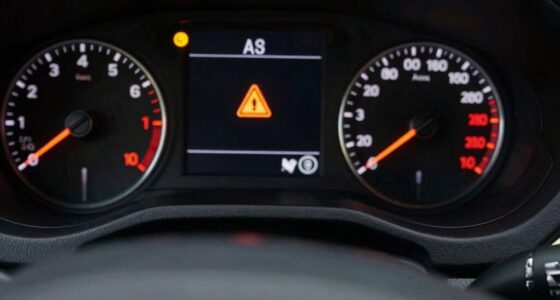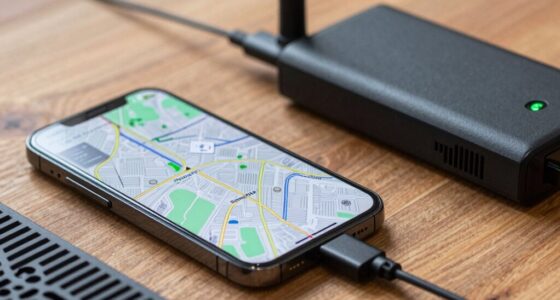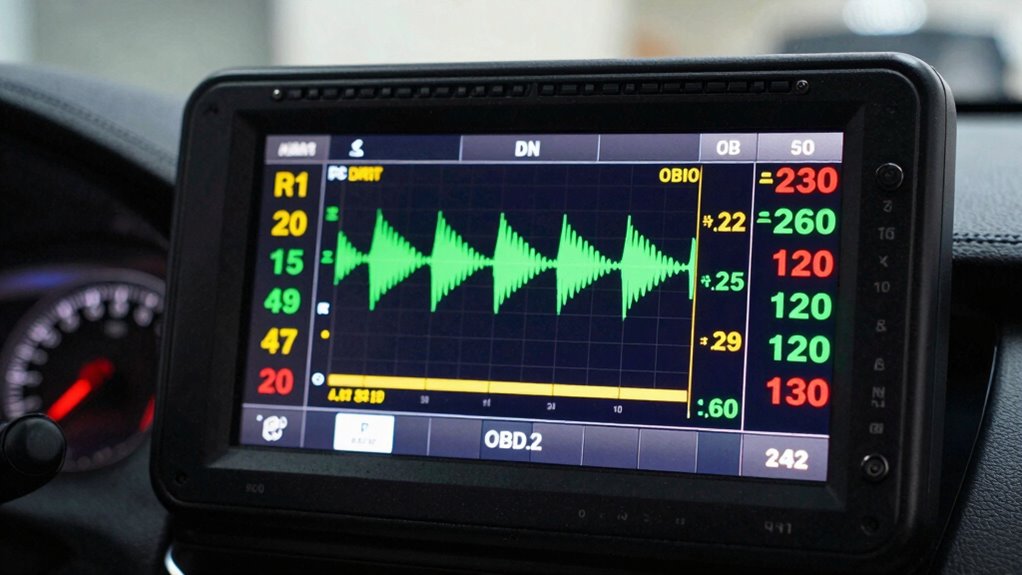
When you view live data numbers from an OBD2 PID, you’re seeing signals from various sensors that reflect your vehicle’s current state. These numbers represent real-time information like engine temperature, airflow, or fuel pressure, which the onboard computer continuously monitors. By understanding what these signals mean, you can better interpret your vehicle’s health and performance. If you keep exploring, you’ll learn how each number offers insights into your car’s inner workings.
Open a free Amazon Business account
Business pricing, bulk buying and tax-exempt orders.
As an affiliate, we earn on qualifying purchases.
Key Takeaways
- Live data numbers are sensor signals converted into meaningful information about engine and vehicle health.
- They represent real-time measurements like temperature, pressure, airflow, and voltage.
- Proper calibration ensures these numbers accurately reflect actual conditions.
- Data interpretation involves translating raw signals into understandable metrics for diagnostics.
- Factors like environment and sensor age can influence the accuracy of these live data readings.

Ever wondered how your vehicle’s onboard computer communicates with diagnostic tools? When you connect an OBD2 scanner and view live data, you’re actually tapping into a complex network of sensors and signals that the car’s computer constantly monitors. These numbers might seem like random digits, but they represent real-time information about your engine and vehicle health. To truly understand what these live data numbers mean, you need to grasp how sensor calibration and data interpretation work together. Sensor calibration ensures that the signals coming from sensors like the oxygen sensor, mass airflow sensor, or coolant temperature sensor are accurate. If a sensor is out of calibration, it could send faulty data, leading to misleading readings on your diagnostic tool. That’s why manufacturers regularly calibrate sensors during manufacturing and maintenance, ensuring the data you see reflects the actual conditions within your vehicle. Proper sensor calibration is essential for reliable diagnostics and optimal vehicle performance.
When you look at live data, you’re viewing sensor outputs that the vehicle’s computer interprets to make critical decisions. Data interpretation involves translating raw signals into meaningful information. For example, a coolant temperature sensor might send a voltage signal that the computer converts into a temperature reading. If the data indicates that the engine is running too hot, your vehicle might trigger a warning or adjust fuel mixture accordingly. Understanding what these numbers actually represent helps you diagnose issues more accurately and avoid unnecessary repairs. It also clarifies how your vehicle maintains peak performance. Remember, every number you see is not just a digit; it’s a piece of the puzzle that provides insight into your car’s functioning.
It’s important to recognize that each sensor’s data is affected by calibration settings, environmental conditions, and sensor age. As sensors age or become contaminated, their calibration may drift, causing the data to become less reliable. Skilled interpretation of live data involves considering these factors and cross-referencing sensor readings for consistency. With practice, you’ll learn to distinguish between normal variations and signs of trouble. So next time you’re viewing live data, remember that these numbers are the result of precise sensor calibration and thoughtful data interpretation, providing a window into your vehicle’s inner workings. By understanding these basics, you become better equipped to troubleshoot issues, maximize performance, and maintain your vehicle more effectively.
As an affiliate, we earn on qualifying purchases.
Frequently Asked Questions
How Often Should I Check Live Data for Optimal Vehicle Performance?
You should check live data regularly, ideally during your maintenance schedule or if you notice issues. Real-time monitoring helps catch problems early and keeps your vehicle running smoothly. Aim to review live data at least once a month or whenever you perform routine checks, especially before long trips. Consistent monitoring ensures maximum performance, saves money on repairs, and keeps your vehicle operating efficiently.
Can OBD2 PID Data Diagnose All Engine Issues?
A stitch in time saves nine, and that’s true with OBD2 PIDs. While they help identify many engine issues, they can’t diagnose everything due to sensor accuracy and data limitations. Live data shows real-time engine performance, but some problems, like internal mechanical faults, may not trigger codes. Use it as a tool, not a cure-all, and always consult a professional for detailed diagnostics.
Are There Risks in Interpreting Live Data Without Professional Help?
Interpreting live data without professional help can be risky because of misinterpretation dangers and diagnostic limitations. You might misread sensor readings, leading to unnecessary repairs or overlooking serious issues. Without proper training, you could miss subtle signs or misunderstand data, which may cause more harm than good. It’s best to use live data as a helpful guide but consult a professional for accurate diagnosis and safe repairs.
Do Different Vehicle Makes Display the Same PID Data?
Think of vehicle compatibility like language barriers; different makes don’t always speak the same data language. While many PIDs are standardized, some manufacturers customize data, so not all displays are identical across brands. For example, a Ford might use different codes for engine temp than a Honda. Always check your vehicle’s specifications and data standardization guidelines, so you interpret live data accurately for your specific vehicle make.
How Accurate Are the Readings From Aftermarket OBD2 Scanners?
You can generally trust the scan accuracy of aftermarket OBD2 scanners, but their reliability varies. High-quality models tend to offer more precise readings, matching those from professional tools. Keep in mind, cheaper scanners may have limitations, leading to less reliable data. To guarantee dependable results, choose reputable brands and regularly calibrate your scanner. This approach helps you get the most accurate readings and better diagnose your vehicle’s issues.
As an affiliate, we earn on qualifying purchases.
Conclusion
Understanding OBD2 PIDs helps you interpret live data and diagnose your vehicle more effectively. Did you know that your car’s engine can generate over 1,000 different data points? Imagine having a real-time window into your engine’s inner workings—seeing exactly how much fuel is being injected or how hot the coolant is at any moment. With this knowledge, you become your car’s best ally, catching issues early and keeping it running smoothly.
As an affiliate, we earn on qualifying purchases.
As an affiliate, we earn on qualifying purchases.
Fall Picks
fall essentials
As an affiliate, we earn on qualifying purchases.