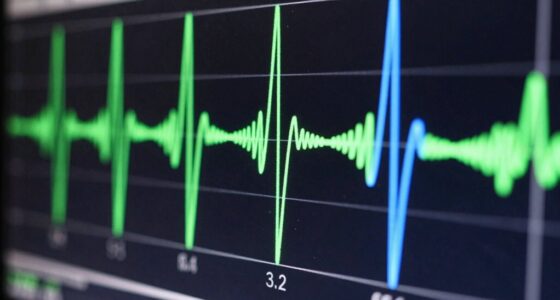
When diagnosing engine overheating, pay close attention to how your ECT sensor responds in real-time. Sudden spikes, dips, or inconsistent changes indicate potential issues like faulty sensors, pressure problems, or cooling system failures. These fluctuations can reveal hidden problems faster than static checks. Understanding these live signals can prevent overheating before visible symptoms appear. Keep reading to discover how to interpret these signals accurately and stay ahead of costly repairs.
Key Takeaways
- Sudden ECT reading spikes or drops signal potential sensor faults or coolant system issues.
- Comparing live ECT data with coolant pressure and physical checks helps identify discrepancies.
- Inconsistent ECT readings during engine operation may indicate calibration drift or sensor damage.
- Accurate calibration of the ECT sensor is crucial for reliable temperature readings and proper diagnosis.
- Cross-referencing live data with engine behavior prevents misdiagnosis of overheating causes.
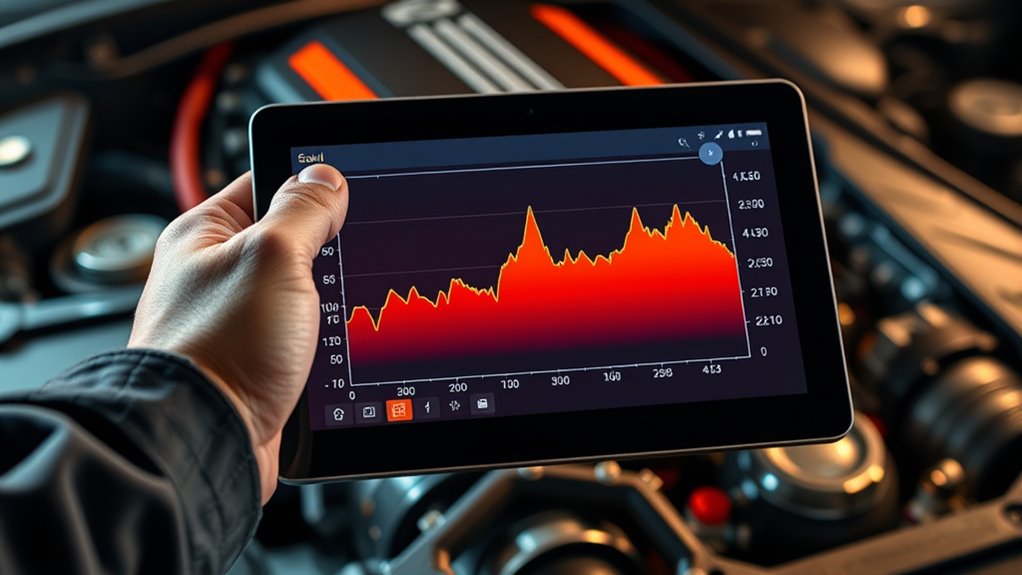
Have you ever noticed your vehicle or electronic device overheating unexpectedly? If so, you’re not alone. Overheating can be caused by a variety of issues, but one of the most critical factors is the temperature sensor, particularly the Engine Coolant Temperature (ECT) sensor. This sensor plays a crucial role in monitoring your engine’s temperature and providing real-time data to your vehicle’s computer. When the ECT reading spikes unexpectedly or shows inconsistent values, it can trigger overheating or cause your engine to run inefficiently.
One common mistake is ignoring fluctuations in coolant pressure alongside sensor readings. Coolant pressure directly affects the temperature at which your engine operates. If there’s an abnormal pressure buildup or drop, it can lead to inaccurate temperature readings. For example, a faulty radiator cap might not maintain proper coolant pressure, causing the engine to overheat despite the sensor indicating normal temperatures. That’s why understanding the relationship between coolant pressure and sensor calibration is essential. Proper calibration guarantees that the sensor’s readings accurately reflect the actual engine temperature, preventing misdiagnosis and unnecessary repairs.
When diagnosing overheating issues using live data, pay close attention to the ECT sensor’s readings. If the temperature suddenly jumps or dips without a corresponding change in operating conditions, it might indicate a calibration problem. Sensors can drift over time or become damaged, giving false readings that lead to incorrect engine management decisions. In such cases, recalibrating the sensor can restore accurate temperature measurement, helping you avoid overheating caused by misinformed fuel mixture adjustments or cooling system faults. Proper sensor calibration also helps in diagnosing underlying issues more effectively, such as a malfunctioning thermostat or a clogged radiator.
Monitoring live data during engine operation gives you an advantage. If the ECT reading is inconsistent with other indicators like coolant pressure or engine performance, it’s a clear sign that the sensor or its calibration needs attention. A good practice is to compare live sensor data with physical inspection results, such as checking coolant levels and pressure caps. This approach helps you identify whether the problem stems from the sensor itself or from related cooling system components. When you ensure accurate sensor calibration and maintain proper coolant pressure, you greatly reduce the chances of unexpected overheating and extend your engine’s lifespan.
Additionally, understanding how sauna heater calibration and maintenance can prevent overheating issues in your home setup can offer similar insights into maintaining optimal performance and safety.

GUTA Trailer Tire Pressure Monitoring System, RV TPMS with 10 Sensors, 6 Alert Modes, Signal Booster, Power Saving Display, Long Sensing Distance, for 3 Trailers (T1/T2/T3), for Camper, Motor Homes
[Real Time Monitoring & High Fuel Economy]: GUTA TPMS has a large screen for displaying up to 10...
As an affiliate, we earn on qualifying purchases.
Frequently Asked Questions
How Accurate Are Live ECT Readings for Overheating Diagnosis?
Live ECT readings are quite accurate for diagnosing overheating when your sensor accuracy is high and data reliability is maintained. You can trust these readings to reflect real-time engine conditions, but only if the sensors are properly calibrated and functioning correctly. Always make sure your equipment is up-to-date and regularly checked, as faulty sensors or poor data quality can lead to misdiagnosis, affecting your ability to detect overheating promptly.
Can ECT Data Predict Future Overheating Issues?
Think of ECT data as your vehicle’s weather forecast, hinting at future overheating storms. By analyzing battery health and thermal modeling, you can predict potential issues before they hit. Live ECT readings act as early warning signals, helping you spot trends that suggest overheating is brewing. This proactive approach allows you to prevent damage, keeping your system cool and reliable, long before the temperature rises to dangerous levels.
What Equipment Is Needed for Live ECT Monitoring?
You need specialized equipment for live ECT monitoring, including an ECT sensor or probe, a compatible data acquisition system, and a display or recording device. The equipment requirements focus on ensuring accurate, real-time data collection, so you’ll want high-quality sensors and a reliable setup that integrates seamlessly with your system. Proper monitoring setup involves secure sensor placement, calibration, and ensuring the data feeds are continuous for effective overheating diagnosis.
How Quickly Can Overheating Be Detected With Live Data?
You can detect overheating within seconds using live data, especially with thermal imaging combined with predictive analytics. Thermal imaging provides real-time heat patterns, alerting you instantly to abnormal temperature rises. Predictive analytics then analyzes this data to forecast potential failures before they happen. Together, they enable rapid identification of overheating issues, giving you the ability to respond swiftly and prevent damage or downtime effectively.
Are There Any Safety Concerns Using Live ECT Measurements?
Using live ECT measurements is like walking a tightrope—you need to follow strict safety protocols to avoid risks. While real-time data enhances overheating detection, improper handling or neglecting safety measures can pose hazards. Always prioritize risk mitigation by ensuring proper calibration, trained operators, and safety gear. When used correctly, live ECT data offers a powerful tool for safety, but neglecting protocols can turn it into a dangerous gamble.

Tymate TM3 RV Tire Pressure Monitoring System, Tire Pressure Monitor with Solar Charge, TPMS with 4 Sensors(Max to 10) & 6 Alarm Modes, 2024 Updated w/Color LCD Display, 0-87PSI for RV/Trailer/Truck
[Explore Five Alarm Modes and Effortless Setup for Alarm Thresholds]: The Tymate Tire Pressure Monitoring System TM3 features...
As an affiliate, we earn on qualifying purchases.
Conclusion
Imagine catching an engine overheating early by monitoring live ECT readings — like a mechanic who spotted a spike just in time to prevent a costly breakdown. By paying attention to real-time data, you can act fast, saving money and avoiding damage. Don’t wait for warning lights; trust the live data. With this approach, you’re always one step ahead, ensuring your vehicle stays cool and reliable even under demanding conditions.

Pro Chaser 400W Power Inverters for Vehicles - DC 12v to AC 110v Car Inverter Converter, 6.2A Dual USB Charging Ports, Dual AC Adapter for Laptops Air Compressor
【Pro Chaser Power Inverter Basics】: This inverter provides a steady 400W of DC to AC power with a...
As an affiliate, we earn on qualifying purchases.

Masoll Tire Pressure Monitoring System, RV/Trailler TPMS with Solar Charging & Auto Calibration, M13 LCD Display tpms 4 sensors (0-87PSI)
【Wide Application】The Masoll M13 Tyre Pressure Monitoring System commonly used on the vehicles with 4 tires include but...
As an affiliate, we earn on qualifying purchases.