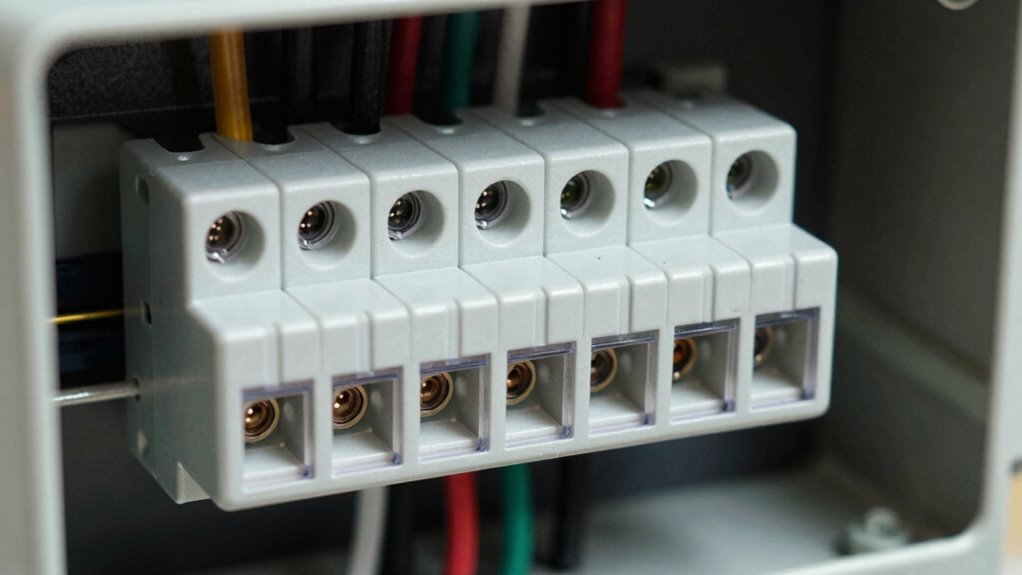
Ensuring the proper orientation of your Add-A-Fuse is a small detail that makes a big difference in circuit protection and safety. You should always follow the manufacturer’s markings or diagrams to install the fuse correctly, as misplacing it can cause poor connections, sparks, or even fires. Securely seating the fuse and matching the correct type and rating protects your wiring and devices. Keep in mind, mastering this simple step helps keep your systems safer—there’s more to discover if you continue.
Key Takeaways
- Proper fuse orientation ensures reliable contact and effective circuit protection during overloads or shorts.
- Always follow manufacturer markings or diagrams to install fuses in the correct direction.
- Incorrect fuse placement can lead to poor connections, sparks, or electrical hazards.
- Confirm fuse seating is secure and matches specified orientation before turning on power.
- Regularly inspect fuse and holder to maintain proper orientation and safe operation.
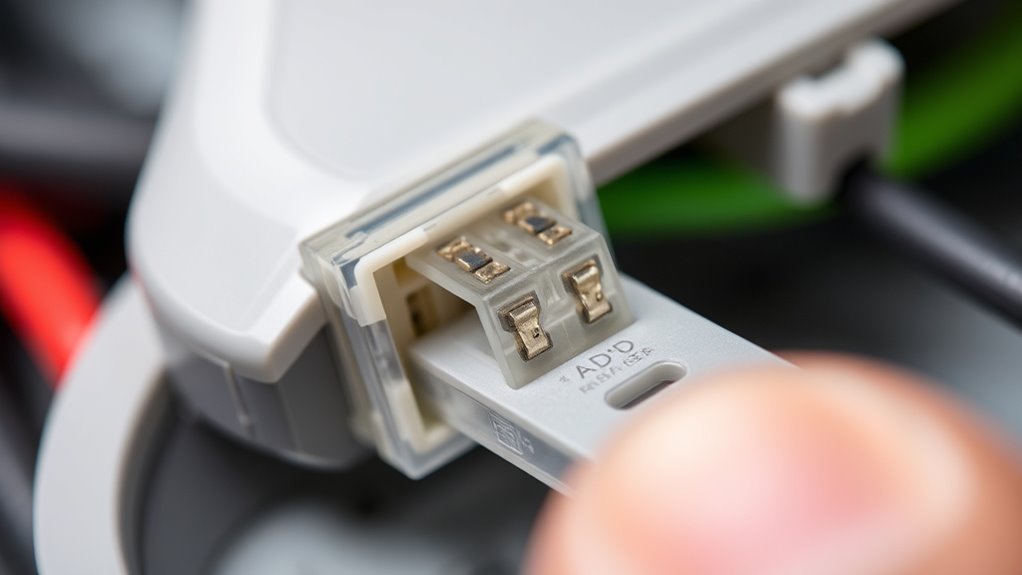
Adding a fuse to your electrical system is a straightforward process that guarantees safety and enhances circuit protection. The key to a successful addition lies in paying attention to proper fuse orientation, which might seem like a tiny detail but plays a vital role in ensuring wire safety and fuse compatibility. When installing a fuse, you need to be precise about how it’s oriented within the fuse holder. Typically, fuses are designed with specific contact points, and installing them incorrectly can lead to poor connections or potential electrical hazards. Proper orientation ensures that the fuse functions correctly, breaking the circuit if an overload or short occurs, thereby protecting your wiring and connected devices. Additionally, understanding the contrast ratio of your circuit can help determine the appropriate fuse rating for optimal performance. The first step is to understand the importance of fuse compatibility. Not all fuses are created equal, and using the wrong type can compromise wire safety. Check the amperage rating and voltage specifications of the fuse against your circuit’s requirements. An underrated fuse may blow prematurely, while an oversized one might not trip when needed, risking damage to your wiring. Once you’ve selected the right fuse, paying attention to its orientation becomes essential. Many fuses have a specific way they must sit within the holder; this is often indicated by a diagram or markings on the fuse or holder. Installing the fuse backwards can prevent it from making proper contact, which means it won’t provide the protection you need. Wire safety is paramount. When installing, make sure that the fuse is seated firmly and correctly aligned. Loose or misoriented fuses can cause intermittent connections or even sparks, increasing the risk of electrical fires. Always turn off the power before replacing or installing a fuse to prevent accidental shocks or short circuits. When inserting the fuse, ensure that the metal contact points connect securely with the fuse holder terminals. If the fuse is not properly oriented, it may not make full contact, which can lead to unreliable circuit protection. Once installed, double-check that the fuse is seated properly and that the holder’s cap or cover is securely fastened.

REDTIGER 4K Dash Cam Front Rear, STARVIS 2 Sensor, Free Card Included, 5.8GHz WiFi-20MB/s Fast Download, Dash Camera for Cars with GPS, WDR Night Vision, 170°Wide Angle, 24H Parking Mode(F7NP)
[4K+1080P Front & Rear Recording] REDTIGER F7NP dash cam captures every detail with stunning 4K front and 1080P...
As an affiliate, we earn on qualifying purchases.
Frequently Asked Questions
Can Add-A-Fuse Be Used With All Vehicle Types?
Add-A-Fuse can be used with many vehicle types, but fuse compatibility and vehicle compatibility vary. You should check your vehicle’s fuse panel and electrical system to confirm the Add-A-Fuse fits and functions correctly. Some older or specialized vehicles may have unique fuse arrangements. Always verify that the size and type match your vehicle’s specifications before installation to avoid electrical issues or damage.
What Tools Are Needed for Proper Installation?
To guarantee proper installation of add‑a‑fuse, you’ll need basic tools like wire strippers, crimpers, and a fuse puller. Check fuse compatibility to match the add‑a‑fuse with your vehicle’s fuse type. Follow installation techniques carefully, ensuring the add‑a‑fuse is securely connected and properly seated. This approach guarantees your circuit remains protected while making the process straightforward and safe.
How Does Orientation Affect Fuse Performance?
Think of fuse orientation like a door hinge—wrongly aligned, it can cause jams. Proper orientation guarantees circuit compatibility and installation safety by allowing the fuse to operate correctly, preventing overheating or failure. If you install it backwards, it’s like trying to lock a door with the hinges on the inside. Always check the fuse’s arrow or markings to keep your circuit protected and functioning smoothly.
Is There a Risk of Damaging Existing Wiring?
You might risk damaging your wiring if you don’t verify wiring compatibility during installation. Incorrect orientation can cause installation risks, such as loose connections or short circuits. To avoid this, double-check that your wiring matches the fuse’s specifications and follow proper installation procedures. Properly orienting and securing the fuse helps prevent wiring damage and keeps your circuit protected, minimizing risks and ensuring reliable performance.
How Often Should the Fuse Orientation Be Checked?
You should check the fuse orientation every 6 to 12 months to guarantee ideal wiring compatibility and maximize fuse lifespan. Notably, improper fuse installation can reduce its lifespan by up to 30%, risking damage to your wiring. Regular inspections help confirm the fuse remains properly aligned, preventing potential electrical issues. Staying attentive to this small detail safeguards your circuit and prolongs the durability of your electrical system.
Nilight 18022C-B 6.5Inch 2PCS 6.5 Inch 120W Spot & Flood Combo Bar Driving Waterproof Led Work Light Triple Rows Off-Road Truck Car ATV SUV Jeep Cabin Boat, 2 Years Warranty
Brightness: Powerful 120 watts LED light bar, high-quality Led chips and clear PC lens, this LED pod emits...
As an affiliate, we earn on qualifying purchases.
Conclusion
By paying attention to the add-a-fuse orientation, you’re gently guiding your circuit’s well-being without any fuss. Think of it as giving your system a friendly nudge in the right direction, ensuring everything runs smoothly and happily. When you get the little details right, you’re quietly safeguarding your setup from potential hiccups. So, take a moment to double-check, and enjoy the peace of mind that comes with a thoughtfully protected circuit.
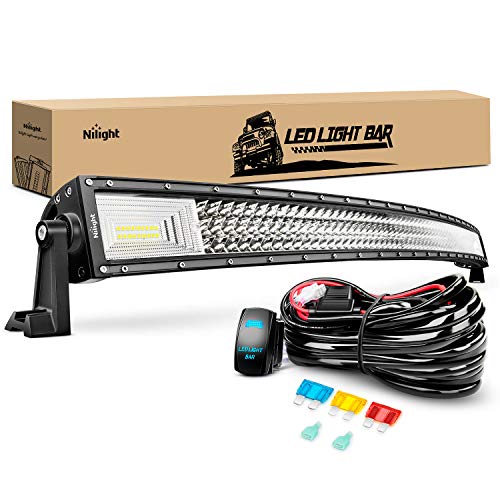
Nilight ZH408 52Inch 783W Curved Triple Row Flood Spot Combo Beam Led Bar 78000LM Driving Lights with 12AWG Heavy Duty 12V 5Pin Rocker Switch Wiring Harness Kit-1 Lead,waterproof
SUPER BRIGHTNESS: Combo beam with triple row and nest reflector cup design in the middle for extreme light...
As an affiliate, we earn on qualifying purchases.

Nilight 42Inch 240W Curved Led Light Bar Spot Flood Combo Led Off Road Lights and 14AWG 5Pin Rocker Switch Wiring Harness Kit for Truck ATV UTV SUV Boat Jeep Lamp,2 Years Warranty
Stylish Design: Stylish curve-designed light bar with black panel. Super cool for windshield mount lighting
As an affiliate, we earn on qualifying purchases.