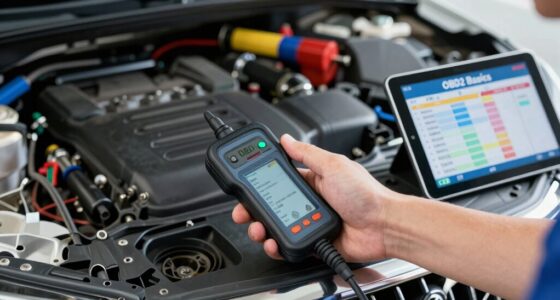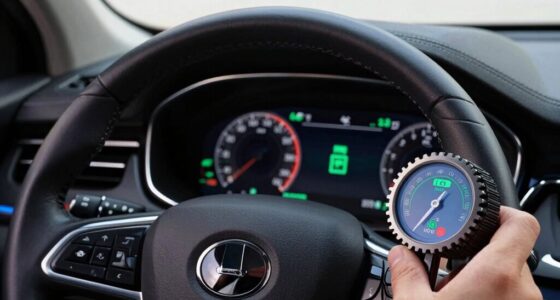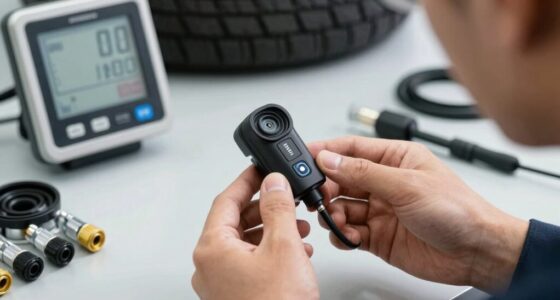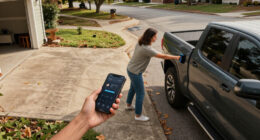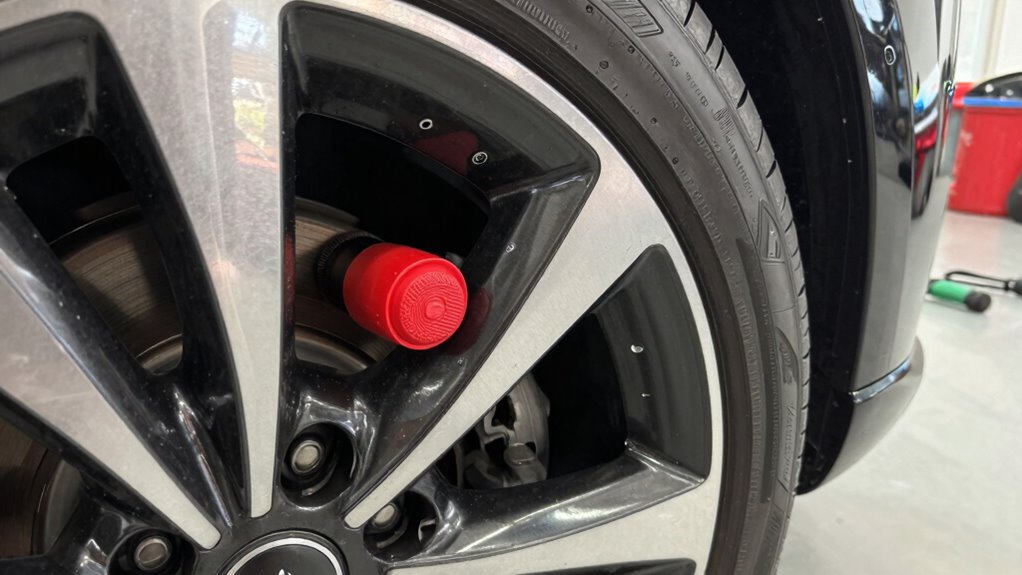
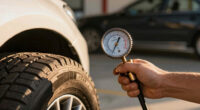
Start by investing in high-quality sensors that are compatible with your vehicle. Proper calibration is essential for accurate readings and safety, so focus on sensors with automatic calibration features or follow correct manual procedures. Prioritize reliable installation, ensuring sensors are sealed and placed correctly to avoid false alerts. Advanced features like displays or smartphone links can wait until you’re confident in your basic system. Keep exploring to discover more tips for making your TPMS work perfectly.

Get business pricing on garage and car supplies
- Business-only prices and quantity discounts
- Tax-exempt purchasing
- Multiple users, one account, clear invoices
Key Takeaways
- Prioritize high-quality, durable sensors compatible with your vehicle for accurate and reliable tire pressure monitoring.
- Focus on proper calibration and professional installation to ensure system accuracy and longevity.
- Basic sensors and calibration should be purchased first; advanced features like smartphone integration can wait.
- Regular maintenance and correct sensor placement are essential for consistent performance and safety.
- Upgrading features can be considered after establishing a trusted, properly functioning TPMS system.
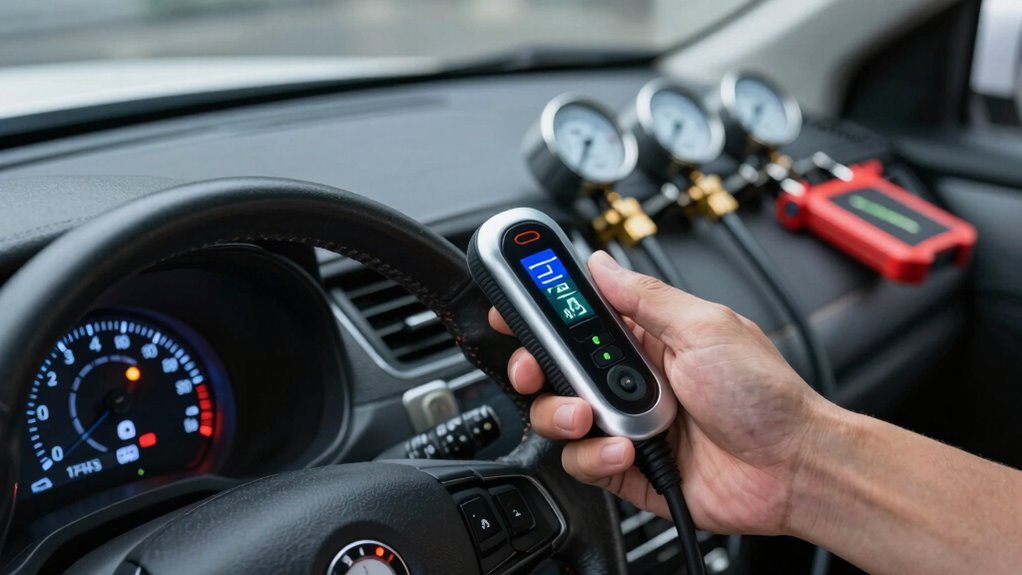
If you drive daily, a Tire Pressure Monitoring System (TPMS) is an essential safety feature you shouldn’t overlook. It helps you maintain proper tire pressure, which is vital for safe handling, fuel efficiency, and tire longevity. When considering what to buy first for your TPMS, focus on the core components that guarantee reliable tire pressure monitoring. The most important item is a quality sensor that fits your vehicle. These sensors are responsible for tire pressure data transmission to your vehicle’s onboard computer. Investing in a good sensor ensures accurate readings and long-term durability.
Prioritize high-quality sensors for accurate, durable tire pressure monitoring and vehicle safety.
Once you have the sensors, you’ll need to think about sensor calibration. Proper calibration is critical to make sure the system reads correctly and alerts you when tire pressure is outside safe ranges. Many newer sensors come with automatic calibration features, but some require manual calibration. If your vehicle doesn’t support automatic calibration, you’ll need to follow specific procedures to calibrate the sensors correctly. This process typically involves setting the tire pressure to the manufacturer’s recommended levels and then syncing the sensors with your vehicle’s system. Skipping sensor calibration can lead to false alerts or missed warnings, defeating the purpose of having a TPMS. Additionally, understanding the importance of proper calibration can help ensure your system functions optimally and provides trustworthy data. Proper sensor installation is equally vital to prevent issues later on and ensure accurate readings. To maximize the lifespan and performance of your sensors, it’s also beneficial to choose sensors with durability in harsh conditions. Ensuring proper maintenance of the system can further extend its effectiveness and lifespan.
What can wait is the more advanced or luxury features. For example, some systems offer direct display units or smartphone integration. While these features are nice, they’re not essential for basic tire pressure monitoring. Initially, your priority should be reliable sensors that accurately detect pressure changes and proper calibration to guarantee the system functions correctly. Upgrading to additional features can come later once you’re comfortable with the basic setup. Moreover, selecting quality installation is crucial to ensure sensors are correctly mounted and sealed, which can significantly impact performance and longevity.
Additionally, don’t overlook the importance of quality installation if you’re installing sensors yourself. Proper placement and sealing are critical to prevent leaks and ensure long-lasting performance. If you’re not confident doing it yourself, professional installation can save you headaches later. Remember, the foundation of a good TPMS is accurate, well-calibrated sensors that provide trustworthy data. This setup will give you peace of mind, knowing your tires are always at optimal pressure, which directly impacts your safety on the road.
TPMS tire pressure sensors compatible with vehicle
As an affiliate, we earn on qualifying purchases.
As an affiliate, we earn on qualifying purchases.
Frequently Asked Questions
How Do I Know if My Vehicle Is Compatible With TPMS?
You can check your vehicle’s compatibility with TPMS by consulting your owner’s manual or looking for a TPMS warning light on your dashboard. To guarantee the best tire pressure accuracy, verify if your sensors require calibration after installation. Many modern vehicles automatically detect TPMS sensors, but older models may need manual calibration. If unsure, visit a professional to confirm sensor compatibility and proper calibration for reliable tire pressure monitoring.
What Are the Signs of a Failing TPMS Sensor?
You notice your warning light flickering unexpectedly? That’s a sign your TPMS sensor might be failing. You might also experience inconsistent readings, or the sensor might need recalibration. When sensors start malfunctioning, they often send false alarms or stop transmitting data entirely. Don’t ignore these signs—calibrate your sensors promptly and watch for warning lights, because a failing TPMS sensor can compromise your safety on the road.
Can TPMS Be Installed Myself or Need a Professional?
You can definitely do a DIY installation of a TPMS sensor if you’re comfortable working on your car, but it’s often best to seek professional assistance, especially if you lack experience. DIY installation saves money and time, but a professional guarantees proper setup and calibration, preventing future issues. Consider your skill level and tools available before deciding—if in doubt, consulting a mechanic guarantees safety and correct installation.
How Often Should TPMS Batteries Be Replaced?
You should replace TPMS batteries every 5 to 10 years, depending on the sensor and driving conditions. When the battery weakens, you’ll notice decreased tire pressure accuracy, and the sensor may need recalibration. Some sensors allow for easy battery replacement, but others might require professional help to guarantee proper sensor calibration. Regularly check your TPMS warning lights to catch battery issues early and maintain ideal tire pressure.
Are Aftermarket TPMS Systems Reliable Compared to OEM?
Aftermarket TPMS systems can be reliable, but you need to guarantee proper installation and sensor calibration for accurate tire pressure monitoring. OEM systems are generally more consistent and integrate seamlessly with your vehicle’s electronics. When choosing an aftermarket system, look for reputable brands and verify calibration procedures. This way, you’ll maintain reliable tire pressure monitoring, helping prevent issues caused by inaccurate readings or sensor malfunctions.
automatic calibration TPMS sensors
As an affiliate, we earn on qualifying purchases.
As an affiliate, we earn on qualifying purchases.
Conclusion
Think of your TPMS as the heartbeat of your daily drive—crucial for keeping everything in sync. Prioritize installing a reliable sensor first, like a steady pulse that keeps your journey smooth. Save the fancy display or extra features for later, like decorative jewelry that enhances but isn’t indispensable. When you invest wisely initially, your car’s health remains strong, and your daily adventures continue without interruption—because, in the end, a healthy heart leads to a happy road ahead.
vehicle tire pressure monitoring system installation kit
As an affiliate, we earn on qualifying purchases.
As an affiliate, we earn on qualifying purchases.
durable TPMS sensors for harsh conditions
As an affiliate, we earn on qualifying purchases.
As an affiliate, we earn on qualifying purchases.
Halloween Picks
halloween
As an affiliate, we earn on qualifying purchases.