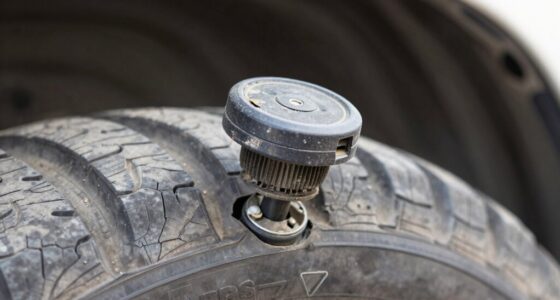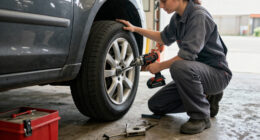
The hidden detail that makes TPMS work better for daily drivers is proper calibration, especially after tire changes or rotations. Making sure your sensors are correctly calibrated helps your system reflect accurate tire pressures, preventing false warnings and improving safety. Regularly checking tire pressures and following manufacturer instructions guarantees reliable readings. When calibrated correctly, your TPMS can boost tire lifespan, handling, and fuel economy. Want to discover more simple tips that keep your system running smoothly?

Get business pricing on garage and car supplies
- Business-only prices and quantity discounts
- Tax-exempt purchasing
- Multiple users, one account, clear invoices
Key Takeaways
- Proper calibration ensures TPMS readings are accurate, preventing false warnings and missed alerts.
- Regularly checking and adjusting tire pressures before calibration enhances system reliability.
- Following manufacturer-specific calibration procedures optimizes sensor performance for daily driving.
- Driving the vehicle as recommended after calibration allows sensors to establish correct baseline data.
- Consistent maintenance and recalibration help detect sensor issues early, improving overall safety and efficiency.
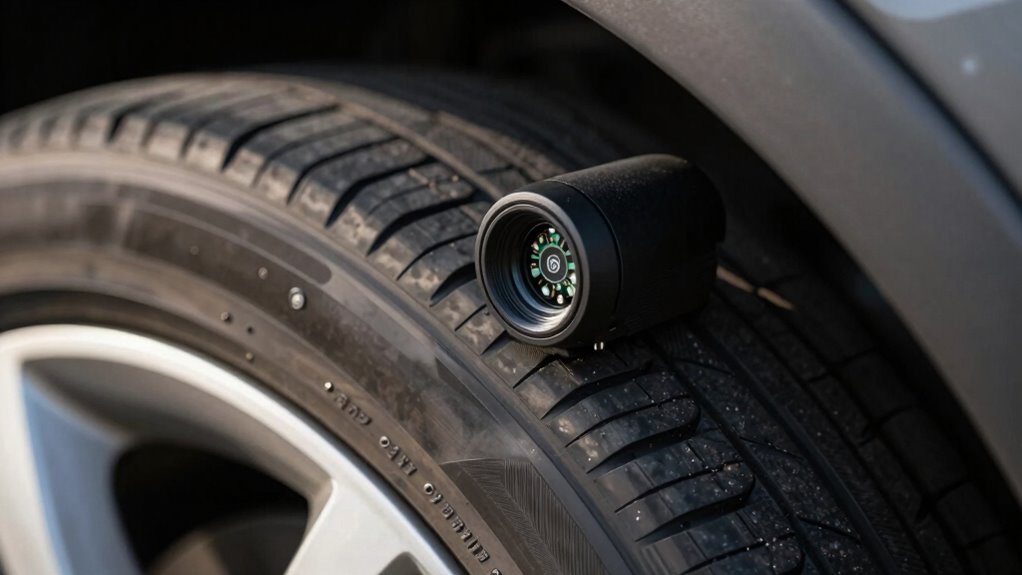
While Tire Pressure Monitoring Systems (TPMS) are essential for safe driving, many daily drivers overlook a simple yet effective detail that can enhance their performance: regularly calibrating the sensors. Your TPMS relies on accurate readings of tire pressure to alert you to potential issues, but those readings only matter if the system is properly calibrated. When sensors aren’t calibrated correctly, your vehicle might send false warnings or fail to alert you when tire pressure drops dangerously low. This small step can significantly improve the reliability of your TPMS and keep you safer on the road.
Sensor calibration is a straightforward process that ensures your TPMS accurately reflects the actual tire pressure. It involves resetting or recalibrating the sensors after certain events—like changing tires, rotating them, or even after a sensor replacement. If you ignore calibration, the sensors may become misaligned with the actual tire pressure, leading to inaccurate readings. This can cause unnecessary stops to check tires or, worse, missed alerts that could prevent a blowout or flat. Proper calibration aligns the sensor data with the real tire pressure, giving you peace of mind and better control.
Calibrate your TPMS after tire changes or replacements for accurate, reliable pressure readings and enhanced safety.
You can usually calibrate your TPMS yourself, often through your vehicle’s onboard menu or a dedicated reset button. Some cars automatically calibrate after a drive, but it’s best to follow your vehicle’s manual for specific instructions. When calibrating, make sure all tires are at the recommended tire pressure, as specified in your owner’s manual or on the placard inside your driver’s door. Then, initiate the calibration process, which might involve driving for a set distance or pressing certain buttons. This ensures the sensors learn the correct baseline pressure, making future alerts more accurate. Understanding TPMS functionality can help you troubleshoot issues more effectively and ensure your system is working optimally. Additionally, being aware of sensor calibration procedures can save you time and prevent unnecessary service visits. Regularly checking and calibrating your tire pressure sensors isn’t just about maintaining system accuracy; it’s also about extending the lifespan of your tires and improving fuel efficiency. When your sensors are correctly calibrated, you’re less likely to experience uneven tire wear caused by incorrect pressure readings. Plus, accurate tire pressure helps your vehicle handle better, improves braking, and optimizes fuel consumption. Additionally, understanding the functionality of TPMS can help you troubleshoot issues more effectively. Furthermore, regular maintenance of your TPMS can prevent small issues from becoming costly repairs later. Overlooking sensor calibration may seem minor, but it’s a simple maintenance step that can make a big difference in how well your TPMS functions day-to-day.
A regular calibration routine also supports vehicle safety features, which often depend on precise sensor data to perform optimally.
As an affiliate, we earn on qualifying purchases.
Frequently Asked Questions
How Often Should TPMS Sensors Be Calibrated?
You should calibrate your TPMS sensors whenever you change your tires or notice inconsistent tire pressure readings. Sensor calibration guarantees accurate tire pressure monitoring, helping you maintain proper tire pressure for safety and fuel efficiency. Typically, calibration isn’t needed regularly but after tire rotations or replacements. Check your vehicle’s manual for specific calibration instructions, and always verify tire pressure after calibration to ensure your TPMS is working correctly.
Do All TPMS Systems Work Equally Well in Extreme Temperatures?
Not all TPMS systems work equally well in extreme temperatures. Sensor durability varies, so some sensors may fail or give inaccurate readings in harsh conditions. Regular calibration is essential to maintain accuracy, especially if you drive in extreme heat or cold. You should check your system’s calibration frequency and consider sensors designed for durability in extreme temperatures. This way, you guarantee reliable tire pressure monitoring regardless of weather conditions.
Can TPMS Be Installed on Any Vehicle Model?
Think of installing TPMS like fitting a puzzle piece—you need the right shape. While many vehicles can have TPMS installed, installation challenges often depend on sensor compatibility. Some models, especially older or unique ones, might require specific sensors or adapters. Always check your vehicle’s make and model first, and consult with a professional to guarantee the sensors will fit and work correctly for maximum tire pressure monitoring.
Are There Safety Concerns With Aftermarket TPMS Upgrades?
Yes, there can be safety concerns with aftermarket TPMS upgrades. You need to verify sensor compatibility with your vehicle’s system to avoid malfunction. Incorrect installation can lead to sensor damage or false readings, which might cause you to ignore low tire pressure warnings. It’s crucial to follow proper installation procedures and choose sensors designed for your specific vehicle model to guarantee safety and reliable performance.
How Does Tire Wear Affect TPMS Accuracy Over Time?
Think of your TPMS as a vigilant guardian, but even guardians tire over time. As you perform regular tire rotations, uneven wear can shift sensor readings, reducing accuracy. Over months, tire wear affects sensor lifespan, causing potential false alerts or missed warnings. To keep your system reliable, monitor tire condition and replace sensors as needed, ensuring your TPMS continues to safeguard your daily drive effectively.
As an affiliate, we earn on qualifying purchases.
Conclusion
Now that you know the hidden detail behind TPMS, you’re better equipped to keep your daily driver safe and efficient. Remember, just like a trusty sidekick in a noir film, paying attention to these small details can make a big difference. Don’t forget to check your sensors regularly—think of it as your car’s version of a health check-up. Stay vigilant, and your tires will thank you, ensuring smooth rides through today’s busy streets and tomorrow’s adventures.
vehicle tire pressure monitoring system calibration
As an affiliate, we earn on qualifying purchases.
As an affiliate, we earn on qualifying purchases.
As an affiliate, we earn on qualifying purchases.
Halloween Picks
halloween
As an affiliate, we earn on qualifying purchases.