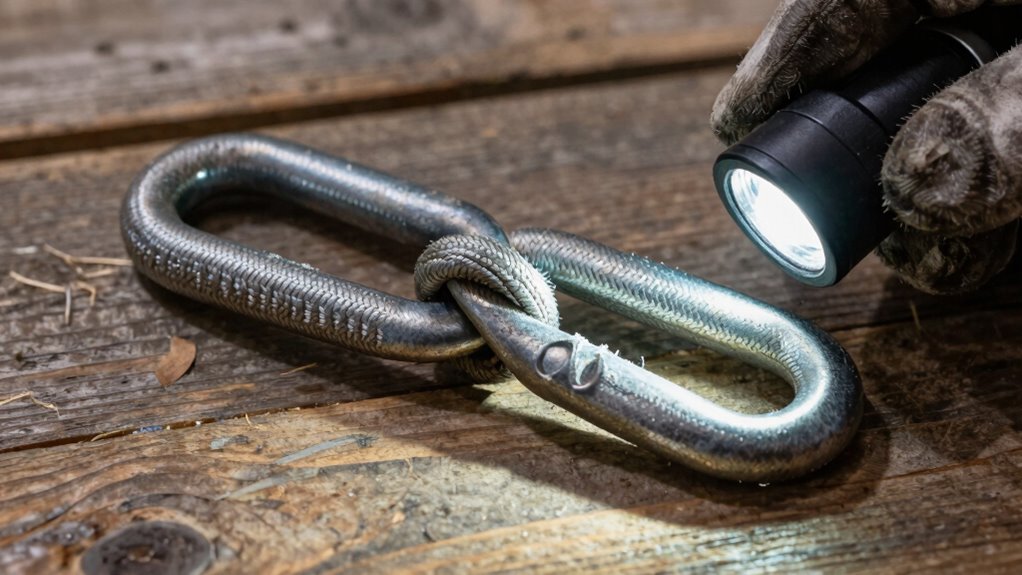

Before every pull, you should carefully inspect your soft shackles for signs of damage or wear. Gently check for chemical degradation, discoloration, or internal cracks that aren’t visible externally. Make sure they are clean and free of dirt or debris that could cause abrasion. Handle them gently during inspection to avoid weakening the fibers. Replacing any compromised shackles immediately is essential for safety. To learn the full routine and tips, continue exploring the details.

Get business pricing on garage and car supplies
- Business-only prices and quantity discounts
- Tax-exempt purchasing
- Multiple users, one account, clear invoices
Key Takeaways
- Conduct a thorough visual check for signs of wear, damage, or discoloration before each use.
- Gently handle and inspect shackles to avoid additional damage or weakening of fibers.
- Ensure shackles are clean, free of dirt, debris, or abrasion-causing materials.
- Confirm material integrity by checking for internal damage or chemical degradation.
- Replace any shackles showing signs of wear, damage, or environmental deterioration immediately.
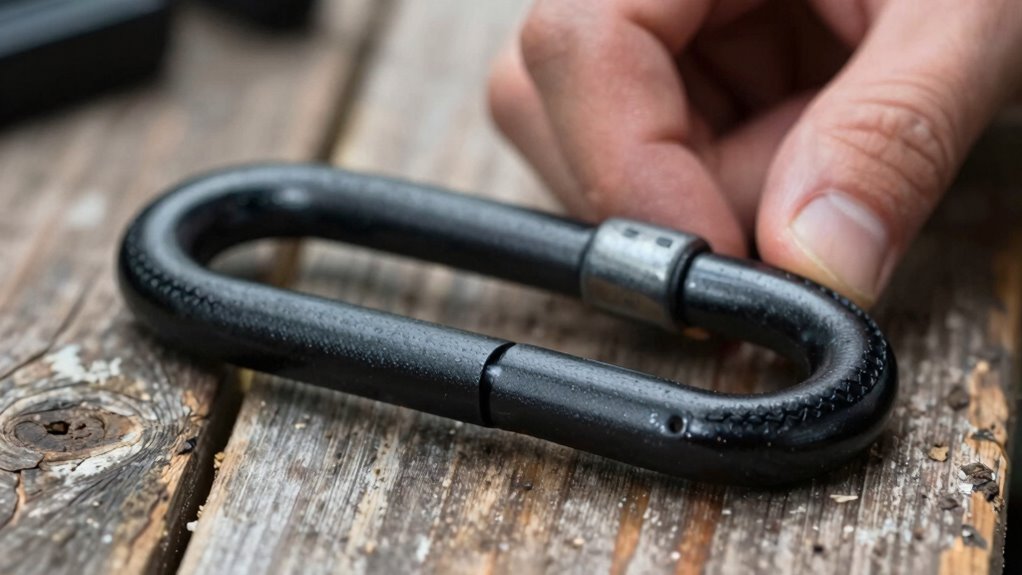
Regularly inspecting your soft shackles before each use isn’t just about catching obvious damage; it’s about developing a routine that guarantees safety every time you need to pull. Pay attention to any signs of chemical degradation or discoloration, as these can indicate compromised material integrity. Remember, even if the shackles look fine on the surface, internal damage may not be visible, so if you have any doubts about their condition, it’s safer to replace them. When inspecting, loosen or remove the shackles gently to avoid causing damage during handling. Repeated bending or twisting can weaken the fibers over time, so handle them carefully. Before each use, make sure the shackles are clean and free of dirt or debris that could cause abrasion. Keeping your soft shackles well-maintained through proper inspection and storage not only extends their lifespan but also guarantees your safety and the effectiveness of your recovery efforts. Always prioritize safety by taking the time to carefully assess your equipment, and don’t hesitate to replace anything that shows signs of wear or damage. Additionally, understanding the importance of material durability can help you recognize early signs of deterioration and prevent potential failures. Regularly reviewing biodiversity principles and conservation practices can also remind you of the broader importance of sustainable and safe equipment use in outdoor environments. Incorporating knowledge of outdoor safety standards into your routine can further enhance your confidence in equipment reliability, especially as material performance** can vary depending on environmental conditions. Recognizing the role of environmental factors** in equipment longevity ensures more informed maintenance and inspection routines.
As an affiliate, we earn on qualifying purchases.
Frequently Asked Questions
How Often Should Soft Shackles Be Replaced?
You should replace soft shackles if you notice any signs of wear or damage, but generally, they last about 3 to 5 years. Material durability and UV exposure substantially affect their lifespan; prolonged sun exposure can weaken the fibers. Regular inspections before each use are essential. If you see fraying, cracking, or fading, it’s time to replace the shackle to guarantee safety and reliability during pulls.
Can Soft Shackles Be Repaired if Damaged?
Yes, soft shackles can sometimes be repaired if damaged, but it depends on the extent of the damage and material durability. Small tears or frays from manufacturing defects might be repairable with proper stitching or reinforcement. However, if the damage compromises the integrity or safety of the shackle, replacing it is the safest choice. Always inspect for weaknesses before each use and consult manufacturer guidelines for repair options.
What Signs Indicate a Soft Shackle Needs Replacement?
If you notice significant fraying, deep cuts, or broken strands, it’s time to replace your soft shackle. Material durability can diminish over time, especially when exposed to harsh environmental factors like UV rays, salt, or chemicals. These elements weaken the fibers, making the shackle unsafe. Never ignore signs of wear; a compromised soft shackle risks failure under load, so prioritize safety and replace it promptly when these signs appear.
Are There Specific Conditions That Weaken Soft Shackles?
Yes, certain conditions weaken soft shackles. Material fatigue from repeated use can cause the rope to lose strength over time, making it more prone to failure. Environmental exposure, like UV rays, moisture, or chemicals, accelerates deterioration and weakens the fibers. These conditions compromise the integrity of the shackle, so you should regularly inspect and replace it if you notice signs of wear, damage, or significant environmental impact.
How Do Different Loads Affect Soft Shackle Integrity?
Imagine your soft shackle as a fragile thread holding your trust—different loads test its strength. Heavier or uneven loads cause material fatigue, weakening the fiber over time. Environmental exposure to UV rays, moisture, or chemicals accelerates deterioration. These factors combine to diminish the shackle’s integrity, risking failure when you need it most. Always consider load weight and environmental conditions, and inspect carefully before every use to verify safety.
recovery soft shackles replacement
As an affiliate, we earn on qualifying purchases.
As an affiliate, we earn on qualifying purchases.
Conclusion
Remember, taking a moment to gently examine your soft shackle before each pull isn’t just a routine—it’s a quiet act of respect for the journey ahead. By tending to its integrity with care, you’re subtly ensuring your safety while honoring the bond between you and your gear. A little patience now can prevent unforeseen surprises later, allowing the road to unfold smoothly. In these small acts, trust and resilience quietly thrive, guiding you through every challenge with grace.
As an affiliate, we earn on qualifying purchases.
As an affiliate, we earn on qualifying purchases.
Columbus Day / Indigenous Peoples' Day Picks
long weekend sales
As an affiliate, we earn on qualifying purchases.