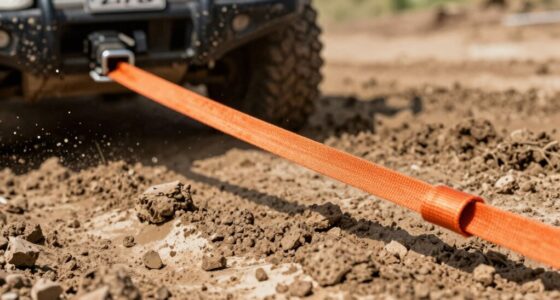

When a recovery point is labeled as ‘rated,’ it means it has been tested and certified to handle a specific load capacity safely. This rating guarantees the metal and design can withstand the forces during vehicle recovery or lifting without failure. Using rated recovery points reduces the risk of damage or accidents. It’s important to choose the right rated point for your vehicle’s weight, and if you want to understand how these ratings are determined, there’s more to explore.

Get garage and car supplies delivered free — and shop member deals
- Fast, free delivery on millions of items
- Access to Prime Big Deal Days deals on October 6–7
- Prime Video, Amazon Music and more included
Key Takeaways
- “Rated” indicates a recovery point’s maximum load capacity it can safely handle during lifting or pulling.
- Certification ensures the recovery point has been tested to withstand specific force levels without failure.
- Properly rated recovery points prevent structural damage and ensure safe recovery operations.
- Material strength and design certification are essential for a recovery point to meet its rated capacity.
- Using non-rated or undersized recovery points risks catastrophic failure and safety hazards.

Recovery points are essential tools in data management that help you restore your system to a previous state. Similarly, in vehicle recovery, the concept of recovery points plays a crucial role in ensuring safety and efficiency. When you’re involved in lifting safety and vehicle recovery, understanding what recovery points are and how they function can make the difference between a smooth operation and a dangerous situation. Recovery points are specific anchor points designed to attach lifting straps, shackles, or recovery gear securely to a vehicle or equipment. They serve as designated locations where you can connect lifting or recovery tools without risking damage to the vehicle or compromising safety. These points are engineered to withstand loads during lifting or recovery operations, providing a reliable connection point that minimizes the risk of accidents.
In vehicle recovery, especially when you’re dealing with off-road vehicles, trucks, or other heavy equipment, using proper recovery points is vital. They are typically reinforced areas or specially designed mounts that can handle the forces involved in pulling or lifting. When you need to recover a stuck vehicle, for example, selecting the right recovery point ensures that the force applied during the pull is distributed correctly, reducing the chance of tearing or damaging the vehicle’s structure. Lifting safety hinges on knowing which points are rated for the loads you’re applying. If you attach recovery gear to non-rated or weak points, you risk catastrophic failure, which can lead to injury or further damage. Always verify that the recovery points are rated for the weight of the vehicle and the force you plan to exert. Understanding what ‘rated’ actually means in this context helps you make informed decisions. A rated recovery point has been tested and certified to withstand specific loads, giving you confidence that it won’t fail under stress. This certification is essential during vehicle recovery, as it defines the maximum safe working load. When performing vehicle recovery, you should always use rated recovery points, follow manufacturer guidelines, and avoid improvising with parts not designed for lifting or pulling. Proper use of rated recovery points ensures lifting safety, protects your equipment, and prevents accidents. Additionally, selecting recovery points made from high-quality materials ensures durability and safety during operations.
Frequently Asked Questions
How Is the Rated Recovery Point Determined?
You determine the rated recovery point by evaluating its load capacity through rigorous testing standards. These standards guarantee the recovery point can handle specified forces safely. You conduct controlled tests, applying incremental loads until reaching the maximum rated capacity. This process verifies the recovery point’s strength and reliability, giving you confidence it will perform safely during recovery operations without failure or damage.
What Materials Are Best for Rated Recovery Points?
You should choose materials with high strength and excellent corrosion resistance for rated recovery points. Steel alloys, especially those with galvanization or stainless steel, are ideal because they withstand harsh environments and heavy loads. Proper material selection guarantees durability and safety during recovery operations. Avoid materials prone to corrosion or weakness, as these can compromise the recovery point’s integrity over time. Prioritize quality, tested materials for reliable performance.
Can Rated Recovery Points Be Customized?
Ever wonder if rated recovery points can be customized? Yes, they can! Many manufacturers offer customization options to meet your specific safety compliance needs and vehicle specifications. However, it’s vital to confirm that any modifications adhere to industry standards, maintaining the rated strength and safety. Always verify with the supplier that custom recovery points remain certified and reliable, so you stay secure during recovery operations.
How Do Rated Recovery Points Impact Safety?
Rated recovery points considerably impact your safety by ensuring they meet strict safety standards through rigorous load testing. When you use properly rated recovery points, you reduce the risk of failure during recovery operations, protecting both you and your vehicle. Adhering to these standards guarantees the recovery points can handle the maximum loads, giving you confidence that your equipment is reliable and safe under demanding conditions.
Are Rated Recovery Points Compatible With All Lifting Equipment?
You might think rated recovery points work with all lifting equipment, but that’s not always true. Just like unrelated topics can seem disconnected, compatibility varies based on safety regulations and the specific design of the recovery point. Always check manufacturer guidelines and verify your lifting gear matches the rated recovery point’s specifications. This careful matching helps prevent accidents and keeps safety standards upheld, no matter the equipment you’re using.
Conclusion
Think of recovery points like safety nets for a tightrope walker—they catch you when things go wrong. Just as a well-placed net provides confidence to take risks, understanding what “rated” means guarantees your metal design is secure and reliable. Remember, neglecting these details is like ignoring the net and risking a fall. By paying attention to recovery points, you build a sturdy, dependable structure—because in metal design, safety isn’t just a safety net; it’s the foundation of trust.
Fall Picks
fall essentials
As an affiliate, we earn on qualifying purchases.