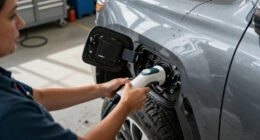
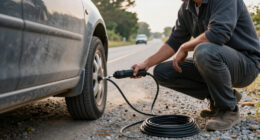
To avoid debeading when airing down, stay within your tire’s recommended pressure range and avoid going too low on the rims. Use a quality gauge and a portable compressor for accurate adjustments. Pay attention to terrain—sandy or loose surfaces often need lower pressures, but rocky trails may require slightly higher ones to keep the beads seated. Regularly inspect your tires to guarantee proper seating, and if you notice issues, reinflate. For more detailed tips, keep going.

Get business pricing on garage and car supplies
- Business-only prices and quantity discounts
- Tax-exempt purchasing
- Multiple users, one account, clear invoices
Key Takeaways
- Maintain tire pressure above 15 psi to prevent debeading and rim damage.
- Use a high-quality pressure gauge for accurate readings during air down.
- Regularly inspect bead seating after deflating and before venturing onto rough terrain.
- Adjust pressure based on terrain type and vehicle weight to avoid excessive deflation.
- Reinflate tires promptly if beads appear loose or pressures drop below safe levels.
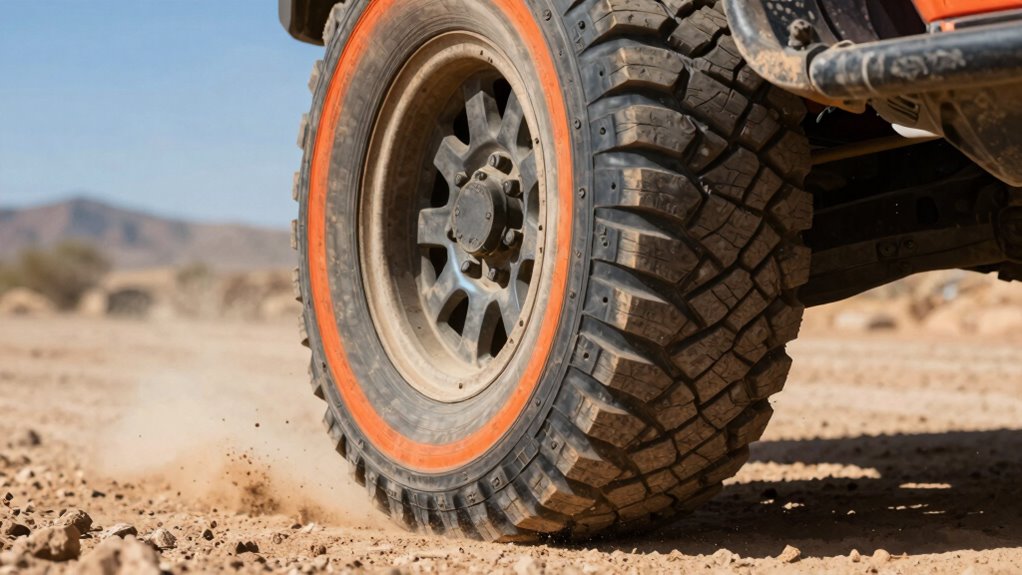
Ever wondered why many off-road enthusiasts choose to air down their tires before hitting challenging terrains? It’s because lowering your tire pressure markedly improves tire traction, allowing your vehicle to grip uneven surfaces better. When you deflate your tires, you create a larger contact patch with the ground, giving your vehicle more control over tricky obstacles and loose surfaces. But while the benefits are clear, there’s a fine line between optimizing tire traction and risking a dangerous blowout or debeading. That’s where understanding the air down rules becomes essential to avoid low-pressure pitfalls.
Reducing tire pressure enhances your vehicle’s stability on uneven or loose terrain. When your tires are properly aired down, they can absorb shocks and irregularities more effectively, preventing sudden slips or loss of control. However, if you go too low, especially without considering your tire type or terrain, you increase the risk of debeading—where the tire separates from the rim. This isn’t just a minor inconvenience; it can leave you stranded in the middle of nowhere, requiring a roadside fix or even a tow. Understanding tire pressure ranges is crucial to making safe adjustments and avoiding low-pressure hazards.
Properly aired tires boost stability and shock absorption, but going too low risks debeading and getting stranded.
To prevent debeading, you need to follow specific air down rules. First, always know your tire’s recommended pressure range. Many off-road tires are designed to handle lower pressures, but exceeding the limits can be dangerous. As a general guideline, avoid dropping below 15 psi for most passenger tires, and even higher for larger, heavy-duty tires. Remember, the goal isn’t just to deflate but to optimize tire contact without compromising the tire’s integrity. Tire pressure range knowledge helps you make informed decisions and prevents low-pressure mistakes.
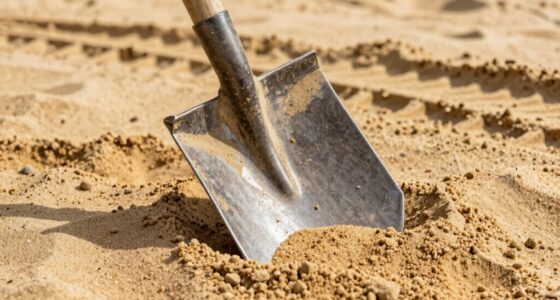
Next, consider your terrain and vehicle weight. Rocky, sandy, or muddy conditions often demand lower pressures, but you should adjust accordingly. For instance, if you’re tackling rocky trails, slightly higher pressures may prevent debeading, while sandy dunes might allow for more deflation. Also, pay attention to your vehicle’s weight distribution. Heavier vehicles need slightly higher pressures to keep the tire bead seated securely. Additionally, understanding your tire’s pressure range can help you make informed decisions and avoid dangerous low-pressure situations. Regularly inspecting your tires and their bead area is a good practice to ensure everything remains secure during your adventure.
Always check your tires regularly as you air down, and don’t rely solely on a gauge. Use a quality pressure gauge for accuracy, and keep a portable air compressor handy for quick adjustments. After airing down, inspect the bead area to ensure it’s seated properly. If your tires are starting to look suspiciously low or the bead seems loose, reinflate to a safer pressure. Regular inspections help you maintain optimal pressure and prevent debeading issues during your off-road adventures. Proper maintenance and awareness are key to safe off-roading.
In essence, mastering the air down rules means balancing tire traction with vehicle stability. You want to maximize grip without risking debeading. When you follow these guidelines, you’ll enjoy better control, fewer setbacks, and safer off-road adventures.
As an affiliate, we earn on qualifying purchases.
Frequently Asked Questions
How Often Should I Check My Tire Pressure During a Ride?
You should check your tire pressure every 15 to 30 minutes during a ride. Tire pressure fluctuations happen due to temperature changes and riding conditions, affecting your riding comfort. Regular checks help you maintain ideal pressure, preventing under-inflation or over-inflation issues. Keeping an eye on your pressure ensures a smoother ride, better traction, and reduced risk of damage, making your ride safer and more enjoyable overall.
What Tools Are Best for Measuring Low Tire Pressure Accurately?
Ever wondered what tools give you the most accurate readings for low tire pressure? Digital gauges are excellent because they display precise, easy-to-read numbers instantly. Analog testers are reliable too, especially if you prefer a traditional feel and quick visual check. Both tools help you avoid under-inflation, ensuring your ride stays safe and efficient. Whichever you choose, consistently measuring pressure keeps you in control and prevents unnecessary tire damage.
Can I Air Down My Tires on Any Type of Terrain?
You can air down your tires on most terrains, but you should be cautious to prevent bead damage and maintain air retention. Soft terrains like sand or snow are ideal for lowering pressure, reducing bead stress and maximizing traction. On rocky or rugged surfaces, lower pressures risk bead de-beading or air loss. Always confirm your tires are properly seated and check pressure regularly to avoid losing air or damaging the bead.
How Does Temperature Affect Tire Pressure When Riding Low?
Your tire pressure is a rollercoaster ride, influenced heavily by temperature changes. When riding low, tire temperature directly affects pressure fluctuations; as it heats up, pressure increases, risking over-inflation, while cooling causes pressure drops, risking under-inflation. Keep an eye on tire temperature, especially in extreme weather, to maintain ideal pressure. This way, you avoid unpredictable pressure swings that could compromise your ride’s safety and performance.
Are There Specific Tire Brands Recommended for Low-Pressure Riding?
For low-pressure riding, consider tire brand recommendations like Maxxis, Schwalbe, or WTB, which offer reliable low-pressure tire options. These brands design tires with supple casings and reinforced sidewalls, making them ideal for maintaining grip and durability at reduced pressures. When selecting low-pressure tire options, prioritize those that provide better puncture resistance and grip, ensuring a safer and more comfortable ride on rough or technical terrains.
portable air compressor for tires
As an affiliate, we earn on qualifying purchases.
As an affiliate, we earn on qualifying purchases.
Conclusion
So, next time you lower your tire pressure for better traction, remember that avoiding debeading isn’t just about following rules — it’s about understanding your tires and your vehicle. Some say you can’t truly prevent debeading at low pressures, but with the right techniques and a bit of care, you can minimize the risk. Trust your instincts, stay informed, and enjoy that smooth, confident ride without worrying about losing your bead.
As an affiliate, we earn on qualifying purchases.
tire pressure monitoring system for off-road vehicles
As an affiliate, we earn on qualifying purchases.
As an affiliate, we earn on qualifying purchases.
Halloween Picks
halloween
As an affiliate, we earn on qualifying purchases.