
To plan your fridge’s power effectively, start by understanding its startup current and choosing a model with energy-efficient features. Place it in a cool, ventilated spot and use energy monitors to track daily consumption. Manage load carefully by distributing your household’s power use and utilizing smart devices for data insights. Focus on reducing long-term costs with proper placement, monitoring, and planning. Keep exploring for more tips to optimize your fridge’s energy use and longevity.

Get garage and car supplies delivered free — and shop member deals
- Fast, free delivery on millions of items
- Access to Prime Big Deal Days deals on October 6–7
- Prime Video, Amazon Music and more included
Key Takeaways
- Understand your fridge’s startup current and surge requirements to select appropriate power sources and prevent overloads.
- Position your fridge in a cool, ventilated area to reduce compressor load and improve energy efficiency.
- Use energy monitoring tools to track consumption, identify patterns, and optimize thermostat settings for savings.
- Choose models with energy-efficient features and consider smart devices for better performance management.
- Plan load distribution and ensure electrical systems can handle startup surges for reliable, efficient operation.
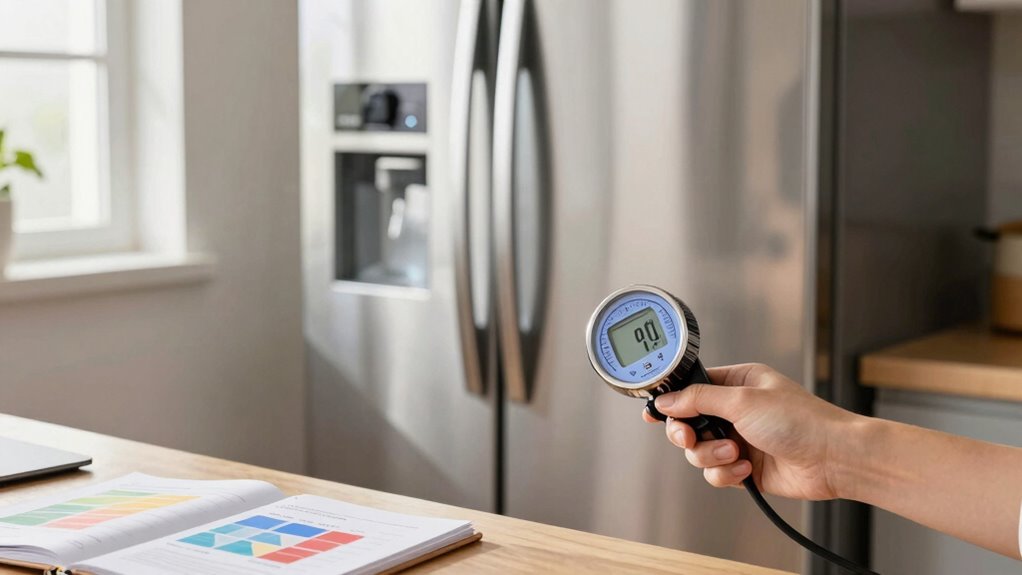
Whether you’re new to managing appliance energy use or looking to optimize your fridge’s efficiency, understanding how to plan its power needs is essential. The first step is to grasp how energy efficiency plays a vital role in reducing both your utility bills and your environmental impact. When you consider energy efficiency, you’re focusing on how well your fridge converts electrical energy into cooling power without wasting it. This knowledge helps you choose models that consume less power over time, which is especially important if you’re aiming for long-term savings. Additionally, understanding startup current is crucial because it determines the initial power surge your fridge requires to start up properly. Startup considerations are equally important in your planning process. When you power on your fridge, it requires a surge of energy to get the compressor running — this is called the startup current. If you don’t account for this surge, you might underestimate your power needs, leading to potential overloads or inefficient operation. To avoid this, you should select a power supply that can handle the initial startup load comfortably. This means checking the fridge’s specifications for startup current and ensuring your electrical system can support that demand without tripping breakers or causing voltage drops. As you progress from beginner to pro, you’ll learn to balance these startup considerations with ongoing energy efficiency. For example, choosing a fridge with inverter technology can help manage startup surges more efficiently, reducing energy waste during startup and steady operation. It’s also wise to consider the placement of your fridge; keeping it in a cool, well-ventilated spot minimizes the load on the compressor, further enhancing energy efficiency. Monitoring your fridge’s actual power consumption over time gives you valuable insights. Using a simple energy monitor allows you to see how much power your fridge consumes daily and identify patterns or anomalies. This data helps you make informed decisions, like adjusting the thermostat to optimize cooling without overworking the compressor or replacing older units with newer, more efficient models. Paying attention to energy-efficient features can significantly impact your overall energy savings and equipment longevity. Incorporating smart home devices that track appliance energy use can further optimize your fridge’s performance and help you stay within your power planning goals. Additionally, understanding load management techniques can assist in distributing energy use more effectively across your household or facility.
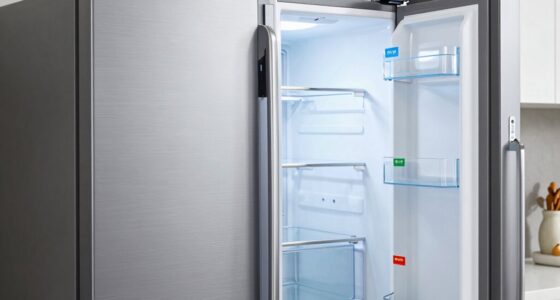
energy-efficient refrigerator with inverter technology
As an affiliate, we earn on qualifying purchases.
As an affiliate, we earn on qualifying purchases.
Frequently Asked Questions
How Do I Estimate My Fridge’s Actual Energy Consumption?
To estimate your fridge’s actual energy consumption, start with its energy monitoring features or use an external power meter. Track its power usage over a week, noting fluctuations. This data helps you understand your fridge’s real energy use and identify opportunities for power optimization. Regular monitoring guarantees you’re aware of consumption patterns, enabling you to make informed decisions that save energy and reduce your electricity bills.
What Are the Best Energy-Efficient Fridge Models for Beginners?
You should look for eco-friendly fridge models that feature advanced compressor technologies like inverter compressors, which save energy and reduce noise. Brands like LG, Samsung, and Whirlpool offer beginner-friendly options with these features, making them easier to operate and more efficient. These models often include eco-friendly features such as improved insulation and energy-saving modes, ensuring you get reliable cooling while minimizing your environmental impact.
How Does Insulation Affect Fridge Power Planning?
Think of insulation as a cozy blanket wrapping your fridge, reducing energy use. It affects power planning by improving thermal resistance, so less energy leaks out. Using high-quality insulation materials with better thermal resistance keeps your fridge cooler with less effort. This means you can plan for lower energy consumption, saving money and extending your appliance’s lifespan. Proper insulation is the secret sauce to efficient fridge operation and smarter power use.
Are There Seasonal Variations in Fridge Energy Usage?
Yes, there are seasonal variations in your fridge’s energy usage. During warmer seasons with higher temperatures, your fridge works harder to maintain coolness, increasing energy consumption. Humidity fluctuations also play a role, as higher humidity can make cooling less efficient. Conversely, in cooler seasons, your fridge uses less power because it doesn’t need to work as hard. Monitoring these seasonal changes helps optimize your fridge’s energy efficiency year-round.
How Can I Reduce Power Consumption During Power Outages?
During power outages, you can reduce fridge power consumption by using battery backups to maintain essential functions without overworking the compressor. Implementing smart power management helps conserve energy, such as setting the fridge to a higher temperature temporarily. Keep the fridge full to retain cold better and avoid opening it frequently. These steps help minimize energy use during outages, protecting your appliance and saving you energy.
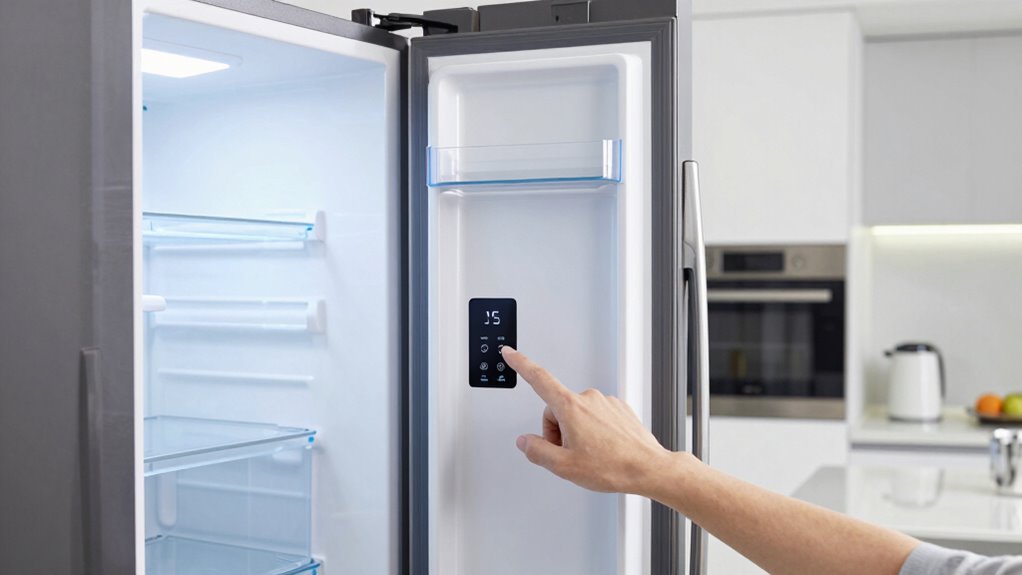
smart energy monitor for appliances
As an affiliate, we earn on qualifying purchases.
As an affiliate, we earn on qualifying purchases.
Conclusion
As you continue your journey from novice to professional, remember that careful planning is your trusted compass. With each step, you’ll navigate the subtle currents of power needs, ensuring your fridge operates smoothly and efficiently. Think of it as tending a delicate garden—attentive care yields a thriving, harmonious space. Keep learning, stay attentive, and soon, your understanding will bloom into confidence, guiding you effortlessly through every power decision ahead.
As an affiliate, we earn on qualifying purchases.
best placement for fridge in kitchen
As an affiliate, we earn on qualifying purchases.
As an affiliate, we earn on qualifying purchases.
Halloween Picks
halloween
As an affiliate, we earn on qualifying purchases.