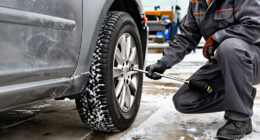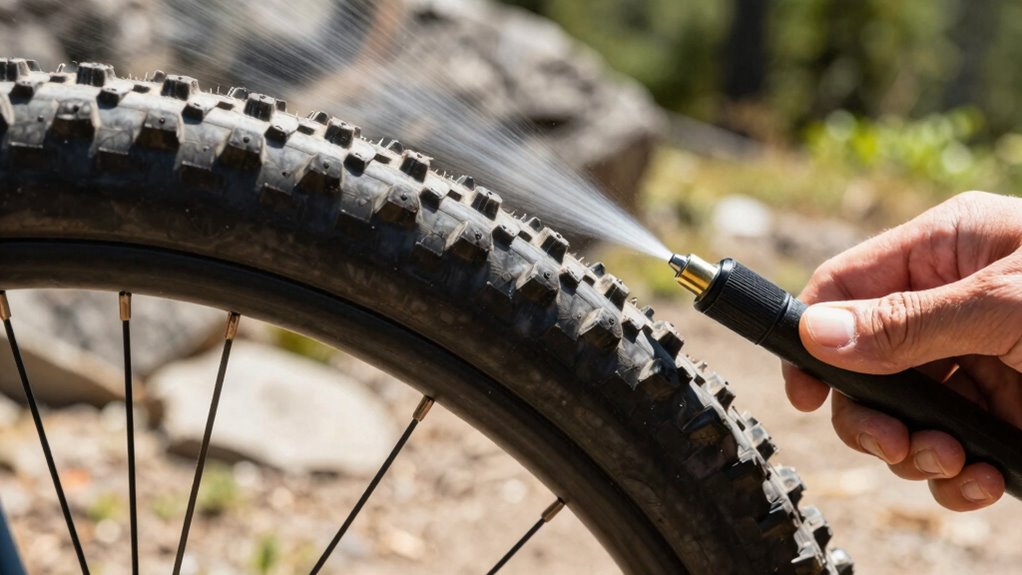

To go from beginner to pro with air down pressures, start with your manufacturer’s recommended PSI and adjust gradually based on terrain and riding style. Focus on small tweaks in response to how your bike feels—lowering pressure for better traction on soft ground or increasing it on smoother surfaces. Practice sensing how changes affect your ride, and check your pressures regularly with a reliable gauge. Keep experimenting, and you’ll quickly learn how to master your bike’s ideal setup.

Get business pricing on garage and car supplies
- Business-only prices and quantity discounts
- Tax-exempt purchasing
- Multiple users, one account, clear invoices
Key Takeaways
- Start with manufacturer-recommended pressures as a baseline for your terrain and riding style.
- Gradually lower pressures in small increments to improve traction on technical or softer terrain.
- Use a reliable gauge to consistently monitor and adjust tire pressures before each ride.
- Adjust air pressure based on terrain, rider weight, and riding style for optimal control.
- Practice and observe ride responses to develop a feel for ideal tire pressures over time.
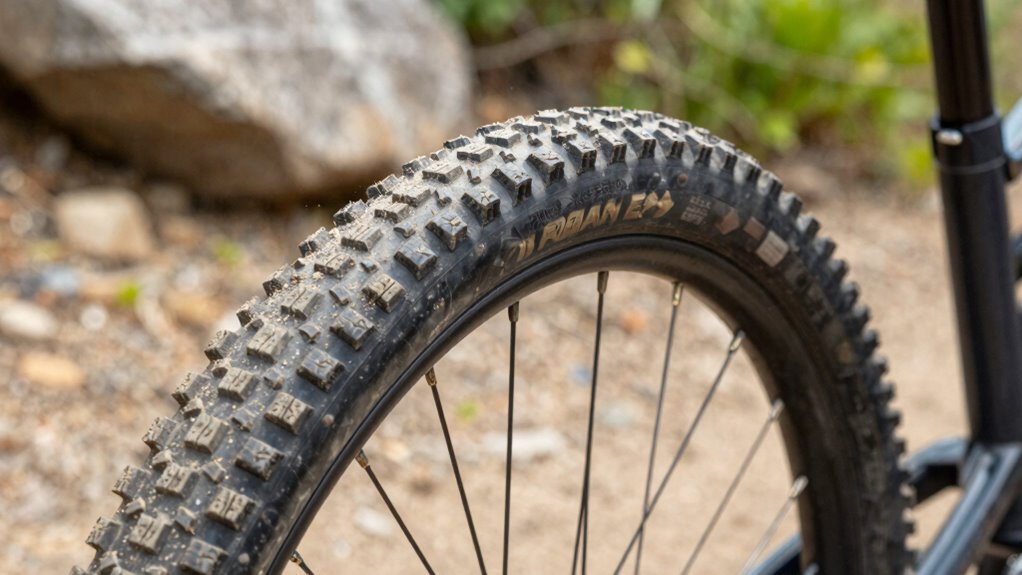
Whether you’re just starting out or aiming to perfect your riding, understanding how to set the right air down pressures is vital for peak performance. Properly adjusted tire pressures greatly impact your bike’s tire traction and vehicle handling, making your ride safer and more enjoyable. When you begin, it’s tempting to stick with the manufacturer’s recommended pressures, but as you gain experience, you’ll realize that tweaking these pressures based on terrain and riding style can elevate your skills.
Optimizing tire pressures boosts performance, traction, and safety as you progress in your riding skills.
Lowering your tire pressure slightly can improve tire traction because more of the tire’s surface contacts the ground. This added grip helps you maintain better control through turns and over uneven surfaces. However, going too low can lead to pinch flats or a slower response, so it’s a balancing act. Conversely, higher pressures reduce rolling resistance and make your vehicle handle more predictably on smooth surfaces, but they can compromise traction, especially on rough or loose terrain. As a beginner, it’s vital to experiment gradually, adjusting pressures by small increments and paying attention to how your bike responds. Being aware of tire pressure fluctuations is crucial because small changes can significantly influence your ride quality. Additionally, understanding how tire pressure impacts ride comfort can help you fine-tune your setup for different conditions. Recognizing the effects of pressure variations can assist in optimizing your riding experience across diverse terrains.
Your vehicle handling directly correlates with your tire pressure choices. When your tires are properly inflated for the conditions, your bike responds more precisely to your inputs, making steering smoother and more predictable. If your pressures are too low, you risk feeling sluggish or experiencing instability, especially at higher speeds. Too high, and you might notice a harsher ride and less grip, which can make cornering feel skittish. It’s essential to consider factors such as rider weight, terrain type, and riding style when setting pressures. Heavier riders typically need slightly higher pressures to prevent pinch flats, while softer terrain benefits from lower pressures for better traction.
As you progress, you’ll learn to read the terrain and adjust your air down pressures accordingly. For technical trail riding, lower pressures give you better tire contact and control, while for cross-country or racing, higher pressures enhance speed and responsiveness. Always check your pressures before each ride using a reliable gauge, as small fluctuations can impact handling more than you might think. Additionally, understanding the impact of tire pressure on ride quality can help you make more informed adjustments. Over time, you’ll develop a feel for the ideal pressures that maximize tire traction and vehicle handling, making every ride more efficient and safer. Remember, fine-tuning your air down pressures isn’t just about comfort; it’s a vital skill that transforms your riding from basic to pro-level.
As an affiliate, we earn on qualifying purchases.
Frequently Asked Questions
How Often Should I Check My Tire Pressure During a Trip?
You should check your tire pressure at least once every couple of hours during your trip, especially if you’re driving on rough road conditions or uneven terrain. Regular checks help prevent uneven tire wear and maintain peak traction. Keep an eye on changing road conditions, as they can affect tire pressure. Staying proactive ensures your tires stay in good shape, enhancing safety and performance throughout your journey.
Can Adjusting Air Down Pressures Improve Fuel Efficiency?
Adjusting air down pressures can improve your fuel efficiency by reducing rolling resistance, which helps your vehicle move more smoothly. However, if you lower pressures too much, you might experience uneven tire wear and decreased handling stability. Find the right balance for your vehicle and driving conditions. Properly maintained tire pressure guarantees maximum fuel economy, prolongs tire life, and maintains safe handling, making your trips more efficient and enjoyable.
What Tools Are Best for Measuring Air Down Pressures Accurately?
To measure air down pressures accurately, you need a reliable tire gauge. Digital gauges often provide more precise readings and are easier to read, especially in low light. However, analog gauges can be just as accurate if properly calibrated. Regularly check your tire gauge’s calibration to guarantee accuracy. Choose a gauge that suits your preference, but always keep it in good condition for consistent, precise measurements.
How Do Weather Changes Affect Optimal Tire Pressure?
A stitch in time saves nine, and that’s true with tire pressure adjustments. Weather changes, like temperature shifts, affect tire pressure because of fluctuating tire temperature. Cooler weather can lower pressure, while warmer conditions increase it. Road conditions also influence ideal pressure; rough terrain may require different settings. Always check your tire pressure regularly, especially during weather changes, to maintain safety and performance on varying road conditions.
Are There Safety Risks With Running Very Low Air Pressures?
Running very low air pressures can pose safety risks, like tire bead separation and compromised sidewall integrity. You might experience increased risk of tire dismounting from the rim, especially during turns or sudden stops. Lower pressure also causes uneven wear and heat buildup, which can lead to blowouts. To stay safe, make sure your tire pressure stays within the recommended range, balancing traction with maintaining the tire’s structural integrity.
As an affiliate, we earn on qualifying purchases.
Conclusion
As you master air down pressures, think of your tires as the sails of a ship, catching the wind just right to glide smoothly through any terrain. Each adjustment is a brushstroke on your canvas of adventure, transforming your ride from tentative to confident. Remember, patience is your compass, guiding you through the journey from beginner to pro. With every ride, you’re not just lowering pressures—you’re opening doors to new horizons and endless possibilities.
As an affiliate, we earn on qualifying purchases.
As an affiliate, we earn on qualifying purchases.
Columbus Day / Indigenous Peoples' Day Picks
long weekend sales
As an affiliate, we earn on qualifying purchases.