Soldering is acceptable in automotive wiring for small, low-current signals and sensor connections where a solid, corrosion-resistant joint is needed. Avoid using solder for high-current power cables or critical grounds, as solder joints can crack or become brittle under vibration and temperature changes. Proper techniques and protective measures can improve durability, but understanding when soldering is suitable helps prevent future issues. Keep exploring to discover tips for reliable, long-lasting automotive wiring connections.
Key Takeaways
- Soldering is suitable for low-current signals, sensors, and small wires, providing solid, corrosion-resistant connections.
- Avoid soldering high-current power cables or critical grounding points, where crimping offers better durability.
- Proper soldering techniques, including cleaning surfaces and controlling heat, are essential for reliable automotive joints.
- Soldered joints exposed to moisture or chemicals should be protected with coatings or heat-shrink tubing to prevent corrosion.
- For connections subject to vibration, stress, or extreme conditions, crimping is preferred over soldering for long-term durability.

Soldering automotive wiring is a essential skill for ensuring reliable electrical connections in your vehicle. When done correctly, soldering creates a solid, conductive joint that resists corrosion and vibration, which are common in automotive environments. However, mastering the right soldering techniques is fundamental to avoid common pitfalls that can compromise your wiring’s integrity. If you neglect proper technique, you might end up with cold joints, weak connections, or even damage to the wiring insulation. Understanding when solder is acceptable and when it’s a bad idea is key to maintaining your vehicle’s electrical system.
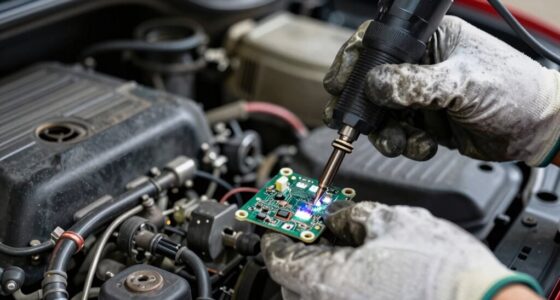
In general, soldering is acceptable when working with small, low-current wires used for signal connections or sensor wiring. Soldered joints can be very effective here, provided you follow proper soldering techniques—adequate heating, using the right amount of solder, and ensuring a clean, oxidation-free surface. This prevents issues like intermittent connections or increased resistance that could lead to malfunction. But be cautious: over-soldering or applying excessive heat can melt insulation or damage delicate components. That’s why it’s important to use a soldering iron with adjustable temperature control and to work quickly to avoid heat-related damage.
Despite its advantages, soldering isn’t always ideal for high-current power cables or critical grounding points. These connections are better served by crimping and using high-quality connectors designed for automotive use. Solder joints, if not properly secured, can be brittle or prone to cracking under vibration and temperature fluctuations. Furthermore, soldered wires can become rigid, making them more vulnerable to breaking if the wiring is subjected to movement or stress. For these reasons, many professionals recommend crimping over soldering for high-current applications, to ensure maximum durability and safety.
Another situation where soldering can be risky is in environments with high exposure to moisture or chemicals. Soldered joints can corrode over time if not properly sealed or coated, leading to resistance buildup and eventual failure. If you choose to solder in these conditions, applying a protective coating or heat-shrink tubing can help safeguard the joint. But if you’re unsure about the environment or lack experience, it might be better to rely on crimp connectors designed for automotive use.
Properly designed solder joints can withstand the stresses of automotive environments, especially when combined with protective measures.
Frequently Asked Questions
How Long Does Soldered Wiring Last in Automotive Conditions?
Soldered wiring can last 10-20 years in automotive conditions if you use proper techniques. Durability concerns include ensuring a solid, clean solder joint to prevent failures. Corrosion resistance depends on using the right flux and protecting connections with heat shrink or dielectric grease. Regular inspections help catch corrosion early, extending the lifespan. Properly soldered and protected wiring can withstand the vibrations and temperature changes typical in vehicles.
Can Soldering Repair Damaged Wiring Without Replacing Entire Harness?
Yes, you can perform wire repair with soldering without replacing the entire harness. Just guarantee your solder joints are solid and well-insulated to maintain long-term solder longevity. Properly cleaned and heated wires ensure a strong connection, reducing future issues. Keep in mind, soldering is best for small, accessible repairs; for extensive damage, replacing the harness is more reliable. Your careful soldering can effectively restore damaged wiring.
Is It Safe to Use Lead-Based Solder in Vehicles?
Using lead-based solder in your vehicle isn’t the safest choice. While it’s effective for a solid connection, it raises concerns about lead poisoning and environmental impact. Many modern alternatives avoid these issues, offering safer, environmentally friendly options. If you’re concerned about health and safety, it’s best to opt for lead-free solder. Your vehicle’s wiring can be reliable without risking your health or harming the environment.
How Does Soldering Affect Vehicle Warranty Coverage?
Soldering can impact your vehicle’s warranty coverage if it conflicts with manufacturer policies. If you solder wiring without following approved methods or void the warranty terms, the manufacturer might deny coverage for related repairs. Always check your vehicle’s warranty documentation and manufacturer guidelines before soldering. Properly done, soldering typically doesn’t void your warranty, but improper techniques or unauthorized modifications can lead to warranty implications.
What Tools Are Essential for Professional Automotive Soldering?
Forget magic wands—your essential tools for professional automotive soldering include a good soldering iron, a fine-tip tip for precision, a variety of solder types like leaded and lead-free, heat shrink tubing, and a reliable wire stripper. Master your soldering techniques with steady hands, because a perfect joint isn’t just about tools, it’s about technique. Now, go ahead—be the soldering wizard your vehicle’s wiring deserves!
Conclusion
So, next time you’re working on automotive wiring, ask yourself: is soldering really the best choice here? While it offers a solid connection, it’s not always suitable for every situation. Sometimes, a crimp or connector does the job better, especially in high-vibration areas. Remember, your goal is a reliable, long-lasting connection. So, weigh your options carefully—after all, isn’t your vehicle’s safety worth choosing the right method?