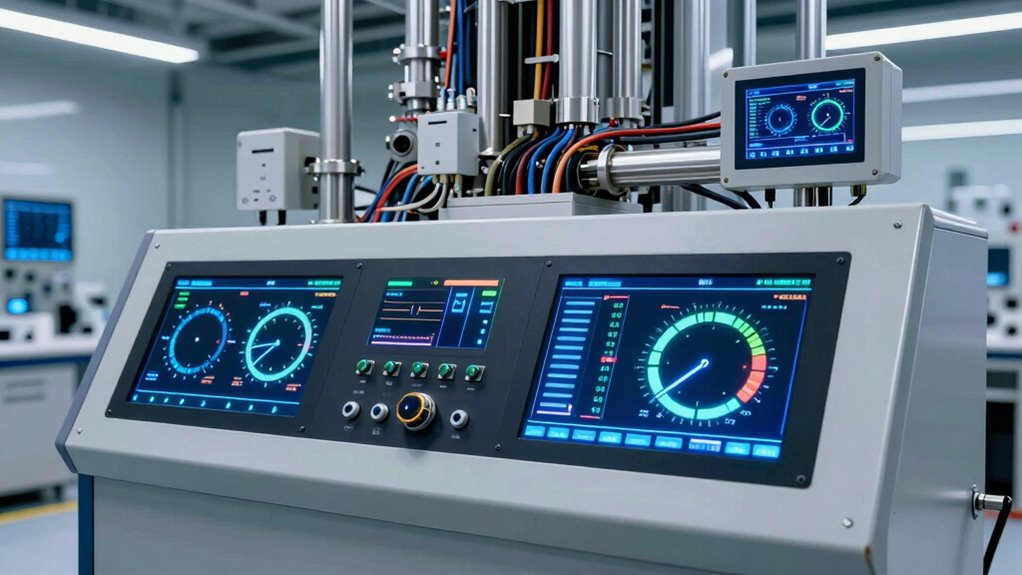

Hybrid performance systems combine an electric motor and an internal combustion engine to provide smooth, efficient driving. They seamlessly switch between power sources based on driving conditions, like city traffic or highway cruising. This setup boosts fuel economy, reduces emissions, and offers quieter operation. Regenerative braking captures energy to recharge the battery, improving overall efficiency. To discover how these systems optimize performance and energy management, explore the details further.
Key Takeaways
- Hybrid systems combine electric motors and internal combustion engines for smooth, efficient power delivery across driving conditions.
- They switch seamlessly between electric-only, gasoline, or combined modes to optimize performance and fuel economy.
- Regenerative braking captures and stores energy for later use, enhancing overall efficiency.
- The electric motor assists during low-speed, stop-and-go, or uphill driving, reducing fuel consumption and emissions.
- Technological advancements improve energy management, battery lifespan, and driving experience in hybrid performance systems.
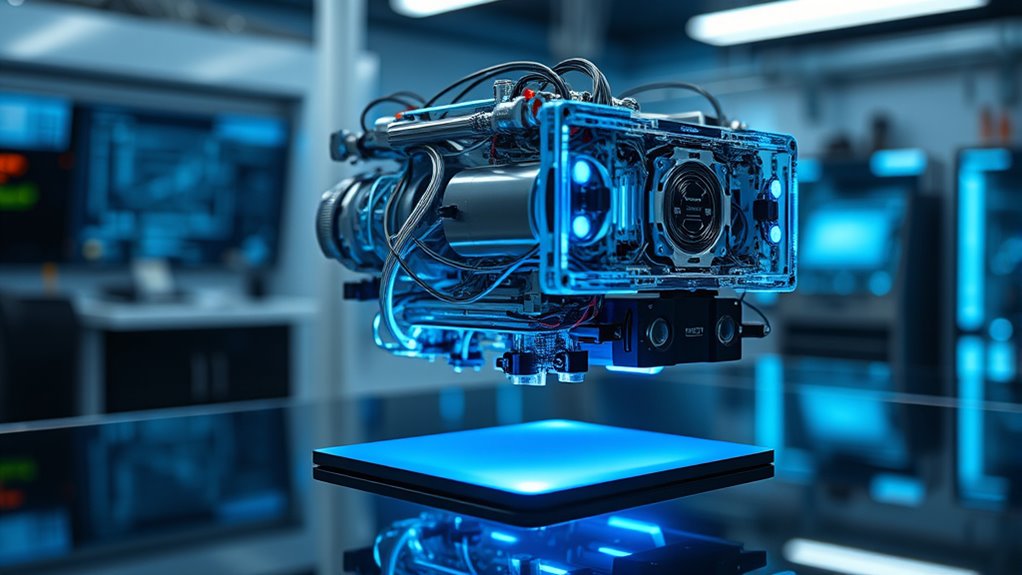
Hybrid performance systems combine multiple technologies or approaches to optimize efficiency and adaptability. If you’re exploring how modern vehicles achieve better fuel economy and performance, understanding these systems is key. At their core, hybrid systems integrate an electric motor with a traditional internal combustion engine, working together seamlessly to provide power while maximizing fuel efficiency. The electric motor plays a vital role, especially during low-speed driving, start-stop scenarios, or light acceleration. This means your vehicle can switch between electric power and gasoline power or even operate both simultaneously. As a result, you experience smoother acceleration, quieter operation, and, most importantly, reduced fuel consumption.
When you drive a hybrid vehicle, the electric motor isn’t just a supplemental feature; it’s an active partner in propulsion. During city driving or stop-and-go traffic, the electric motor often takes the lead, minimizing the use of the internal combustion engine. This markedly improves fuel efficiency because electric motors consume no fuel and produce no emissions during operation. You’ll notice that your vehicle conserves fuel more effectively than traditional gas-powered cars, especially in urban environments where frequent stops are common. Additionally, hybrid systems often include regenerative braking, which captures energy normally lost during braking and converts it into electrical energy stored in batteries. This stored energy then powers the electric motor later, further enhancing fuel efficiency.
The integration of an electric motor also allows your vehicle to operate in an energy-efficient mode, reducing engine load and emissions. It gives you the flexibility to enjoy better mileage without sacrificing performance. When you need more power, such as during highway cruising or uphill climbs, the internal combustion engine kicks in, working in harmony with the electric motor. This hybrid approach ensures that you’re getting ideal power when necessary while conserving fuel during less demanding driving conditions. Because of this synergy, hybrids tend to have a lower total cost of ownership over time, thanks to fewer visits to the pump and less wear on engine components. Moreover, advancements in projector technology are improving the overall driving experience in modern hybrid vehicles by providing better visual displays and interfaces. Additionally, ongoing innovations in battery management systems are crucial for maximizing the lifespan and performance of hybrid batteries, further benefiting drivers. To optimize the benefits of hybrid systems, regular maintenance and understanding your vehicle’s energy management features can help extend its longevity and efficiency.

ANCEL AD310 Classic Enhanced Universal OBD II Scanner Car Engine Fault Code Reader CAN Diagnostic Scan Tool, Read and Clear Error Codes for 1996 or Newer OBD2 Protocol Vehicle (Black)
CEL Doctor: The ANCEL AD310 is one of the best-selling OBD II scanners on the market and is...
As an affiliate, we earn on qualifying purchases.
Frequently Asked Questions
How Do Hybrid Systems Compare in Cost to Traditional Systems?
You’ll find that hybrid systems often have a higher initial cost compared to traditional systems, but an affordability analysis shows they can save you money over time through lower energy bills and reduced maintenance. The cost comparison depends on your specific needs and usage patterns. While the upfront investment is higher, the long-term savings and efficiency benefits often make hybrid systems a more cost-effective choice.
What Maintenance Is Required for Hybrid Performance Systems?
You’ll need to schedule regular maintenance for your hybrid performance system, including routine component inspections to guarantee all parts function efficiently. Maintenance scheduling involves checking the battery, inverter, and cooling systems, while monitoring for wear and tear. Keeping up with these tasks helps prevent breakdowns, extends system lifespan, and maintains ideal performance. By staying proactive, you can avoid costly repairs and ensure your hybrid system runs smoothly and reliably over time.
Are Hybrid Systems Suitable for All Types of Buildings?
Hybrid systems aren’t suitable for all buildings. Your building design and energy efficiency goals play a big role in determining if they fit. If your structure benefits from integrating multiple energy sources and aims to optimize performance, a hybrid system can work well. However, for simple or small buildings, the added complexity might not be justified. Assess your specific needs to decide if a hybrid system aligns with your project’s objectives.
How Long Is the Typical Lifespan of a Hybrid System?
A hybrid system typically lasts around 10 to 15 years, but this depends on battery longevity and component durability. You can extend its lifespan by regular maintenance and ensuring quality parts are used. Keep an eye on battery performance and replace it when needed, as batteries tend to degrade over time. Proper care and timely upgrades help maximize your hybrid system’s durability and efficiency over its lifespan.
Can Hybrid Systems Be Integrated With Existing Infrastructure?
Yes, you can integrate hybrid systems with your existing infrastructure. They are designed to be compatible with current energy storage solutions and grid systems, allowing seamless operation. By combining hybrid performance systems with your setup, you enhance energy efficiency and reliability. Just make sure your infrastructure supports grid compatibility, and consult professionals to optimize integration for maximum benefit. This approach helps you leverage current assets while expanding your energy capabilities.

BLCKTEC 460T OBD2 Scanner Car Code Reader Engine ABS SRS Transmission Diagnostic Tool, 12 Reset Services, Oil/TPMS/EPB/BMS/SAS/DPF/Throttle Reset, ABS Bleeding, Battery Test, Auto VIN, Free Update
[All System Diagnostics, Professional-Level Scanner] - BLCKTEC 460T is the ultimate OBD2 diagnostic tool for home mechanics and...
As an affiliate, we earn on qualifying purchases.
Conclusion
So, after all this, you’d think a hybrid system would be complicated or expensive, right? But here’s the irony: it’s often simpler and more efficient than sticking to just one approach. You might have expected perfection from a single system, yet it’s the blend that truly shines. Sometimes, mixing things up isn’t just smart—it’s the only way to get real performance. Who knew that hybrid solutions could be the most straightforward answer of all?

MOTOPOWER MP69033 Car OBD2 Scanner Code Reader Engine Fault Scanner CAN Diagnostic Scan Tool for All OBD II Protocol Cars Since 1996, Yellow
Multi-Functions - Practical Multi-Functions OBD2 code reader features built-in OBD2 DTC lookup library, which help you to determine...
As an affiliate, we earn on qualifying purchases.

ANCEL AD410 Enhanced OBD2 Scanner, Vehicle Code Reader for Check Engine Light, Automotive OBD II Scanner Fault Diagnosis, OBDII Scan Tool for All OBDII Cars 1996+, Black/Yellow
WIDE COMPATIBILITY – Trusted by YouTube Star Scotty Kilmer. The AD410 OBD2 Scanner supports all 16PIN vehicles that...
As an affiliate, we earn on qualifying purchases.