
TL;DR

Get business pricing on garage and car supplies
- Business-only prices and quantity discounts
- Tax-exempt purchasing
- Multiple users, one account, clear invoices
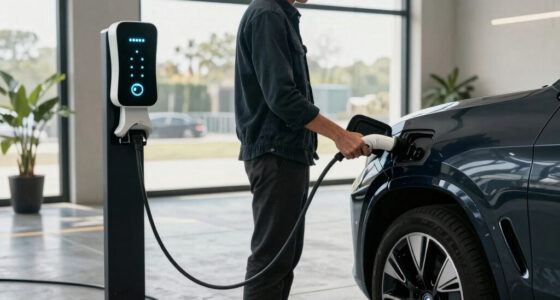
Electric vehicles achieved a record 98.7% market share in Norway’s new car sales in 2023. The Tesla Model Y remains the top-selling model, reflecting Norway’s aggressive EV adoption policies. The trend highlights Norway’s shift toward electric mobility, though exact future developments remain uncertain.
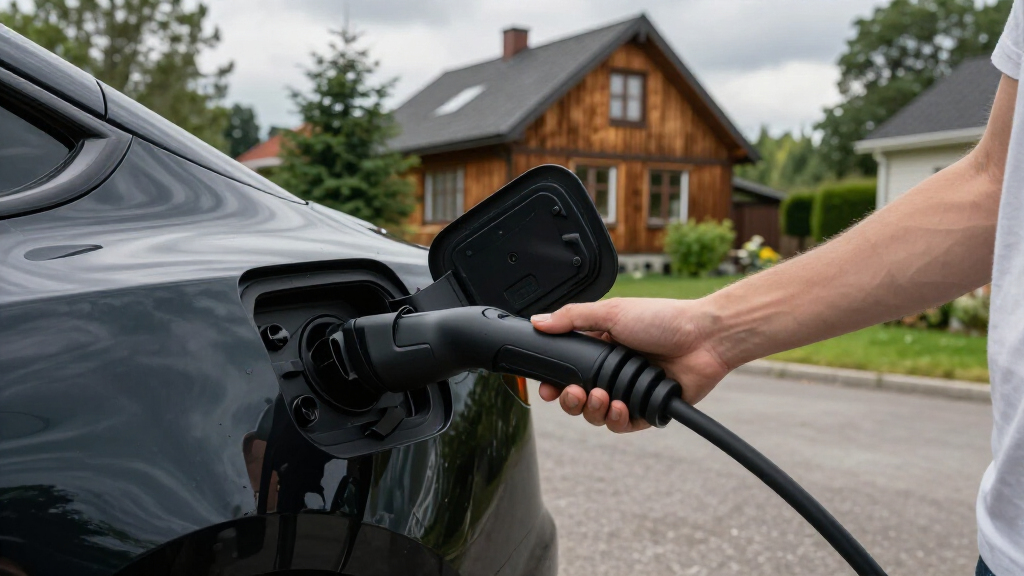
Electric vehicles now account for 98.7% of new car sales in Norway in 2023, setting a new record and underscoring the country’s rapid transition to EVs. This milestone confirms Norway’s position as the world leader in EV adoption, driven by government policies and consumer preferences. The Tesla Model Y remains the top-selling model, reflecting its popularity among Norwegian buyers.
According to recent industry data, electric vehicles represented 98.7% of all new car registrations in Norway during 2023. This surpasses previous records and continues the country’s trend of high EV market penetration. The data, compiled by the Norwegian Road Traffic Information Council, shows a significant decline in internal combustion engine sales, which now constitute less than 2% of new registrations.
Leading the sales charts is the Tesla Model Y, which has maintained its position as Norway’s best-selling vehicle for several consecutive years. Other top models include the Volkswagen ID.4 and the Polestar 2. The high market share is attributed to Norway’s extensive incentives, including tax exemptions, free charging, and access to bus lanes, which have made EVs highly attractive to consumers.
Norwegian authorities have set ambitious targets to phase out sales of new internal combustion engine vehicles by 2025, and these figures indicate strong progress toward that goal. The country’s charging infrastructure continues to expand, further supporting EV adoption. Experts note that the market share figures are unlikely to decline significantly in the near term, given ongoing policy support and consumer enthusiasm.
Norway’s record-high EV market share demonstrates the potential for rapid adoption of electric vehicles when supportive policies are in place. The country’s success serves as a model for other nations aiming to reduce emissions and transition away from fossil fuels. The dominance of models like the Tesla Model Y also highlights the importance of vehicle availability and consumer preferences in shaping market trends. This milestone may influence automakers’ strategies globally, as they recognize Norway’s market as a testing ground for electric mobility’s mainstream acceptance.
As an affiliate, we earn on qualifying purchases.
Norway’s EV Policy and Market Evolution Leading Up to 2023
Norway has been a global leader in EV adoption for over a decade, with policies dating back to the early 2010s that include tax exemptions, free public charging, and access to bus lanes. These measures have significantly increased consumer interest and vehicle sales. By 2020, EVs accounted for over 70% of new car sales, and this figure has steadily increased each year. The country’s goal to phase out internal combustion engine sales by 2025 has driven automakers to prioritize EV offerings in the Norwegian market.
Prior to 2023, the market share was already high, but the latest figures show a dramatic leap, possibly influenced by new incentives, improved vehicle options, and changing consumer attitudes. The trend aligns with global efforts to decarbonize transportation, although Norway remains unique in its aggressive policies and infrastructure investment.
As an affiliate, we earn on qualifying purchases.
Uncertainties About Future EV Market Trends in Norway
While current data confirms an extraordinary market share for EVs in Norway, it remains unclear how this trend will evolve beyond 2023. Factors such as potential policy changes, market saturation, or shifts in consumer preferences could influence future sales. Additionally, the impact of global economic conditions and supply chain issues on vehicle availability is still uncertain. It is also not yet clear whether other models will challenge Tesla’s dominance or if new regulations might alter the market landscape.
As an affiliate, we earn on qualifying purchases.
Next Steps in Norway’s EV Market Development
Norwegian authorities are expected to maintain or strengthen incentives to sustain high EV adoption levels until the 2025 internal combustion engine ban. Automakers will likely continue to prioritize the Norwegian market for new EV launches, given its leadership role. Monitoring upcoming policy adjustments, infrastructure developments, and consumer trends will be crucial to understanding whether Norway can maintain its record market share or if a plateau will be reached.
As an affiliate, we earn on qualifying purchases.
Key Questions
Strong government incentives, extensive charging infrastructure, and consumer preferences for eco-friendly vehicles are the main drivers behind Norway’s high EV market share.
Which EV models are most popular in Norway?
The Tesla Model Y remains the top-selling vehicle, followed by models like the Volkswagen ID.4 and Polestar 2, reflecting consumer preferences for range, performance, and brand loyalty.
Will Norway ban internal combustion engine sales by 2025?
Yes, Norwegian policy aims to phase out new internal combustion engine vehicle sales by 2025, which is a key factor in the country’s EV dominance.
Could other countries replicate Norway’s EV success?
Other countries can learn from Norway’s policies and infrastructure investments, but replicating its market share depends on local political will, economic factors, and consumer attitudes.
Source: rss
Halloween Picks
halloween
As an affiliate, we earn on qualifying purchases.