
TL;DR

Get business pricing on garage and car supplies
- Business-only prices and quantity discounts
- Tax-exempt purchasing
- Multiple users, one account, clear invoices
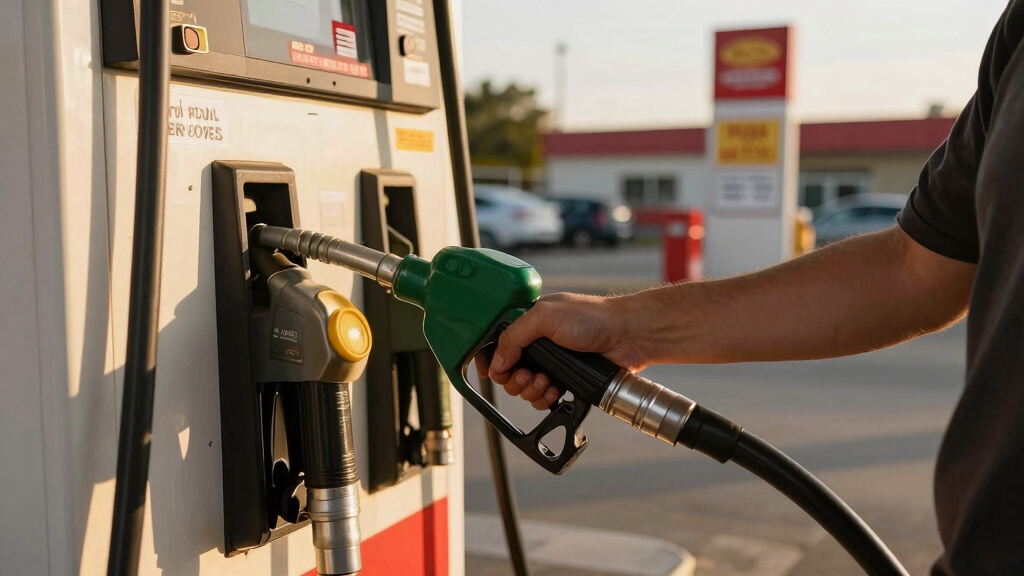
Several major gas station chains have confirmed they sell off-brand fuel at some locations. This practice is more widespread than previously known and raises questions about fuel quality and labeling transparency. The industry says it’s legal and common, but consumers may be unaware.
Major gas station chains have confirmed that they sell off-brand fuel at some of their locations, contradicting consumer expectations that branded stations only sell their own labeled fuel. This development matters because it raises concerns about fuel transparency, quality, and consumer awareness.
Sources within the fuel industry and recent statements from several major gas station brands indicate that off-brand fuel is sold alongside branded fuel at multiple locations. The practice involves supplying stations with fuel from third-party suppliers or bulk fuel that is not labeled under the station’s brand name. This has been confirmed by industry insiders and some station operators, who stated that such arrangements are legal and common in the industry.
While some brands explicitly state that they sell only their own branded fuel, others do not specify or have been found to sell fuel from various suppliers. Consumers often assume that branded stations only sell fuel under their own label, but the reality appears to be more complex. Regulatory agencies have acknowledged that fuel labeling and supply chains can vary, but there is little regulation specifically preventing the sale of off-brand fuel at branded stations.
Fuel quality experts warn that off-brand fuel can sometimes differ in additive composition, which may affect engine performance or emissions. However, industry representatives argue that all fuel sold legally must meet federal standards, regardless of branding.
Implications for Consumers and Industry Transparency
This revelation matters because it impacts consumer trust and raises questions about fuel transparency. Customers paying premium prices at well-known brands may not always receive fuel from the brand’s own supply, potentially affecting engine performance and maintenance costs. It also highlights the need for clearer labeling and disclosure from fuel providers and regulators.
fuel additive for engine performance
As an affiliate, we earn on qualifying purchases.
As an affiliate, we earn on qualifying purchases.
Widespread Industry Practice and Regulatory Gaps
The practice of selling off-brand fuel at branded stations is not new but has gained renewed attention following recent disclosures. Industry insiders say that many major brands source fuel from multiple suppliers, sometimes including third-party providers, to manage costs and supply chain logistics. Regulatory oversight primarily focuses on fuel quality standards rather than branding or labeling specifics, allowing such practices to persist.
Historically, consumers have trusted branded stations to provide consistent quality, but this trust may be misplaced if the fuel is sourced from different suppliers. Consumer advocacy groups have called for more transparency, including clear labeling of fuel sources and supplier disclosures.
“Many consumers assume that branded stations only sell their own fuel, but this is often not the case. Clearer labeling is needed to ensure transparency.”
— Sarah Lopez, Consumer Advocate
As an affiliate, we earn on qualifying purchases.
Extent of Off-Brand Fuel Sales at Major Stations
It is not yet clear how widespread the practice of selling off-brand fuel is across all major brands or specific regions. While some companies confirm that it occurs at certain locations, the full scope remains unquantified. Regulatory agencies have not released comprehensive data on the prevalence of this practice, and industry disclosures vary.
As an affiliate, we earn on qualifying purchases.
Regulatory and Industry Responses Expected Soon
Regulators and consumer groups are expected to scrutinize fuel supply chains more closely. Possible future steps include requiring clearer labeling of fuel sources and increased transparency from fuel providers. Industry associations may also issue guidelines or best practices to address consumer concerns. Further investigations and audits could reveal more about the extent of off-brand fuel sales at branded stations.
As an affiliate, we earn on qualifying purchases.
Key Questions
Can I tell if the fuel at a branded station is off-brand?
Currently, fuel labels typically do not specify the supplier or whether the fuel is from the station’s own refinery or a third-party source. Consumers cannot reliably determine if the fuel is off-brand just by looking at the pump.
Does off-brand fuel affect engine performance?
All fuel sold in the US must meet federal quality standards, so off-brand fuel should technically be safe. However, differences in additives or formulations could potentially impact engine performance or emissions, depending on the source.
Are there regulations preventing gas stations from selling off-brand fuel?
There are no specific regulations that prohibit selling off-brand fuel at branded stations, as long as the fuel meets federal safety and quality standards. Labeling and supply chain transparency are areas where regulation is limited.
What should consumers do to ensure fuel quality?
Consumers can check for fuel quality issues by paying attention to engine performance or using fuel additives. For specific concerns, contacting the station or reviewing their fuel sourcing policies may help. Advocacy for clearer labeling is ongoing.
Source: rss
Halloween Picks
halloween
As an affiliate, we earn on qualifying purchases.