TL;DR
The European Union has introduced a regulation requiring all new cars sold within its borders to be equipped with driver monitoring cameras. This move aims to enhance road safety by monitoring driver alertness and behavior. The regulation is now in effect, but some details about implementation and compliance are still emerging.
The European Union has enacted a regulation requiring all new cars sold in member states to include driver monitoring cameras. This regulation aims to enhance road safety by ensuring driver alertness and reducing accidents caused by fatigue or distraction. The measure is now in force, affecting vehicle manufacturers and consumers across the EU.

Get business pricing on garage and car supplies
- Business-only prices and quantity discounts
- Tax-exempt purchasing
- Multiple users, one account, clear invoices
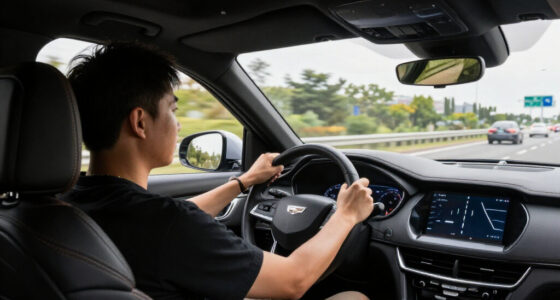
The regulation mandates that every new passenger car, van, and truck sold in the EU must be equipped with a driver monitoring system that uses cameras to observe the driver’s face and eyes. The system must be capable of detecting signs of drowsiness, distraction, or impairment. This decision was announced by the European Commission in March 2024 and has been implemented as of April 2024.
Manufacturers are required to ensure their vehicles comply with the new standards before selling in the EU market. The regulation also specifies that the monitoring data must be processed locally within the vehicle, with strict safeguards on data privacy and security. The European Commission stated that the goal is to reduce road accidents caused by driver inattention, which account for a significant percentage of traffic fatalities in the region.
Automakers have expressed mixed reactions; some support the safety benefits, while others raise concerns about privacy and the potential for increased costs. The regulation is part of broader EU efforts to improve road safety and incorporate advanced driver-assistance systems across the automotive sector.
Impact of Mandatory Driver Monitoring Cameras on Road Safety
This regulation represents a significant step in integrating advanced safety technology into everyday vehicles, with the potential to reduce accidents related to driver fatigue and distraction. By mandating driver monitoring cameras, the EU aims to set a precedent that could influence automotive safety standards worldwide. The move could also accelerate the adoption of other driver-assistance features, ultimately aiming to save lives and prevent injuries on European roads.
Products Worth Considering

DEWALT 20V MAX XR 3-Speed Brushless Impact Driver Kit (DCF845P1)

Milwaukee M12 FUEL 12V Cordless 1/4-Inch Hex Impact Driver Kit

DEWALT 20V MAX XR Brushless Hammer Drill and Impact Driver Combo Kit
As an affiliate, we earn on qualifying purchases.
EU Safety Regulations and the Shift Toward Driver Monitoring
The European Union has been progressively tightening vehicle safety standards over the past decade, including mandatory crash tests, emissions reductions, and electronic stability controls. The recent mandate for driver monitoring cameras builds on these efforts, aligning with the EU’s broader strategy to promote intelligent vehicle systems. Previous initiatives, such as eCall emergency systems, set the stage for increased use of onboard sensors and data collection for safety enhancements.
The regulation follows similar measures in some member states, where driver monitoring systems are already in use or under pilot programs. Industry experts note that this regulation reflects a growing trend toward integrating AI and surveillance technology into vehicles to improve safety outcomes.
“While we support safety initiatives, manufacturers will need time to adapt their systems and ensure compliance with privacy standards.”
— Automotive Industry Association spokesperson
Unresolved Questions on Implementation and Privacy Safeguards
Details remain unclear regarding how quickly manufacturers will fully comply with the regulation, and how enforcement will be carried out across different EU member states. There are also ongoing discussions about the specific data privacy protections, including how driver data will be stored, processed, and protected from misuse. The European Data Protection Board has issued preliminary guidance, but final standards are still being developed.
Next Steps for Vehicle Manufacturers and Regulators
Manufacturers are expected to update their vehicle designs to incorporate driver monitoring cameras in upcoming models. Regulatory agencies will begin inspections and audits to ensure compliance, with penalties for non-adherence. Consumer awareness campaigns and industry consultations are also anticipated to clarify privacy protections and system functionalities. The regulation’s full impact on vehicle safety and market dynamics will become clearer over the coming months.
Key Questions
When did the EU regulation requiring driver monitoring cameras come into effect?
The regulation became effective immediately as of April 2024, requiring all new vehicles sold in the EU to include driver monitoring cameras.
Are all types of vehicles affected by this regulation?
Yes, the regulation applies to all new passenger cars, vans, and trucks sold within the EU.
What are the main safety goals of this regulation?
The primary aim is to reduce road accidents caused by driver fatigue and distraction by monitoring driver alertness in real time.
Will this regulation affect vehicle prices?
Manufacturers have indicated there may be some increase in vehicle costs due to the integration of monitoring systems, but the exact impact remains uncertain.
How will driver data privacy be protected under this regulation?
The regulation mandates that data be processed locally within the vehicle, with strict safeguards on data storage and access, though specific standards are still being finalized.
Source: hn