To decide whether to plug, patch, use a boot, or replace your tire, start by inspecting the damage. Small punctures in the tread, away from the sidewall, can often be repaired with a plug or patch—patching inside is more durable. For large, multiple, or sidewall damage, replacement is safest. If the damage is uncertain, consult a tire professional. Keep exploring to understand how each method fits specific damage types and safety standards.
Open a free Amazon Business account
Business pricing, bulk buying and tax-exempt orders.
As an affiliate, we earn on qualifying purchases.
Key Takeaways
- Small punctures less than a quarter-inch in the tread area can typically be repaired with a plug or patch.
- Punctures in the sidewall or shoulder usually require replacement; repairs are generally not recommended.
- Use a plug for quick outside sealing of small, isolated punctures; patches are more durable when applied inside.
- Multiple punctures or extensive damage often necessitate replacing the tire rather than repairing.
- When in doubt, consult a tire professional to assess damage and determine whether to repair or replace.
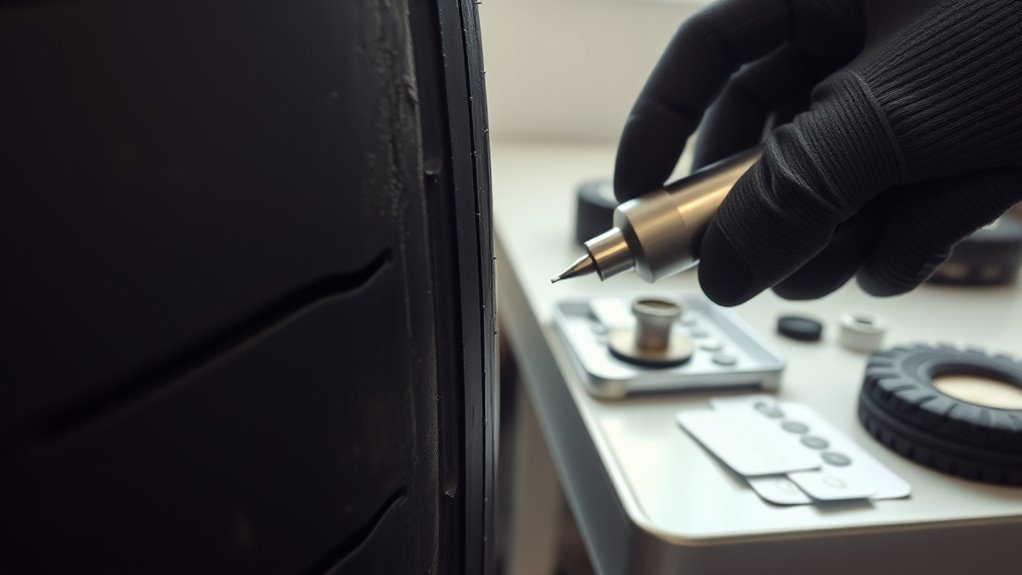
When you notice a tire issue, deciding whether to repair or replace can be confusing. Your first instinct might be to fix the problem quickly, but it’s crucial to consider how your choice impacts tire maintenance and, more importantly, your vehicle safety. Not all tire damages are created equal, and knowing when a simple repair suffices versus when a replacement is necessary can prevent accidents and save you money in the long run.
Small punctures in the tread area often qualify for a repair, especially if they are caused by nails or other small objects. In these cases, a plug or patch can restore the tire’s integrity, provided the damage is within a specific size limit—usually less than a quarter-inch in diameter. These repairs are quick, affordable, and minimally invasive, making them a popular choice for maintaining your tires. However, you should avoid repairing tires with sidewall punctures or damages near the shoulder, as these areas endure more stress and are less suitable for repairs. In such cases, a patch or plug won’t provide adequate reinforcement, compromising your vehicle safety.
Small tread punctures under a quarter-inch are repairable, but avoid sidewall damage for safety.
Deciding between a plug or patch depends on the damage’s location and size. A plug is inserted into the puncture from the outside, sealing the hole directly. While convenient, it’s generally considered a temporary fix and best suited for small, straightforward punctures. A patch, on the other hand, is applied to the inside of the tire, covering the puncture from within. This method offers a more reliable and durable repair, restoring the tire’s strength and maintaining proper tire maintenance standards. Sometimes, a combination of both—plugging the puncture and then applying a patch—provides the best reinforcement, especially for critical safety zones.
If the damage is extensive—such as large cuts, sidewall damage, or multiple punctures—repairing the tire isn’t advisable. In these situations, replacing the tire is the safest course of action. Relying on a damaged tire can lead to blowouts or loss of control, risking your safety and that of others on the road. When in doubt, consulting with a professional mechanic or tire specialist is the wise move; they can assess whether a repair will hold or if a replacement is necessary to keep your vehicle safe and your tire maintenance routine effective. Remember, timely decisions about tire repair or replacement are crucial for ideal vehicle safety and peace of mind while driving.
tire repair kit with plug and patch
As an affiliate, we earn on qualifying purchases.
As an affiliate, we earn on qualifying purchases.
Frequently Asked Questions
How Long Does a Tire Repair Typically Last?
A tire repair usually lasts between 6 months to 2 years, depending on the repair type and tire care. Properly patched or plugged tires tend to offer better repair durability and tire longevity, but defects or poor maintenance can shorten their lifespan. You should regularly check for signs of wear or damage, and replace your tire when repairs no longer guarantee safety or performance.
Can a Damaged Sidewall Be Repaired Safely?
You shouldn’t repair a damaged sidewall because sidewall safety is compromised, making repairs risky. The repair limitations are significant since the sidewall flexes and bears weight, which can worsen damage. For safety, it’s best to replace the tire if the sidewall is damaged. Attempting to patch or plug in this area isn’t reliable and could lead to sudden tire failure, endangering you on the road.
What Are the Costs Associated With Each Repair Option?
You’ll find that cost comparison varies for each repair option. Patching typically costs $10-$20, offering decent repair longevity but may not suit all damage types. Plugging is usually $5-$15, good for small punctures but less durable long-term. Boot repairs can cost $25-$50, providing a stronger fix but are more invasive. Calling it costs nothing but guarantees safety; skipping repairs can lead to costly tire replacements.
When Should I Replace My Tire Instead of Repairing It?
When your tire’s life span is nearing its end, it’s like a candle burning low—you should replace it rather than repair. If the damage is on the sidewall or tread, repair safety becomes compromised, risking blowouts. If your tire shows excessive wear or multiple repairs, it’s time to retire it. Prioritize tire longevity and safety—replacing a worn tire keeps your journey smooth and secure, avoiding unexpected breakdowns.
Are Temporary Fixes Reliable for Long-Term Driving?
Temporary fixes aren’t reliable for long-term driving because they lack durability and may fail unexpectedly. While they can get you home or to a repair shop, relying on them for regular use risks further damage or accidents. For long-term durability, it’s best to get a proper repair, like patching or replacing the tire. Always prioritize safety and avoid trusting temporary fixes for extended driving distances.
As an affiliate, we earn on qualifying purchases.
Conclusion
Knowing when to plug, patch, or use a boot can save you time and money, but your safety comes first. Did you know that nearly 60% of tire failures are caused by improper repairs? By understanding your options and choosing the right repair method, you prevent accidents and extend your tire’s lifespan. Always assess the damage carefully—don’t compromise on safety. When in doubt, consulting a professional guarantees you’re making the best choice for your vehicle and your peace of mind.
tire patch kit for inside repair
As an affiliate, we earn on qualifying purchases.
As an affiliate, we earn on qualifying purchases.
As an affiliate, we earn on qualifying purchases.
Back to school Picks
back to school
As an affiliate, we earn on qualifying purchases.