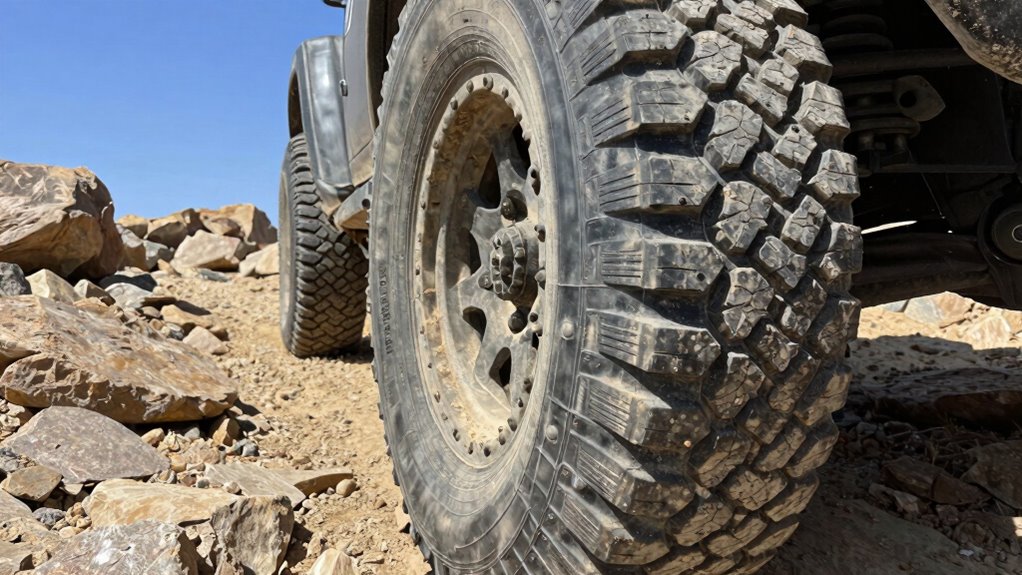
When rock crawling, you typically want to lower your tire pressure to around 10-15 psi for better traction. However, going too low can cause bead unseating, tire de-beading, or leaks, putting your safety at risk. Always check that your bead is properly seated before reducing pressure, and do so gradually while monitoring gauges. The right balance depends on terrain and vehicle. Keep these tips in mind to find the sweet spot—there’s more to discover below.
Open a free Amazon Business account
Business pricing, bulk buying and tax-exempt orders.
As an affiliate, we earn on qualifying purchases.
Key Takeaways
- Too low tire pressure risks bead unseating and tire de-beading, especially below 10-12 psi on most vehicles.
- Always verify proper bead seating before lowering pressure to prevent leaks during crawling.
- Common rock crawling pressures range from 10-15 psi; going lower increases risk of tire damage.
- Gradually decrease pressure while monitoring with a reliable gauge to avoid over-deflating.
- Adjust based on terrain, vehicle, and tire type, but avoid dropping pressure below manufacturer-recommended limits.
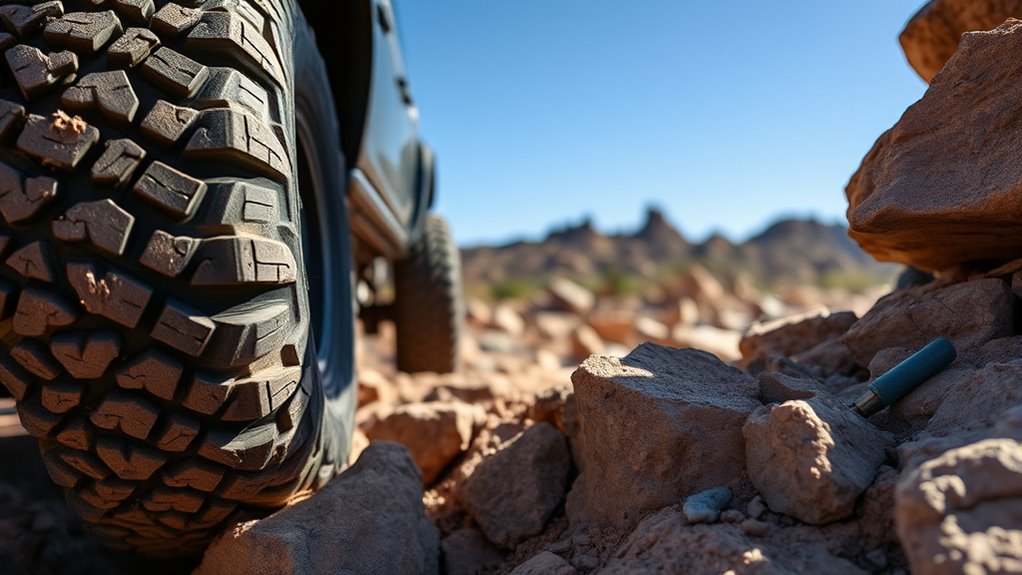
When rock crawling, adjusting your tire pressure is essential for maximizing traction and protecting your tires. Lowering your pressure helps your tires conform to uneven surfaces, giving you better grip on rocks and obstacles. But knowing how low to go isn’t just guesswork; it’s about balancing traction with safety. Before you start, make sure your tires are properly seated on the bead, a process called tire bead seating. This step guarantees that your tires hold air correctly and prevents bead leaks as you lower pressure. Regular pressure monitoring is vital during your crawl. Keep a reliable gauge handy to check your psi frequently, especially if you’re adjusting on the fly. Proper pressure monitoring helps you avoid going too low, which can lead to bead unseating or tire damage.
As you start to lower your tire pressure, remember that it’s not a one-size-fits-all approach. The terrain dictates your ideal pressure. For loose, rocky terrain, you might go as low as 10-15 psi, providing maximum grip. On more stable surfaces, slightly higher pressures, around 20-25 psi, might be safer while still improving traction. Always start at a higher pressure and gradually decrease, checking your pressure gauge often. This way, you avoid the risk of over-deflating, which can cause bead seating issues or even tire de-beading during an obstacle. Keep an eye on your pressure during the entire crawl, especially if you’re navigating steep inclines or sharp rocks, which can cause pressure fluctuations. Additionally, understanding proper bead seating techniques is crucial to ensure your tires stay secure throughout your crawl. When adjusting your tire pressure, remember that the tire bead seating is crucial. If your bead isn’t seated properly, you risk losing air unexpectedly or experiencing bead leaks. Before any serious crawling, test your tires by inflating to the recommended pressure, then deflate gradually while watching for bead seating and ensuring the tire maintains its seal. Once you’re confident your bead is seated properly, proceed with lowering your pressure, but do so cautiously. Invest in a good pressure monitoring system that displays real-time psi, so you’re always aware of how low your tires go. Over time, you’ll learn the sweet spot for your vehicle and terrain, but always prioritize tire bead seating and pressure monitoring to stay safe and optimize your rock crawling experience.

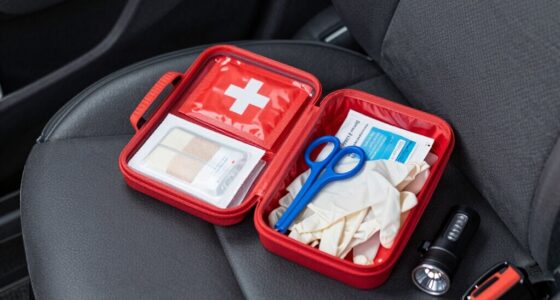
Premium First Aid Kit - 305 Piece Dual-Color Emergency Kit with Hard Shell & Fluorescent Interior Coating, Compact Survival Kit for Home, Car, Travel, Hiking & Outdoor (Pink/White)
- Dual-Tone Exterior: Vibrant, modern design for visibility
- 305-Piece Emergency Kit: Includes comprehensive first aid supplies
- Latex-Free Components: Safe for all users, compliant with safety standards
As an affiliate, we earn on qualifying purchases.
Frequently Asked Questions
How Does Ambient Temperature Affect Optimal Tire Pressure?
Ambient temperature considerably influences your tire pressure, causing fluctuations as temperatures change. When it’s colder, your tire pressure drops, so you need to adjust accordingly to maintain ideal grip and performance. Conversely, warmer temperatures increase pressure, so you might need to release some air. Use temperature adjustment strategies like regularly checking your tires and adjusting pressure based on weather conditions to prevent tire pressure fluctuations and guarantee safe rock crawling.
Can Low Tire Pressure Cause Long-Term Damage?
Yes, running your tires too low can cause long-term damage. When tire pressure drops, it increases sidewall flexing and risks damaging the tire bead integrity. Over time, this stress weakens the tire structure, leading to potential bead separation or sidewall bulges. Keep your pressure within recommended levels to protect your tires, ensuring they stay durable and safe for extended use.
What Are the Signs of Under-Inflated Tires During Crawling?
You’ll notice signs of under-inflated tires during crawling, like tire squeal and uneven wear. The squealing happens because the tires struggle for grip on rough surfaces, while uneven wear indicates insufficient pressure to evenly distribute force. If you see these signs, check your tire pressure. Maintaining proper pressure helps avoid damage and guarantees ideal traction. Always monitor your tires closely to prevent long-term issues and improve your crawling experience.
How Often Should Tire Pressure Be Checked During a Crawl?
Check your tire pressure regularly during a crawl, ideally every 15 to 20 minutes, to maintain tire pressure consistency and guarantee crawler safety. Frequent checks help you spot any drops early, preventing damage and maintaining ideal grip. Keep a reliable gauge handy and stay attentive to your tires’ performance. Consistent pressure checks keep your vehicle safe, improve control, and make sure you’re ready for whatever obstacles come your way.
Are There Specific Tire Pressures Recommended for Different Rock Types?
You should adjust your tire pressure based on the rock type to maximize tire grip. For softer rocks like sandstone, lower pressures improve traction, but avoid going too low to prevent bead damage. On harder surfaces like granite, higher pressures provide stability. Always tailor your tire pressure to the rock type you’re tackling, balancing grip and safety. Monitoring your tires regularly helps guarantee ideal performance during your crawl.

276PCS First Aid Kit Home Car Camping Hiking Emergency Supplies Small Compact Lovely Bag for School Outdoor, Basic Outdoor Essentials Survival Kit for Travel AMORNING
- Compact and Lightweight: 7.8 x 5.55 x 2.9 inches, 1 lb
- Water-Resistant EVA Material: Durable and portable design
- Versatile Emergency Storage: Fits in backpacks, cars, and cabinets
As an affiliate, we earn on qualifying purchases.
Conclusion
Remember, your tire pressure is like the heartbeat of your rock crawler—too high, and you miss the rhythm; too low, and you risk silence. Finding that perfect balance is your key to revealing the mountain’s secrets, turning obstacles into stepping stones. Trust your instincts and embrace the delicate dance of pressure, because in the end, it’s not just about tires—it’s about mastering the art of the climb. Let your tire pressure be your guiding star.
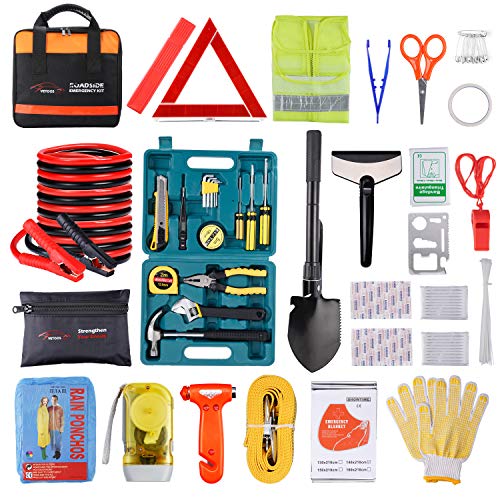
Vetoos Car Roadside Emergency Kit with Jumper Cables, Auto Vehicle Safety Road Side Assistance Kits, Winter Car Kit Essentials for Women and Men, with Car Repair Tool Set, Folding Survival Shovel
- Complete Emergency Supplies: Jumper cables, safety gear, and more
- Safe, PVC-Coated Jumper Cables: Protects against electrical shocks with strong grip
- Portable Survival Shovel: Multi-purpose, foldable, 16.5 inches
As an affiliate, we earn on qualifying purchases.

USANOOKS Microfiber Cleaning Cloth Grey - 12 Pcs (12.5"x12.5") - High Performance - 1200 Washes, Ultra Absorbent Microfiber Towel Weave Grime & Liquid for Streak-Free Mirror Shine - Car Washing Cloth
- High Absorbency Grip Root Weave: Locks in 8-10x weight in liquids
- Lint-Free and Scratch-Resistant: Ensures streak-free, mirror shine
- Durable for 1200+ Washes: Long-lasting reusable microfiber cloths
As an affiliate, we earn on qualifying purchases.
Baby shower & registry season Picks
baby registry must-haves
As an affiliate, we earn on qualifying purchases.